
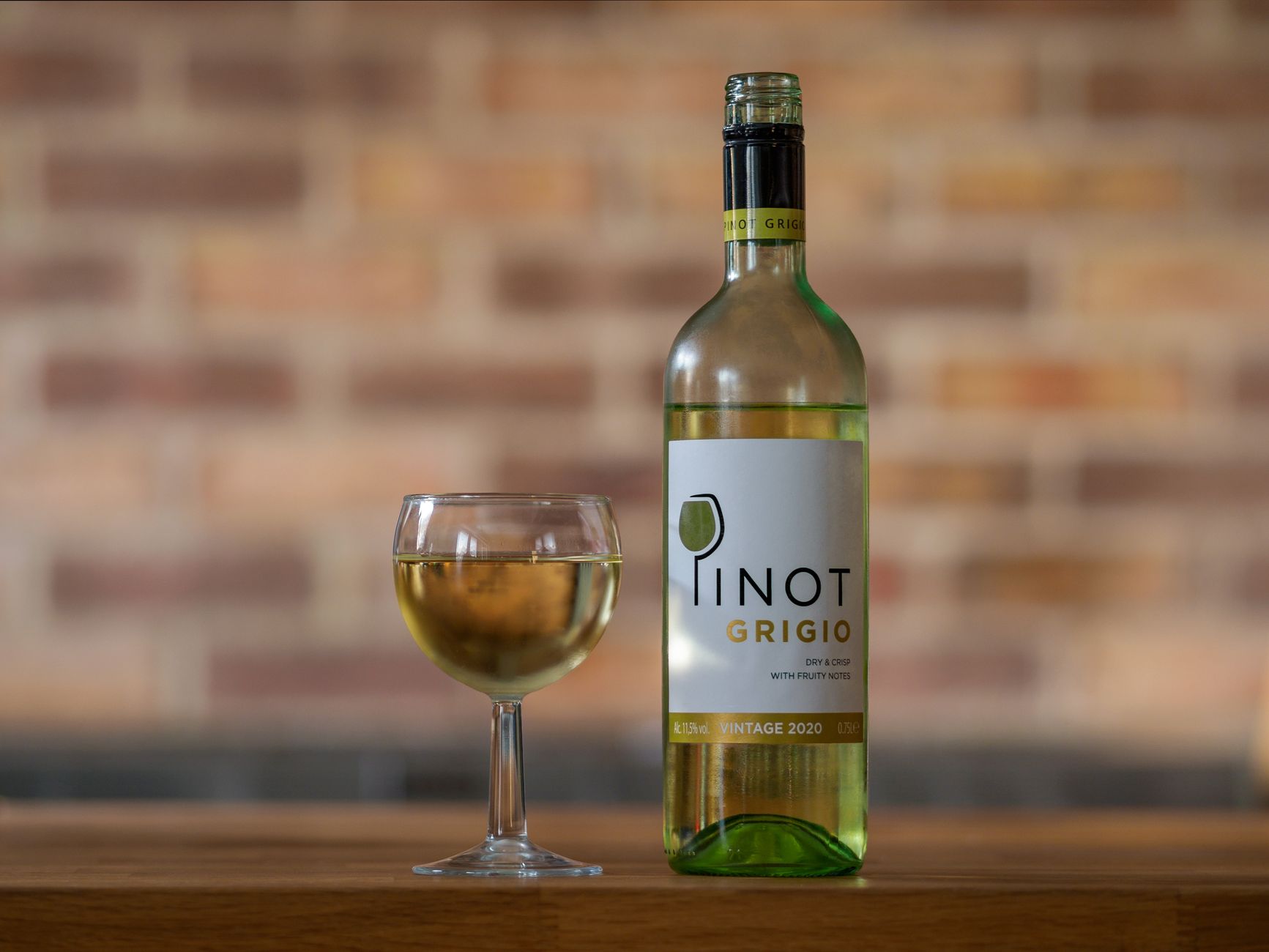
Storing white wine correctly is essential for preserving its flavor, aroma, and overall quality. Many wine enthusiasts may wonder: what temperature should white wine be stored at? Understanding this can help you enjoy your wine at its best, whether you’re a casual drinker or a serious collector.
In this article, we will explore the ideal storage temperatures for white wine, how to achieve the right conditions, and additional tips to enhance your wine experience. Let’s dive in!
What Temperature Should White Wine Be Stored At?
White wine should generally be stored at a temperature between 45°F to 65°F (7°C to 18°C), with the optimal range being around 50°F to 55°F (10°C to 13°C). This temperature range helps to maintain the wine’s balance and complexity over time.
Understanding the Importance of Storage Temperature
The storage temperature of white wine plays a crucial role in its aging process and how it performs once opened. Temperature affects the chemical reactions that occur in the wine, which can alter its taste, aroma, and texture.
Too high a temperature can lead to premature aging, where the wine develops undesirable flavors. Conversely, too low a temperature can mute the wine’s aromas and flavors, making it less enjoyable to drink. Therefore, storing white wine within the optimal temperature range is vital for preserving its quality.
The Ideal Temperature Range
As mentioned earlier, the best temperature to store white wine generally falls between 45°F to 65°F (7°C to 18°C). However, this range can vary slightly depending on the type of white wine:
- Full-bodied white wines
- Crisp, refreshing white wines
- Aromatic white wines
- Crisp, refreshing white wines
Where to Store White Wine
Finding the right place to store your white wine is just as important as maintaining the right temperature. Here are some options:
Wine Cellar or Wine Fridge
If you’re serious about wine, investing in a dedicated wine cellar or wine fridge is an excellent decision. These options allow you to set and maintain precise temperatures and humidity levels, ensuring optimal storage conditions. A wine fridge can be particularly handy if you lack space for a full cellar.
Pantry or Closet
For those without a dedicated wine storage solution, a cool, dark pantry or closet can work well. Be sure the area remains away from direct sunlight, heat sources, and fluctuating temperatures, such as near radiators or ovens.
Temperature Considerations for Shipping and Transport
If you ever transport wine, keep in mind the temperature fluctuations that can occur during shipping or movement. Aim to minimize the amount of time the wine spends in hot or cold environments, which can adversely affect its quality.
Maintaining Consistent Temperature
One of the challenges in keeping wine stored properly is ensuring that the temperature remains consistent. Here are some practical tips for achieving this:
- Avoid frequent temperature changes: Temperatures should remain stable and avoid fluctuations of more than a few degrees.
- Invest in temperature monitoring equipment: Devices such as thermometers or smart home sensors can help track your wine’s environment, ensuring consistent conditions.
- Choose insulated storage: If you’re using a wine fridge, ensure it’s well-insulated to minimize temperature changes.
Humidity and its Role in Wine Storage
While temperature is crucial, humidity is another factor to consider. White wine should be stored in an environment with around 50% to 70% relative humidity. Proper humidity prevents corks from drying out and allows them to maintain a good seal. If corks become too dry, air can enter the bottle, leading to oxidation.
Managing Humidity Levels
To manage humidity effectively, consider using a humidifier or placing a shallow dish of water in your storage area. Maintaining humidity can enhance the longevity of your wine.
Common Mistakes in White Wine Storage
Now that you understand the ideal temperature and conditions for white wine storage, let’s look at some common pitfalls to avoid:
- Storing wine in the refrigerator: While short-term storage is generally acceptable, long-term storage can negatively affect the cork and wine quality.
- Keeping wine upright: Always store wine bottles on their sides to keep the cork moist, unless it’s a screw-top bottle.
- Exposing wine to light: Light, especially UV light, can degrade the wine, imparting a “lightstruck” flavor that ruins its character.
How to Approach Serving Temperature
The temperature at which you serve white wine differs from storage temperature. Serving white wine at the right temperature enhances its flavors and aromas:
- Typically, serve white wines: Around 45°F to 50°F (7°C to 10°C) for crisp wines and 50°F to 55°F (10°C to 13°C) for fuller-bodied whites.
- Use a wine thermometer: If unsure, invest in a wine thermometer for guidance.
- Quick ways to cool wine: If you need to chill white wine quickly, submerging the bottle in ice water for about 15 minutes is more effective than ice alone.
Frequently Asked Questions
Can I store different types of white wine together?
Yes, you can store different types of white wine together as long as you maintain a consistent temperature and humidity level. Just keep in mind the ideal serving temperatures for each wine when serving later.
What happens if white wine is stored at a high temperature?
Storing white wine at high temperatures can cause it to age prematurely, developing off-flavors and losing its fresher qualities. Over time, it may spoil, ruining the drinking experience.
Is there a difference in storage temperature for sparkling white wines?
Sparkling white wines, like Champagne, are best stored slightly cooler, typically between 40°F to 50°F (4°C to 10°C). This helps preserve their effervescence and maintains their freshness.
Enhancing Your Wine Experience
Proper storage and serving temperature are just the beginning of your journey with white wine. Here are additional tips to enhance your wine drinking experience:
- Taste and learn: Experiment with different types of white wines to understand their unique characteristics.
- Pair with food: Pair your white wine with meals that highlight its qualities, such as light seafood dishes, salads, or creamy pastas.
- Explore regions: Different wine regions produce unique flavors based on terroir, the climate, and grape variety.
Conclusion
Understanding how to store white wine correctly is essential for maintaining its quality. By keeping wine in the ideal temperature range of 45°F to 65°F (7°C to 18°C) and ensuring humidity levels are adequate, you can enhance your wine experience. This investment in proper storage not only boosts your enjoyment but also preserves the intricate flavors and aromas that make white wine so pleasurable.
For further exploration of delightful recipes, cooking tips, or food guides, stay tuned for more exciting content! cada.cc/cora, finafood.com/healthy-snacks, or check out seasonal recipes or meal-prep tips to keep your culinary ventures fresh.