
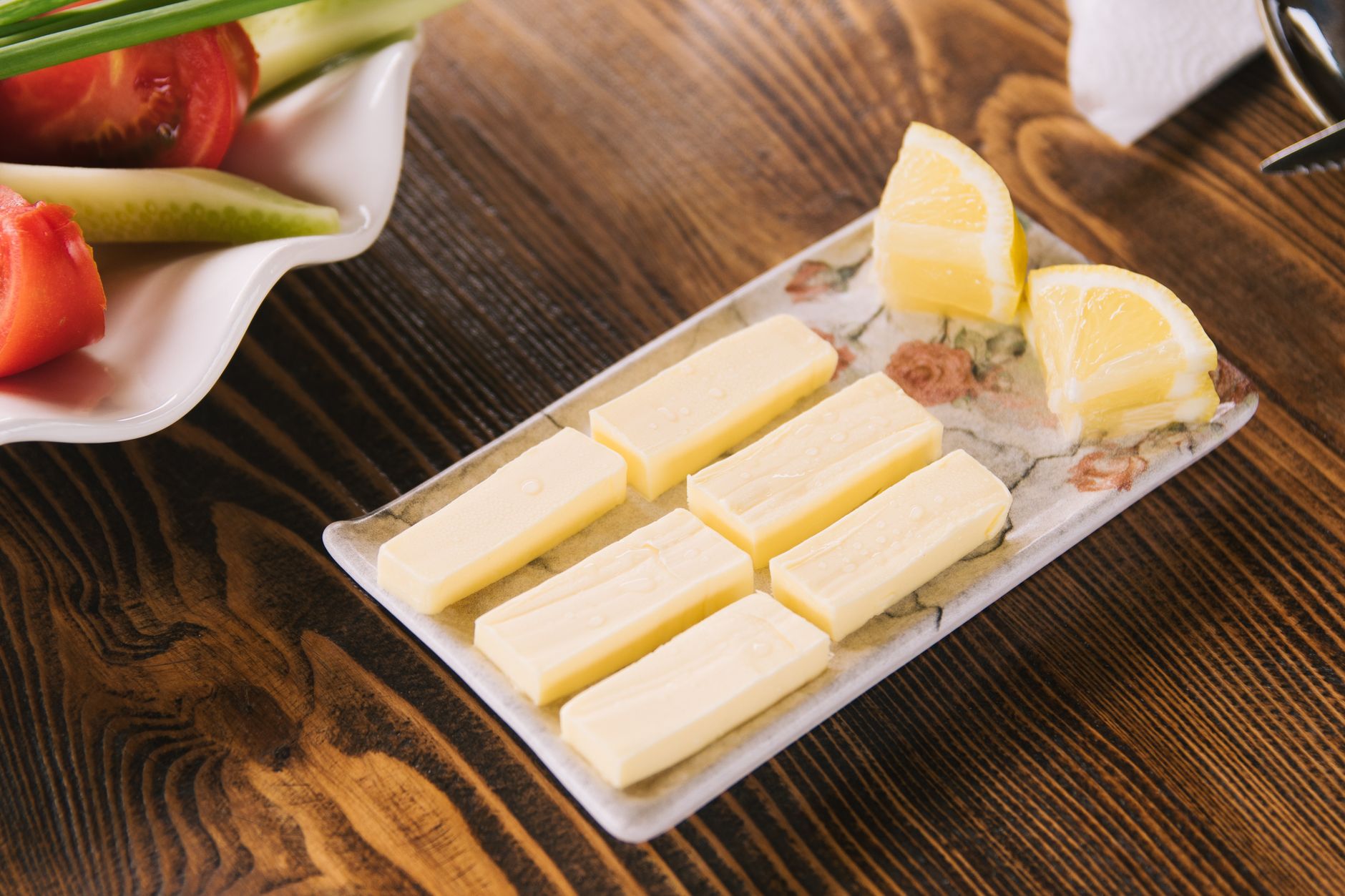
Understanding the measurements in cooking is crucial for successful results, especially when it comes to baking and preparing rich dishes. One common ingredient that often leads to confusion is butter, specifically when discussing how many ounces are in a stick of butter.
This article will clarify the amount of butter in a standard stick, provide useful conversions, and share tips on how to accurately measure butter in your recipes.
How Many Ounces in a Stick of Butter?
A standard stick of butter in the United States weighs 4 ounces. Butter is typically sold in these pre-measured sticks, making it easier to incorporate into recipes without the need for weighing.
In addition to the 4-ounce sticks, butter is also available in pounds, where one pound contains four sticks of butter, totaling 16 ounces. Knowing these measurements can simplify meal preparation and ensure your recipes turn out as expected.
Butter Measurements and Conversions
When dealing with butter in your cooking or baking, it is essential to understand how to convert butter from sticks to ounces, cups, and other measurements. Here are some practical conversions:
- 1 stick of butter = 4 ounces
- 1 stick of butter = ½ cup
- 1 pound of butter = 16 ounces = 2 cups
These measurements are convenient since many recipes will specify butter in sticks, making it easy to determine how much you need for your dish without any complicated calculations.
How to Measure Butter Accurately
While a stick of butter comes pre-measured, there are times when you may need to use different amounts. Here’s a simple method for measuring butter accurately:
- Start with a stick of butter and check the markings on the wrapper. Each stick typically has 8 tablespoons, which makes it easy to cut based on your needs.
- If your recipe calls for a specific measurement in ounces or cups, use a sharp knife to cut the butter at the indicated markings. For example, half a stick equals 2 ounces or ¼ cup.
- For recipes requiring room-temperature butter, let it sit out for about 30 minutes before you begin mixing, ensuring it’s soft but not melted.
Types of Butter and Their Uses
Butter comes in various types, each offering different flavors and fat content. Understanding these varieties can help you choose the right one for your recipes:
- Unsalted Butter: This is the most commonly used butter in baking and cooking. It allows for better control over the salt content in your dishes.
- Salted Butter: Often used for spreading on bread and in recipes where you don’t need precise control over the salt content, like in sauces.
- European Butter: This higher-fat butter has a richer flavor and creamier texture. It can enhance the taste of baked goods significantly.
- Clarified Butter: This is butter that has had its milk solids removed. It has a higher smoke point, making it ideal for frying and sautéing.
Unsalted vs. Salted Butter
When choosing between salted and unsalted butter, consider the following:
- Recipes often specify unsalted butter for precision in flavor, especially in baking.
- Salted butter can result in variations in the final taste if the recipe doesn’t account for added salt.
- In a pinch, you can use salted butter in place of unsalted by reducing the additional salt in the recipe.
Practical Substitutions for Butter
If you’re out of butter or looking to make dietary adjustments, several substitutes can act as suitable alternatives:
- Margarine: A direct 1:1 substitution for butter, though the flavor may differ.
- Coconut Oil: A plant-based option that’s best for recipes where a slight coconut flavor would be welcoming. Use an equal amount.
- Applesauce: For baking purposes, applesauce can substitute butter to reduce fat. Use half the amount of applesauce compared to butter.
- Vegetable Oil: Use ¾ the amount of oil compared to the butter required if you need a liquid fat.
Cooking Tips with Butter
Here are some cooking tips to help you make the most of butter in your recipes:
- Soften Butter Quickly: If you forget to pull butter out ahead of time, cut it into small cubes to soften it more quickly. You can also use the microwave on low power for a few seconds, but be cautious not to melt it.
- Brown Butter: Cook butter in a saucepan until it turns a golden brown color and develops a nutty flavor. This adds depth to sauces and baked goods.
- Cooling Butter: If melted butter is needed, allow it to cool slightly before mixing with other ingredients to avoid cooking eggs or other components in your mixture.
Understanding how to use butter in your cooking will greatly impact the overall success of your dishes. With accurate measurements and a good grasp of butter substitutes, your culinary adventures can continue without hiccups.
Common Mistakes with Butter
While butter is a straightforward ingredient, certain mistakes can occur during cooking and baking:
- Using Cold Butter: For baked goods that require creaming (like cookies and cakes), starting with cold butter can result in dense textures. Always ensure your butter is at room temperature.
- Not Measuring Properly: Misjudging the amount of butter can lead to undesirable results in recipes. Use a dedicated measuring cup for accuracy.
- Using the Wrong Type of Butter: Certain recipes require specific types of butter. When in doubt, refer to your recipe.
Storing Butter Properly
Proper storage of butter can help maintain its quality and prevent spoilage:
- Refrigeration: Keep opened butter wrapped tightly in the refrigerator to maintain freshness. It can last for several months when stored this way.
- Freezing: Butter can be frozen for extended periods. Wrap it securely and label with the date. It can be thawed in the fridge before use.
- Room Temperature: If you want softened butter readily available for spreading, you can keep a small amount at room temperature for a couple of days.
Recipe Ideas Featuring Butter
Here are a few popular recipes that showcase the delicious flavor and versatility of butter:
- Butter Swim Biscuits – These flaky biscuits are enriched with butter for a delightful texture.
- Homemade Clarified Butter – Learn how to make your own clarified butter, perfect for high-heat cooking.
When planning your meals, consider the role of butter in various culinary traditions. It can elevate flavors and textures across a wide range of dishes.
Conclusion
In summary, a stick of butter equals 4 ounces, a measurement that simplifies its use in recipes. Understanding how to measure, store, substitute, and utilize butter can enhance your cooking experience significantly. Embrace the rich flavor of butter in your culinary creations while keeping these tips in mind.
Explore more related recipes, cooking tips, and food guides to enhance your culinary skills and knowledge.