
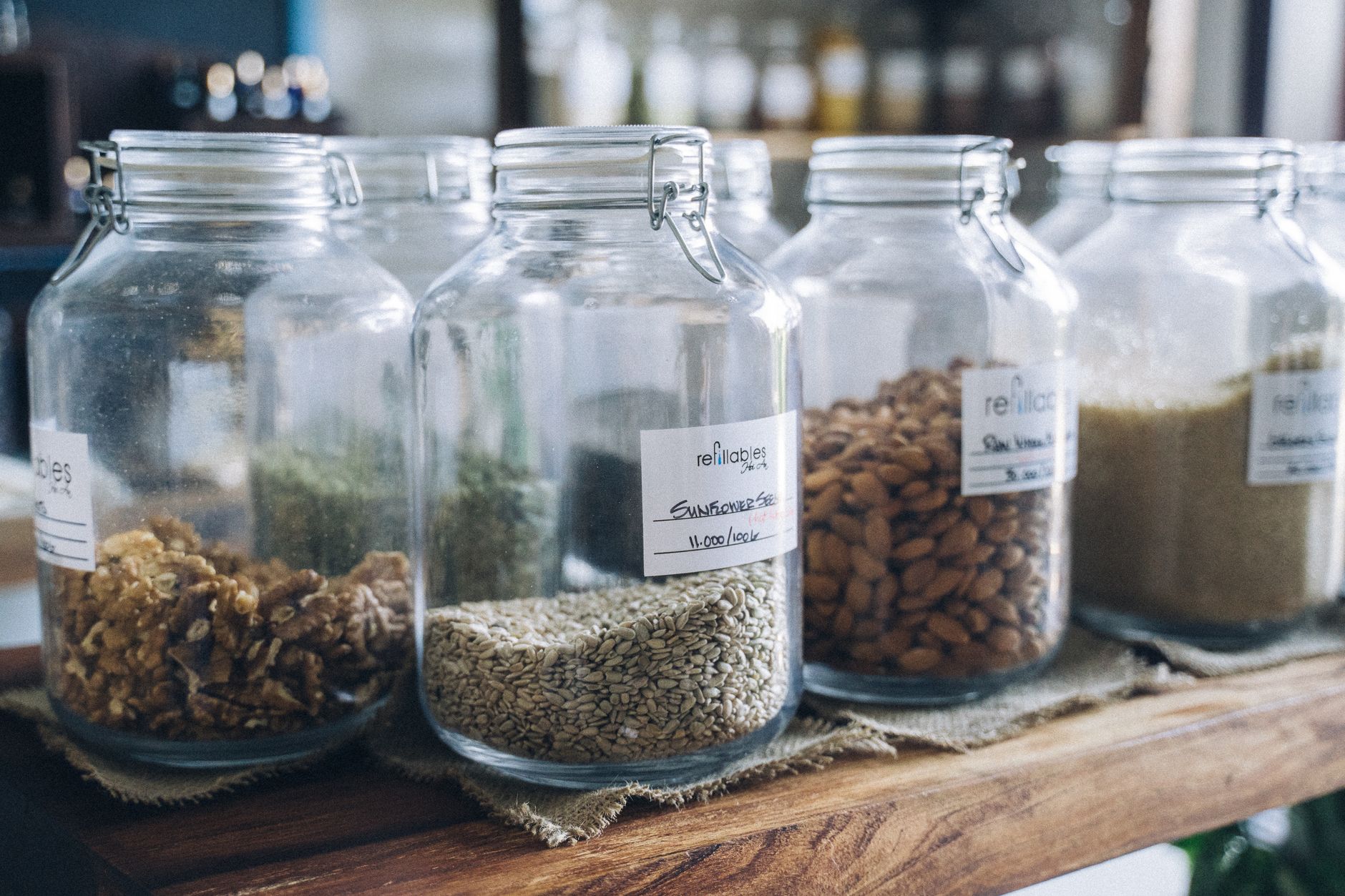
Sunflower seeds are a popular snack known for their crunchy texture and nutty flavor. Packed with essential nutrients, they are often enjoyed raw, roasted, or as an ingredient in various dishes. However, knowing how long sunflower seeds remain good for is important for both their flavor and safety.
In this article, we will explore the shelf life of sunflower seeds, how to store them properly, and tips for maintaining their freshness. Understanding these aspects will help you make the most of this nutritious snack.
How Long Are Sunflower Seeds Good For?
The freshness of sunflower seeds depends on several factors, including storage conditions and whether they are raw or roasted. Typically, sunflower seeds can be stored for:
- Raw sunflower seeds: About 6 to 12 months when stored properly.
- Roasted sunflower seeds: Approximately 3 to 6 months for optimal quality.
- Sunflower seed butter: About 3 to 6 months in the pantry and up to 12 months in the refrigerator.
These timeframes refer to the seeds’ peak quality rather than food safety; however, quality may decrease over time, leading to a stale taste.
Nutritional Facts of Sunflower Seeds
Sunflower seeds are not only delicious but also packed with impressive nutritional benefits. A one-ounce (28 grams) serving of roasted sunflower seeds contains:
- Calories: 164
- Protein: 6 grams
- Fat: 14 grams (primarily healthy fats)
- Carbohydrates: 6 grams
- Fiber: 2 grams
- Sugars: 1 gram
- Vitamin E: 10% of the Daily Value (DV)
- Magnesium: 10% of the DV
- Selenium: 32% of the DV
This nutrient-rich profile includes antioxidants, healthy fats, vitamins, and minerals, making sunflower seeds a great addition to your diet.
Signs That Sunflower Seeds Have Gone Bad
While sunflower seeds can last for months, it’s essential to check for signs of spoilage. Here are some indicators that your sunflower seeds may have gone bad:
- Odor: Fresh sunflower seeds have a nutty aroma. If they smell rancid or off, it’s best to discard them.
- Flavor: If the seeds taste bitter or sour, they may have expired.
- Appearance: Look for any discoloration or mold. If the seeds appear stale or have an unusual texture, they should not be consumed.
Proper Storage Methods for Sunflower Seeds
Storing sunflower seeds properly is crucial to prolong their shelf life. Here are effective storage methods:
1. Pantry Storage
For short-term storage, sunflower seeds can be kept in a cool, dark pantry. Make sure to:
- Use an airtight container to protect them from moisture and air exposure.
- Store them in a dark place away from direct sunlight and heat.
2. Refrigeration
If you plan to store sunflower seeds for an extended period, consider refrigeration:
- Place the seeds in a resealable plastic bag or an airtight container.
- The refrigerator’s cooler environment helps maintain freshness for a longer time.
3. Freezing
For the longest shelf life, you can freeze sunflower seeds:
- Use a freezer-safe container or vacuum seal them to prevent freezer burn.
- Frozen sunflower seeds can last up to 12 months.
How to Use Sunflower Seeds in Cooking
Sunflower seeds are versatile and can be incorporated into various dishes. Here are some popular ways to use them:
1. Snacking
Enjoy sunflower seeds as a healthy snack on their own or add them to trail mix for a satisfying crunch.
2. Salads
Add sunflower seeds to salads for extra texture and a nutritious boost. They complement greens, fruits, and dressings wonderfully.
3. Baked Goods
Incorporate sunflower seeds into muffins, bread, or granola bars for added flavor and nutrition.
4. Sunflower Seed Butter
Make homemade sunflower seed butter by blending roasted sunflower seeds until smooth. Use it as a spread or in smoothies.
Practical Substitutions for Sunflower Seeds
If you can’t find sunflower seeds or want to switch things up, consider these nutritious alternatives:
- Pumpkin seeds: Similar in texture and flavor, providing vital nutrients.
- Sesame seeds: Smaller but full of healthy fats and protein.
- Nuts: Almonds, walnuts, or pecans give a crunchy texture and are rich in healthy fats.
Common Mistakes When Using Sunflower Seeds
When incorporating sunflower seeds into your meals, avoid these pitfalls:
- Over-roasting: Watch closely while roasting to prevent burning, which affects flavor.
- Neglecting storage: Storing improperly can lead to spoilage and loss of flavor.
- Ignoring expiration dates: Always check for freshness before use.
Meal Planning with Sunflower Seeds
Incorporating sunflower seeds into your meal plan can add variety and nutrients. Here are some ideas:
Breakfast
- Overnight Oats: Mix rolled oats with yogurt, almond milk, and sunflower seeds. Let sit overnight and enjoy a quick breakfast.
- Smoothie Bowl: Blend your favorite fruits with spinach or kale, and top with sunflower seeds for texture.
Lunch
- Salad Bowl: Combine mixed greens, cherry tomatoes, cucumbers, and sprinkle sunflower seeds on top for a protein boost.
- Wraps: Fill whole-grain wraps with hummus, veggies, and a handful of sunflower seeds.
Dinner
- Stir-fries: Add sunflower seeds to vegetable stir-fries for added crunch and nutrition.
- Grain Bowls: Top cooked quinoa or brown rice with roasted vegetables and sunflower seeds.
Conclusion: Enjoying Sunflower Seeds Safely
Understanding how long sunflower seeds are good for, coupled with proper storage and usage practices, enables you to enjoy this tasty snack for longer. Whether using them in baking, salads, or as a nutritious snack, sunflower seeds offer countless possibilities.
For additional insights on food storage and nutrition, explore our guides on how long cottage cheese lasts after opening and the shelf life of chia seeds. Your journey towards being a food-savvy home chef starts now!