
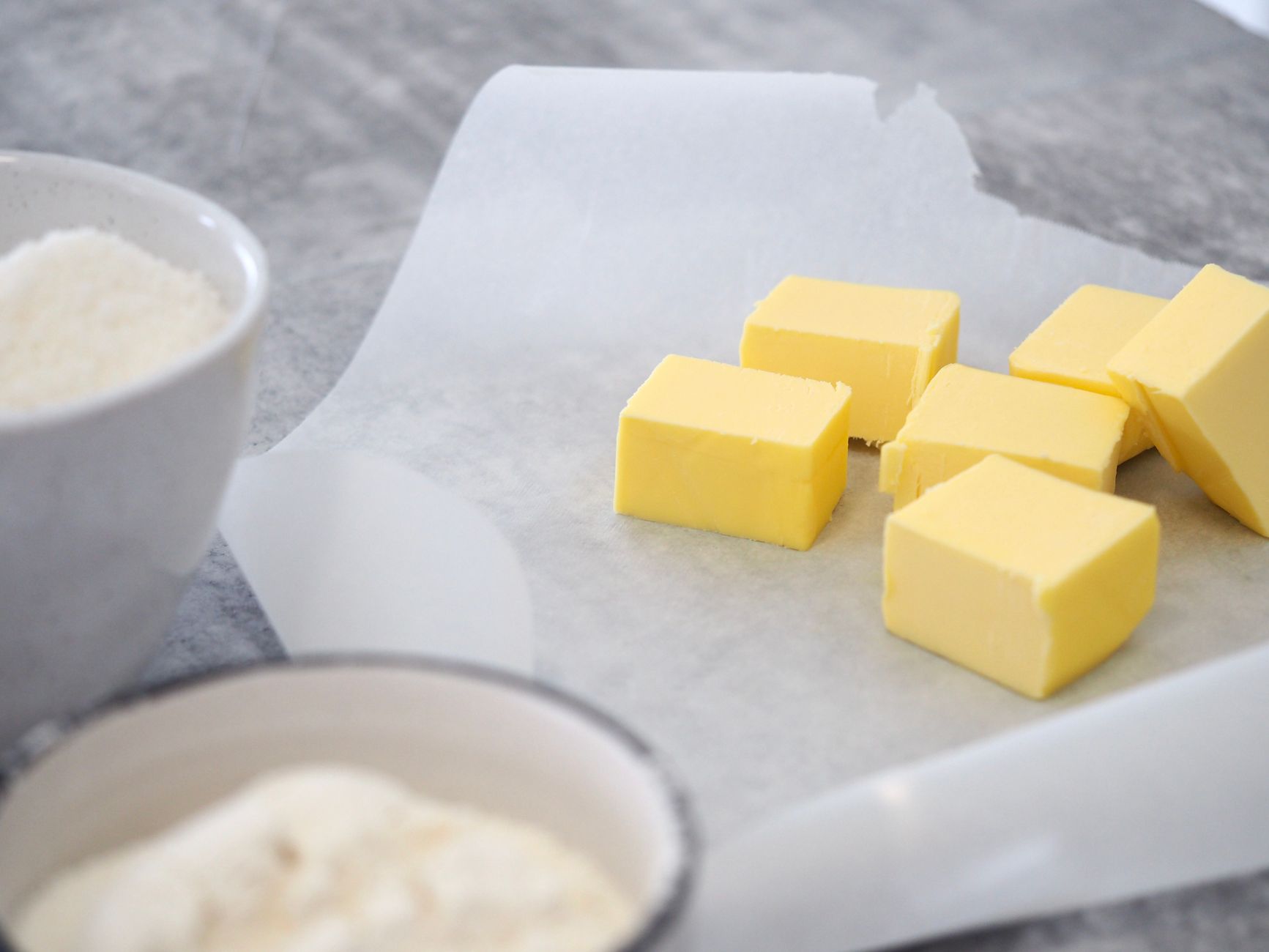
Butter is a versatile ingredient often used in cooking, baking, and topping. However, knowing how to store butter properly, especially when it comes to freezing it, can significantly extend its life. In this article, we’ll explore how long frozen butter lasts, the best practices for freezing it, and tips for thawing and using it.
Understanding the storage life of butter can help you minimize waste and ensure you always have butter on hand when you need it. We will also cover the types of butter, signs of spoilage, and some common uses for frozen butter. Let’s dive in!
How Long Does Frozen Butter Last?
Frozen butter can last for up to six to nine months when stored properly. However, while it remains safe to eat beyond this time frame, its quality and flavor may start to degrade. Properly wrapping and sealing butter is crucial for preventing freezer burn and preserving taste.
The Science Behind Freezing Butter
Freezing is an effective way to preserve food by slowing down the growth of microorganisms that cause spoilage. Butter is a dairy product composed of milk fat, water, and proteins, which can all react differently in frozen conditions.
When butter is frozen, the water content can form ice crystals, which may affect its texture once thawed. This is why proper packaging is essential, as it helps maintain the quality and prevents freezer burn, which results in a change of flavor and texture.
Types of Butter and Their Freezing Capacity
It’s important to note that different types of butter can have slightly different freezing properties. Here’s a look at the main varieties:
- Unsalted Butter: The most common type used in baking and cooking, unsalted butter can be frozen for up to nine months without significant loss of flavor.
- Salted Butter: Salted butter adds flavor and acts as a preservative. It can last for about a year in the freezer but may slightly alter the taste of some dishes due to its salt content.
- Whipped Butter: Whipped butter is aerated, making it lighter but also altering the fat content. While it can be frozen, it may not maintain its mouthfeel and can become grainy when thawed.
- Organic & Specialty Butters: These types of butter often have added ingredients (like herbs or spices) that may not freeze as well. The general rule of thumb is to follow the six- to nine-month timeframe for optimal quality.
How to Freeze Butter Properly
Freezing butter requires some straightforward steps to ensure it retains its flavor and texture. Here’s how to do it correctly:
- Choose Quality Butter: Start with fresh butter. Check the expiry date and choose a reputable brand.
- Cut into Manageable Portions: It’s often easier to freeze butter in smaller portions, such as sticks or cubed sizes. This way, you can thaw only what you need.
- Wrap Tightly: Wrap the butter in plastic wrap, ensuring it’s tightly sealed. This first layer is your primary defense against freezer burn.
- Use an Airtight Container: Place the wrapped butter in an airtight container or freezer bag. Squeeze out excess air before sealing it to maintain the best quality.
- Label and Date: It’s good practice to label your butter packages with the date frozen. This helps you keep track of how long they’ve been stored.
Thawing Frozen Butter
Once you are ready to use your frozen butter, proper thawing is essential to restore its texture and flavor. Here are some methods to thaw butter safely:
- Refrigerator Method: The best way to thaw butter is to transfer it to the refrigerator for several hours or overnight. This slow thawing helps maintain the butter’s texture.
- Room Temperature Method: If you need butter quickly, leave the wrapped butter out at room temperature for about 30-60 minutes, depending on the amount.
- Microwave Method: Place the butter on a microwave-safe dish and use the defrost setting in short bursts, checking every 10 seconds to prevent melting.
Using Frozen Butter in Cooking and Baking
Frozen butter can be a valuable ingredient in various recipes, from baking to cooking. Here are some tips on how to use it effectively:
- Baking: For baking recipes where the texture of the butter is crucial (like cookies or pie crusts), it’s best to use cold or slightly softened butter. You can grate the frozen butter for easier incorporation.
- Sauces: In recipes that call for melted butter, frozen butter can be directly added to the sauce or dish. It will melt down just as fresh butter would.
- Buttery Toppings: When using frozen butter for topping dishes, such as vegetables or bread, let it thaw until spreadable consistency is reached.
Signs of Spoiled Frozen Butter
Even in the freezer, butter can spoil if it’s not stored properly. Here are some signs to look for:
- Off Odor: If the butter smells rancid or has developed an off-putting odor, it’s best to discard it.
- Change in Color: Butter should be a consistent yellow or pale white. Any darkening, striations, or discoloration might indicate spoilage.
- Freezer Burn: If you notice dry, white spots on the surface, that’s freezer burn. Although it’s not harmful, it can impact flavor and texture, making it less enjoyable to eat.
Common Mistakes When Freezing Butter
Here are some pitfalls to avoid when freezing butter:
- Not Wrapping Properly: Skipping the wrapping step allows air to reach the butter, leading to freezer burn.
- Forgetting to Label: Not labeling can lead to confusion about how old the butter is, which can result in using expired products.
- Thawing Incorrectly: Using high heat to thaw butter can alter its structure and lead to uneven melting. Stick to the recommended methods for best results.
How to Store Butter in the Fridge vs. Freezer
While freezing is an excellent long-term storage solution, it’s also possible to store butter in the fridge. Here’s a comparison of how long butter lasts in both settings:
| Storage Method | Duration |
|---|---|
| Refrigerator | 1-3 months |
| Freezer | 6-9 months |
For short-term use, store butter wrapped well in the refrigerator. If you purchase in bulk, consider freezing the extra portions for convenience.
Practical Substitutions for Butter in Recipes
If you run out of butter or want to try alternatives, here are some dependable substitutes:
- Margarine: A common butter replacement, margarine can be swapped using a 1:1 ratio in most recipes, although it may alter flavor slightly.
- Coconut Oil: In baking, coconut oil can often substitute butter. Use a 1:1 ratio, but know that it will add a coconut flavor.
- Applesauce: For baking, replace half the butter with applesauce to reduce fat content and add moisture. Use ½ cup applesauce for every cup of butter.
- Greek Yogurt: Great for adding moisture to baked goods while cutting down on fat. Replace 1 cup of butter with ¾ cup Greek yogurt.
Creative Uses for Frozen Butter
While baking is the most common use for butter, frozen butter can also enhance various dishes in unique ways:
- Flavoring Grains: While cooking rice or quinoa, adding a few tablespoons of frozen butter can enrich the flavor.
- Sauteing Vegetables: Toss frozen butter directly into the pan when sautéing vegetables for a rich, velvety finish.
- Compound Butters: Blend herbs or spices into softened frozen butter (once thawed) to create compound butter spreads for meats and bread.
Conclusion
Freezing butter is an excellent way to extend its shelf life while ensuring you always have this essential ingredient on hand. By following proper freezing and thawing techniques, you can safeguard its flavor and texture for months. Use the tips shared here to master the art of butter storage and get creative in the kitchen. Happy cooking!
For more kitchen tips, explore guides on how to store banana bread or learn about whether chia seeds go bad. Stay informed and make the most out of your pantry!