
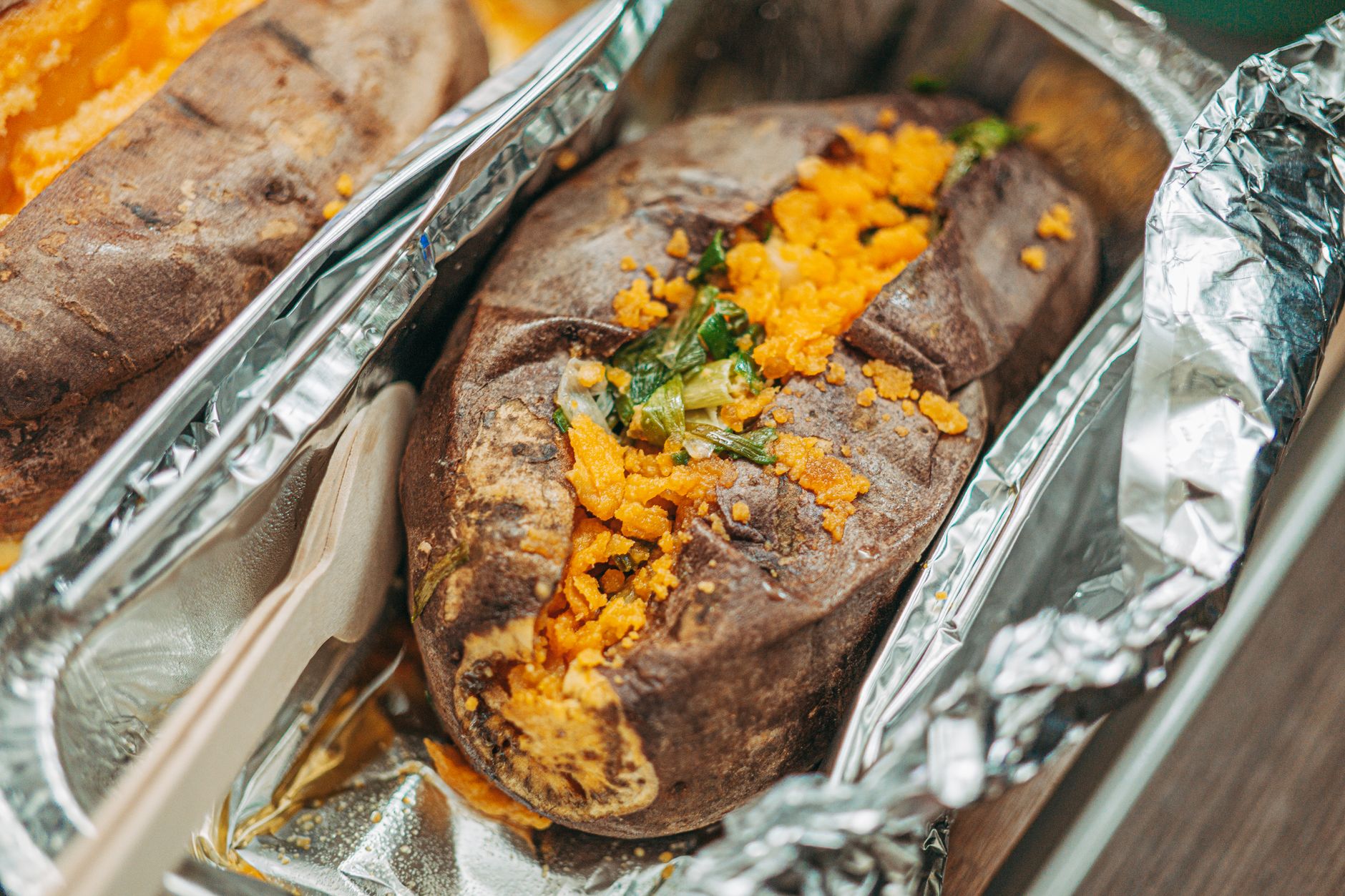
Baking potatoes is a straightforward and gratifying culinary endeavor that can yield deliciously fluffy insides with crispy, flavorful skins. However, understanding what temperature to bake potatoes at is crucial in achieving that perfect texture and flavor. This guide will explore everything you need to know about baking potatoes, including the best temperatures, cooking times, and tips to perfect this classic dish.
Whether preparing a simple side dish, a hearty meal, or a tasty snack, potatoes are a versatile ingredient that can complement nearly any cuisine. In this article, we’ll dive into the details of baking potatoes to ensure your next batch turns out perfectly every time.
What Temperature Do You Bake Potatoes On?
The recommended temperature for baking potatoes is between 400°F and 450°F (204°C to 232°C). At this range, potatoes cook thoroughly and develop a crispy skin while remaining tender inside. The choice of temperature can slightly impact the cooking time and texture of the potato, so understanding these nuances can be beneficial.
The Science Behind Baking Potatoes
Baking potatoes involves the Maillard reaction, where higher temperatures caramelize the sugars in the potato’s skin, leading to a crispy exterior. The heat facilitates steam building up within the potato, producing a light and fluffy texture.
Choosing the right potato variety, such as Russet or Yukon Gold, will also affect the outcome, as different types have varying levels of starch and moisture content. Russets are best for baking due to their high starch content, which results in a drier, fluffier interior.
Choosing Your Potatoes
Before you even consider the temperature, selecting the right type of potato is essential. Here’s a brief overview of popular potato types:
- Russet Potatoes: High in starch, great for baking, yielding a fluffy texture.
- Yukon Gold Potatoes: Creamy and buttery flavor; can be baked, though they have a waxier texture.
- Red Potatoes: Waxy and firm, best for boiling or roasting, but can also make a good baked potato if you prefer a denser texture.
Preparing Your Potatoes for Baking
Before baking, proper preparation ensures a better outcome. Follow these steps to prepare your potatoes:
- Wash the Potatoes: Rinse them under cold water to remove dirt. Use a scrub brush if necessary.
- Poke Holes: Use a fork to poke several holes in each potato. This allows steam to escape during baking, preventing them from exploding.
- Seasoning (Optional): For added flavor, lightly coat the skins with olive oil and sprinkle with coarse salt.
How Long to Bake Potatoes
The cooking time for potatoes can vary based on their size and the temperature at which you bake them:
- At 400°F (204°C): 45-60 minutes
- At 425°F (218°C): 40-50 minutes
- At 450°F (232°C): 35-45 minutes
As a general rule, a medium-sized potato (about 5-7 ounces) will usually take around 45-60 minutes at 400°F. Larger potatoes may need additional time, while smaller potatoes may require less.
Step-by-Step Baking Instructions
Here’s a straightforward step-by-step guide to baking potatoes:
- Preheat your oven to 400°F (204°C) or your desired temperature between 400°F and 450°F.
- Wash and prepare your potatoes as outlined above.
- Place the potatoes directly on the oven rack or on a baking sheet. If using a baking sheet, line it with parchment paper for easier cleanup.
- Bake until the skin is crispy and a fork easily pierces the potato, indicating that it’s done.
- Remove from the oven and let them cool slightly before serving or handling. Cut the potatoes open and fluff the insides with a fork.
Troubleshooting Common Baking Issues
Even with the right temperature and preparation, issues can still arise. Here are some common problems and how to fix them:
- Undercooked Potatoes: If after the prescribed time the potatoes are still firm, return them to the oven and check every 5-10 minutes until tender.
- Overcooked Potatoes: If the insides are mushy, this may indicate that the cooking time was too long. Consider a shorter cooking time next time and check for doneness accordingly.
- Soggy Skin: This can occur if the oven is too low or if potatoes are wrapped tightly in foil. Baking directly on the rack without foil allows steam to escape and promotes crispy skin.
Serving Suggestions for Baked Potatoes
Baked potatoes are incredibly versatile and can be served with a variety of toppings:
- Classic Butter and Salt: A simple yet delicious option.
- Sour Cream and Chives: Adds a creamy texture with a fresh flavor.
- Cheddar Cheese and Bacon Bits: For a hearty and indulgent treat.
- Broccoli and Cheese Sauce: A great way to add vegetables to your meal.
- Chili: A satisfying topping that can turn your potato into a complete meal.
Encourage creativity with your toppings, ranging from various cheeses, herbs, and spices to leftover meats or vegetables from previous meals.
Make-Ahead and Storage Tips
If you want to meal prep baked potatoes, you can store them after baking:
- Refrigerator Storage: Place cooled baked potatoes in an airtight container. They can last up to 3-5 days in the refrigerator.
- Freezing: While it’s possible to freeze baked potatoes, the texture may change. Wrap each potato tightly in foil or plastic wrap, then place in a freezer bag. Use within 3 months for the best quality.
To reheat, placing them back in the oven is the best method. Reheat at 350°F (177°C) for about 20-30 minutes until warmed through. You can also microwave the baked potato for faster reheating, though this may result in softer skin.
Additional Cooking Methods for Potatoes
While baking is a popular cooking method for potatoes, there are other methods you might consider:
- Boiling: Great for making mashed potatoes. Boil until tender, then mash with butter and cream.
- Roasting: Cut into wedges or cubes and roast with olive oil and seasonings in the oven.
- Grilling: Wrap in foil and grill on indirect heat for a smoky flavor.
- Microwaving: A quick method. Cook on high for about 5-10 minutes, depending on size.
Variations on Baked Potatoes
Experimenting with different types and methods can yield exciting results. Consider the following variations:
- Twice-Baked Potatoes: Bake, scoop out, mix ins, and return to the oven until golden.
- Stuffed Potatoes: Fill with anything from beans to sautéed vegetables for a nutritious meal.
- Dressed-Up Skins: After baking, scoop out the insides, mix with toppings, and rebake for crispy skins.
Common Mistakes When Baking Potatoes
Avoiding common pitfalls can make your baked potatoes taste even better:
- Skipping the Poking: If you don’t poke holes, the steam buildup can cause explosions in the oven.
- Baking Without Oil or Salt: These enhance flavor and contribute to a crispy skin.
- Wrapping in Foil:** While tempting, wrapping them can lead to damp and soft skin. Bake them directly on the oven rack instead.
Final Thoughts
Baking potatoes is an accessible and rewarding cooking technique that allows for creativity and customization. Whether you choose to bake at 400°F or higher, the key is to monitor cooking times and adjust according to your specific preferences.
Now that you have a comprehensive understanding of how to bake potatoes, it’s time to put your knowledge into practice. By experimenting with temperatures, toppings, and meal preparations, you can create an endless array of delicious baked potato dishes.
If you’re looking for other delicious dishes to accompany your baked potatoes, explore how to make baked chicken legs or boneless pork chops. Happy cooking!