
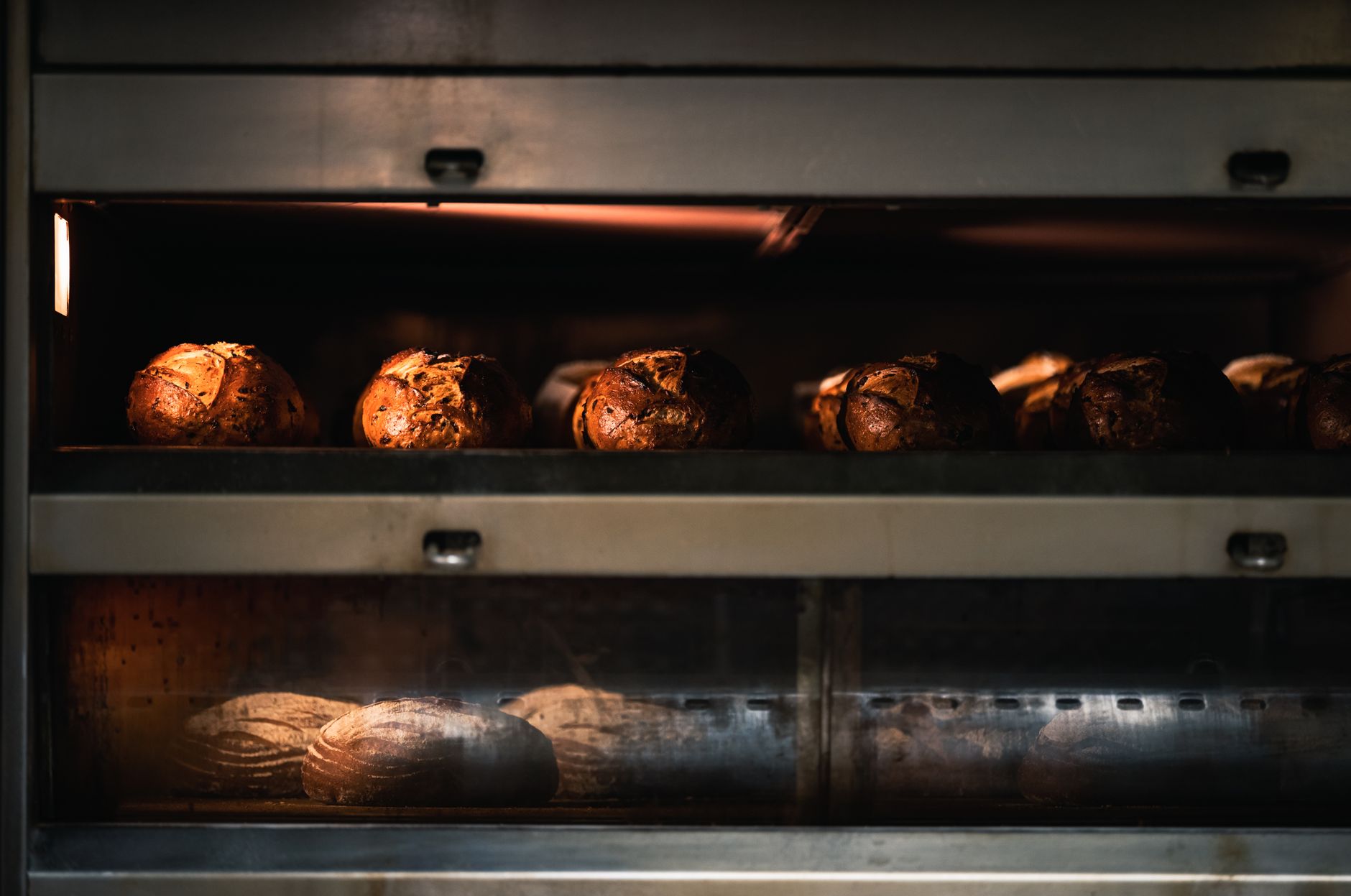
Baking bread at home can be an immensely satisfying experience. However, achieving that perfect loaf requires not only the right ingredients and techniques but also an understanding of the ideal baking temperatures and the crucial check for doneness. The internal temperature of the bread is vital, as it determines the texture, flavor, and overall quality of your finished product.
This article will cover everything you need to know about baking bread, including what temperature the bread should be when it’s done, cooking times, doneness checks, and common troubleshooting tips to ensure your bread baking is a success.
What Temp Should Bread Be?
The internal temperature for perfectly baked bread typically ranges from 190°F to 210°F (88°C to 99°C). Different types of bread may require slight variations in temperature, but generally, achieving an internal temperature within this range will ensure a well-cooked loaf with a great crumb structure.
Understanding Temperature and Its Magic
Temperature significantly affects the chemical reactions in bread making. Yeast, enzymes, and gluten respond to heat in specific ways that contribute to the final product’s texture and flavor. Here’s why getting the right temperature matters:
- Yeast Activity: Yeast is most active between 90°F and 100°F (32°C and 38°C). Too high a temperature can kill the yeast, while too low can inhibit its activity.
- Gluten Development: The heat also allows the gluten structure to develop, which gives bread its chew and bounce. Proper heating ensures that the gluten proteins gel effectively.
- Browning and Flavor Development: Maillard reaction, responsible for browning, starts at around 300°F (149°C). This reaction produces complex flavors and aromas that are essential in baked goods.
Types of Bread and Their Ideal Temperatures
Next, let’s explore some common types of bread and their specific temperature needs:
White Bread
Typically baked to an internal temperature of 190°F to 200°F (88°C to 93°C). This range ensures a soft crumb and light texture.
Whole Wheat Bread
Whole wheat bread performs best when cooked to about 200°F to 210°F (93°C to 99°C). The higher temperature helps ensure that the denser structure is cooked through.
Sourdough Bread
For sourdough, you should aim for a slightly higher internal temperature of about 200°F to 210°F (93°C to 99°C) to achieve the ideal crust and crumb texture.
Baguettes and French Bread
Baguettes should reach an internal temperature of around 190°F to 200°F (88°C to 93°C). The outer crust needs to be golden brown and crispy.
Flatbreads and Quick Breads
Flatbreads, like naan or pita, should reach an internal temperature of about 190°F (88°C), while quick breads (like banana bread) should be baked until they reach 200°F (93°C).
Using a Food Thermometer
To accurately measure the internal temperature of your bread, a reliable instant-read food thermometer is essential. Here’s how to use it properly:
- Insert the thermometer into the center of the loaf. Ensure it does not touch the pan or the bottom of the loaf, as this may give an incorrect reading.
- Wait for the temperature reading to stabilize. This usually takes a few seconds for an instant-read thermometer.
- Check the temperature against the ideal range for your type of bread. If it’s below the preferred temperature, return the bread to the oven and continue baking.
Cooking Times for Different Types of Bread
It’s important to remember that cooking times can vary based on several factors, including the oven type, the size of the loaf, and the recipe followed. Here’s a general guide to cooking times:
| Type of Bread | Cooking Time |
|---|---|
| White Bread | 25 to 30 minutes |
| Whole Wheat Bread | 30 to 35 minutes |
| Sourdough Bread | 30 to 40 minutes |
| Baguettes | 20 to 25 minutes |
| Flatbreads | 10 to 15 minutes |
| Quick Breads | 50 to 60 minutes |
Delicious Crust and Flavor: Visual and Texture Cues
Aside from measuring temperature, certain visual and tactile cues indicate how your bread is doing during the baking process:
- Color: Look for a rich, golden-brown color on the crust. This indicates proper caramelization and flavor development.
- Crust Hardness: A properly baked loaf will have a firm crust. If it feels too soft, it may need more time.
- Sound: Tap the bottom of the loaf; it should sound hollow if it’s done.
- Texture: The bread should feel light yet firm when gently pressed; it should spring back after being pressed.
Common Mistakes in Bread Baking
Even with the right temperature and techniques, mistakes can happen. Here are some common pitfalls and how to avoid them:
- Under-proofing: This happens when your dough isn’t allowed enough time to rise. Always give your dough sufficient time for the yeast to perform its magic — it should double in size.
- Over-kneading: While kneading is essential for gluten development, overdoing it can lead to a tough texture. Aim for a smooth, elastic dough without excess resistance.
- Inaccurate Measurements: Bread relies heavily on precise measurements. Always use a kitchen scale for accuracy and take care when measuring flour, as it can become compacted.
- Insufficient Baking Time: Rushing the baking period can lead to dense bread. Ensure you check the temperature and appearance, rather than relying solely on the clock.
Make Ahead and Storage Guidance
Bread is best enjoyed fresh, but storing leftovers properly ensures they remain tasty:
- Room Temperature: Store bread in a cool, dry place in a paper bag to allow it to breathe.
- Freezing: If you don’t plan to consume it within two days, slice and freeze the bread in an airtight bag. It can last up to three months frozen.
- Reheating: For best results, reheat bread in the oven at 350°F (175°C) for about 10 minutes to revive its crust.
Experimenting with Bread Baking
Bread baking is an art. Once you master the basics, feel free to experiment with different ingredients and techniques:
- Flour Types: Try different flour types — bread flour, all-purpose flour, and whole grain flour can each produce different textures and flavors in your bread.
- Add-ins: Herbs, spices, cheese, or seeds can enhance flavor. Incorporate them during the mixing phase.
- Shaping Techniques: Experiment with various shapes (boules, batards, rolls) to create a unique look and texture for your bread.
Conclusion
Knowing what temperature bread should be is only one piece of the puzzle in baking delicious bread at home. By understanding the processes involved and how temperature affects your baking, you can achieve loaves with excellent flavor, texture, and appearance.
For a delicious homemade bread experience, try out honey wheat bread or explore the nutty flavor of einkorn bread. There are endless possibilities waiting for you in your kitchen!