
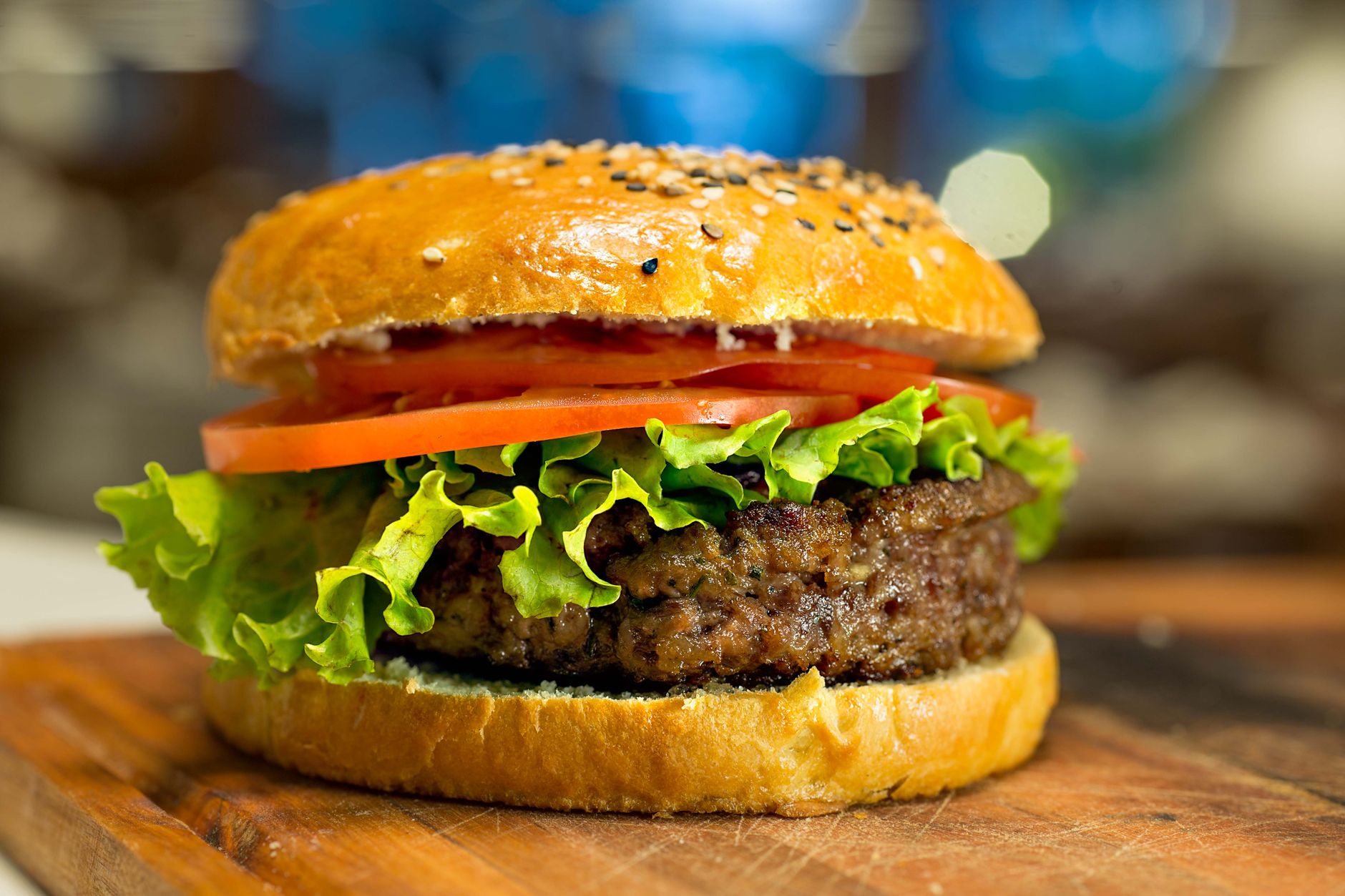
When it comes to cooking burgers, understanding doneness levels is crucial for both flavor and food safety. A well-done burger reaches a specific temperature that ensures it’s fully cooked while avoiding any potential health risks associated with undercooked meat. This guide will cover everything you need to know about achieving the perfect well-done burger, including the ideal temperature, cooking methods, and tips for maintaining optimal flavor and texture.
Whether you’re a backyard grilling enthusiast or a home cook using a stovetop, mastering the well-done burger is essential for serving delicious meals. Let’s dive deep into what temperature you should aim for, how to achieve it, and some helpful cooking techniques to perfect your burger.
What Temp Is a Well Done Burger?
A well-done burger is cooked to an internal temperature of 160°F (71°C). At this temperature, the meat is no longer pink, and all harmful bacteria are eliminated, making it safe to eat. Using a meat thermometer is essential to accurately gauge the burger’s doneness, especially when cooking ground beef.
Understanding Burger Doneness Levels
To ensure you achieve the desired doneness, it’s helpful to understand the different levels of burger cooking:
- Rare: 120°F to 125°F (49°C to 52°C) – cool red center.
- Medium Rare: 130°F to 135°F (54°C to 57°C) – warm red center.
- Medium: 140°F to 145°F (60°C to 63°C) – warm pink center.
- Medium Well: 150°F to 155°F (66°C to 68°C) – slightly pink center.
- Well Done: 160°F (71°C) and above – no pink.
These temperatures help in both flavor retention and food safety. It’s important to note that while many people enjoy their burgers medium rare, some prefer well-done for personal taste or health reasons.
Why Use a Meat Thermometer?
Using a meat thermometer is the best way to ensure your burger reaches the desired internal temperature. Visual cues such as color or firmness can be misleading. A meat thermometer provides accurate readings, ensuring the burger is safe to eat without compromising flavor or juiciness.
Cooking Techniques for Well-Done Burgers
There are several cooking methods you can use to achieve a well-done burger, each offering different flavors and textures:
Grilling
Grilling is a popular method for cooking burgers, providing a smoky flavor and charred texture.
- Preheat your grill to medium heat (about 375°F to 400°F).
- Form your ground beef into patties, pressing a slight indentation in the center (this helps them cook evenly).
- Season both sides generously with salt and pepper.
- Place the patties on the grill and cook for about 6-7 minutes on one side.
- Flip the burgers and continue cooking for another 6-7 minutes until the internal temperature reaches 160°F (71°C).
- Let the burgers rest for a few minutes before serving to retain juice.
Pan-Frying
Pan-frying is another excellent way to cook burgers indoors while achieving a nice crust.
- Heat a skillet over medium-high heat and add a little oil.
- Form your patties as mentioned above and season with salt and pepper.
- Once the pan is hot, place the patties in the skillet.
- Cook for about 5-6 minutes on one side before flipping.
- After flipping, cook for an additional 5-6 minutes until the internal temperature reaches 160°F (71°C).
- Allow the burgers to rest for a few minutes before serving.
Baking
Baking is a less traditional method but can be convenient for cooking multiple burgers at once.
- Preheat your oven to 400°F (200°C).
- Shape the burger patties and season as desired.
- Place the patties on a baking sheet lined with parchment paper.
- Bake the burgers for 20-25 minutes or until they reach an internal temperature of 160°F (71°C).
- Let them rest briefly before serving.
Tips for Juicy Well-Done Burgers
Cooking a burger to well done often risks a dry outcome. Here are some tips to keep your burgers juicy:
- Use Ground Beef with Fat: Choose ground beef with a higher fat content (80/20 or 85/15) to maintain moisture.
- Avoid Over-Handling: When shaping patties, handle the meat gently to prevent compaction.
- Indent the Center: Press a small indentation in the center of each patty before cooking to prevent puffing.
- Flavor the Meat: Mix in spices, Worcestershire sauce, or grated cheese for added flavor.
- Rest Before Serving: Let the burgers rest after cooking to keep the juices locked in.
Common Mistakes to Avoid
Even experienced cooks can make mistakes when preparing burgers. Here are some common pitfalls and how to prevent them:
- Using Lean Meat: Opting for very lean ground beef can result in a dry burger. Slight fat content is necessary for juiciness.
- Cooking at Too High of a Heat: High heat can cause the outside to burn while the inside remains undercooked. Moderate heat allows for even cooking.
- Not Resting the Burger: Cutting into a burger right after cooking releases the juices, leading to dryness. Resting allows juices to redistribute.
- Forgetting the Thermometer: Relying on visual cues can lead to undercooked meat. Always use a thermometer for safety.
Serving Suggestions for Well-Done Burgers
A well-done burger can be an excellent base for a variety of toppings and sides. Consider these ideas for a complete meal:
- Bun Choices: Use brioche, whole wheat, or gluten-free buns depending on preference.
- Toppings: Offer a range of toppings such as lettuce, tomato, onion, pickles, cheese, and various sauces.
- Sides: Serve with options like fries, onion rings, coleslaw, or grilled vegetables for a balanced meal.
- Condiments: Provide classic condiments such as ketchup, mustard, mayonnaise, and BBQ sauce for added flavor.
Make-Ahead Tips
Preparing burgers in advance can save time during meal prep. Here are some strategies:
- Pre-formed Patties: Shape your burgers and freeze them. Just ensure they are separated with parchment paper to avoid sticking.
- Marinated Meat: Marinade ground beef with spices or sauces, then form patties. They can be stored in the fridge for a day or two before cooking.
Food Safety Guidelines
When handling ground beef, it’s crucial to adhere to food safety guidelines to prevent foodborne illness:
- Thaw Safely: Avoid thawing meat at room temperature. Thaw in the refrigerator, microwave, or cold water.
- Wash Hands and Surfaces: Always wash your hands, utensils, and preparation surfaces after contact with raw meat.
- Cook Thoroughly: Always use a meat thermometer to ensure your burgers reach the safe internal temperature of 160°F (71°C).
- Store Leftovers Properly: If you have leftovers, refrigerate them within two hours of cooking and consume them within three to four days.
Variations of Well-Done Burgers
There are several ways to elevate your well-done burger experience with unique flavors and ingredients:
- Stuffed Burgers: Create a well-done burger stuffed with ingredients like cheese, jalapeños, or mushrooms.
- International Flavors: Incorporate spices from different cuisines, such as Moroccan spices or Asian-inspired ginger and sesame.
- Alternative Proteins: Try well-done burgers made from turkey, chicken, or plant-based options, adjusting cooking times accordingly.
By exploring these variations, you can keep your burger nights exciting and enjoyable.
Understanding how to achieve a well-done burger at the correct temperature will enhance your grilling and cooking skills significantly. Remember to use a meat thermometer to accurately monitor doneness, maintain moisture with the right fat content, and get creative with toppings and seasonings for a delightful meal. With practice, you’ll be serving up perfect well-done burgers every time.
For more cooking tips, check out our guide on what temperature to bake chicken or try out a delicious hamburger steak recipe for a comforting meal idea.