
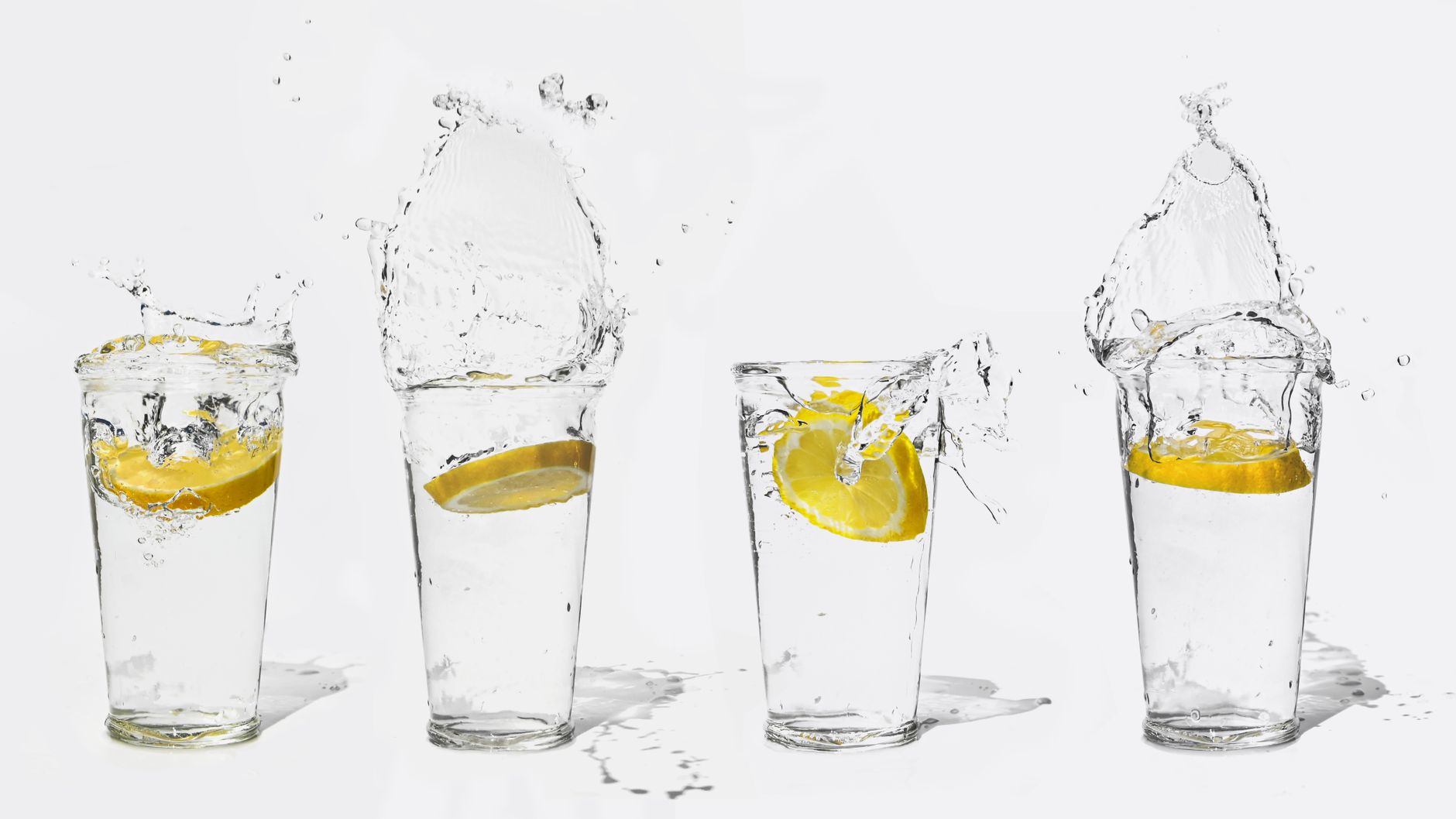
A clear liquid diet is a temporary eating plan primarily consisting of transparent liquids that are easy to digest. It’s often recommended before certain medical procedures or surgery, but it may also be used when someone is experiencing gastrointestinal distress.
This diet helps ensure that the gastrointestinal tract is empty and does not put additional strain on it. Below, we’ll explore what is considered a clear liquid diet, the types of liquids permissible, and portions, tips for successful adherence, and some common scenarios for its use.
What Is Considered Clear Liquid Diet?
A clear liquid diet includes any liquid that is transparent and free from solid particles. This means you should be able to see through the liquid, which helps ensure minimal digestive effort. The primary objective of this diet is to maintain hydration and provide some energy while allowing the digestive system to rest.
Common components of a clear liquid diet include:
- Water
- Clear broths (chicken, beef, or vegetable)
- Plain gelatin
- Clear fruit juices without pulp (such as apple juice)
- Ice pops without fruit pieces or pulp
- Tea or coffee (without cream or milk)
- Sports drinks that are not colored
- Soft drinks that are clear, like lemon-lime soda
Why Follow a Clear Liquid Diet?
Individuals may be placed on a clear liquid diet for several reasons, including:
- Preoperative preparation: To ensure that the stomach and intestines are empty before anesthesia or certain surgical procedures.
- Postoperative recovery: It’s often easier on the digestive system after surgery.
- Medical conditions: To manage symptoms during illnesses like gastroenteritis, inflammatory bowel disease, or severe diarrhea.
- Diagnostic tests: For tests involving the gastrointestinal tract, such as colonoscopies or certain imaging scans.
Types of Clear Liquids
Understanding exactly what types of liquids fall into the clear liquid category is crucial for compliance. Here’s a breakdown of the primary categories:
Clear Broths and Soups
Clear broths are essential components of a clear liquid diet. They provide savory flavors and much-needed electrolytes while being easy on the digestive system. Broths should be strained to ensure there are no solid pieces remaining.
- Chicken broth
- Beef broth
- Vegetable broth
Juices
Fruits juices should always be free from pulp to maintain clarity. The following clear fruit juices are typically acceptable:
- Apple juice
- White grape juice
- Electrolyte drinks (like Gatorade, excluding colored varieties)
- Lemonade (strained without pulp)
Gelatin
Plain gelatin is an important component for flavor and texture in a clear liquid diet. Options include:
- Jell-O (gelatin desserts without added fruit)
Beverages
When it comes to drinks, certain options are preferable:
- Water (plain or carbonated)
- Coffee or tea (black, no cream or milk)
- Clear soft drinks (like ginger ale or lemon-lime soda)
Ice Pops
Icy treats can also be included, provided they are made from clear liquids and do not contain any fruit pieces.
- Clear ice pops
Portion Sizes and Serving Suggestions
Maintaining proper portion sizes on a clear liquid diet helps ensure adequate hydration and energy intake.
Here’s a guideline on appropriate portions for various clear liquids:
- Clear broth: 1 cup (8 ounces) up to 3 times a day
- Fruit juice: ½ cup (4 ounces) up to 3 times a day
- Gelatin: 1 serving (approximately ½ cup)
- Soft drinks: 1 cup (8 ounces) occasionally
- Water: 8-10 cups (64-80 ounces) per day to stay hydrated
Ensure to distribute the intake across the day by incorporating different liquids and flavors to prevent monotony.
Tips for Following a Clear Liquid Diet
Maintaining a clear liquid diet can be challenging, but these tips may help:
- Plan ahead: Stock up on allowable items so you don’t have to worry about meals on the day of your diet.
- Mix flavors: Use different juices, broths, and drinks to provide variety and avoid boredom.
- Stay hydrated: Drink plenty of water in addition to clear liquids to keep hydrated.
- Listen to your body: If you feel hungry, assess what you are allowed to consume.
- Monitor your body’s responses: Take note of any discomfort or unusual symptoms to report to a healthcare provider.
Common Mistakes on a Clear Liquid Diet
Here are some pitfalls to avoid:
- Ingestion of solid foods or any foods that do not meet the clear liquid criteria.
- Failing to consume enough calories and fluids, leading to dehydration.
- Choosing colored drinks or juices, which can contain pulp, violating the guidelines.
- Disregarding portion sizes, which can affect overall health during this restricted diet.
When to Consult a Healthcare Provider
Consultation with a healthcare provider is essential before starting any diet, especially a restricted one like a clear liquid diet. You should consult your healthcare provider if you experience:
- Prolonged gastrointestinal distress
- Signs of dehydration, such as dizziness, dry mouth, or dark-colored urine
- Persistent hunger or discomfort
- Difficulty adhering to the diet due to cravings or adverse effects
Practical Applications of a Clear Liquid Diet
Aside from medical preparations, some people may choose to follow a clear liquid diet for weight management or detoxification purposes. However, it is essential to recognize that this diet is not intended for long-term use. It is best suited as a temporary measure.
Some scenarios where a clear liquid diet is applicable include:
- Pre-surgery preparations
- Postoperative recovery, especially after gastrointestinal surgery
- Short-term treatment for gastrointestinal upset or infections
- Preparation for diagnostic procedures like colonoscopies
Conclusion
A clear liquid diet can be a necessary step for certain medical procedures and recovery processes. Understanding what constitutes a clear liquid, the associated serving sizes, and tips for adherence can ease the efforts required to comply with this diet.
As always, engaging with a healthcare provider is critical for personalized advice. For those looking to explore further, you might find inspiration in recipes like a clear soup recipe or a busy day soup recipe.