
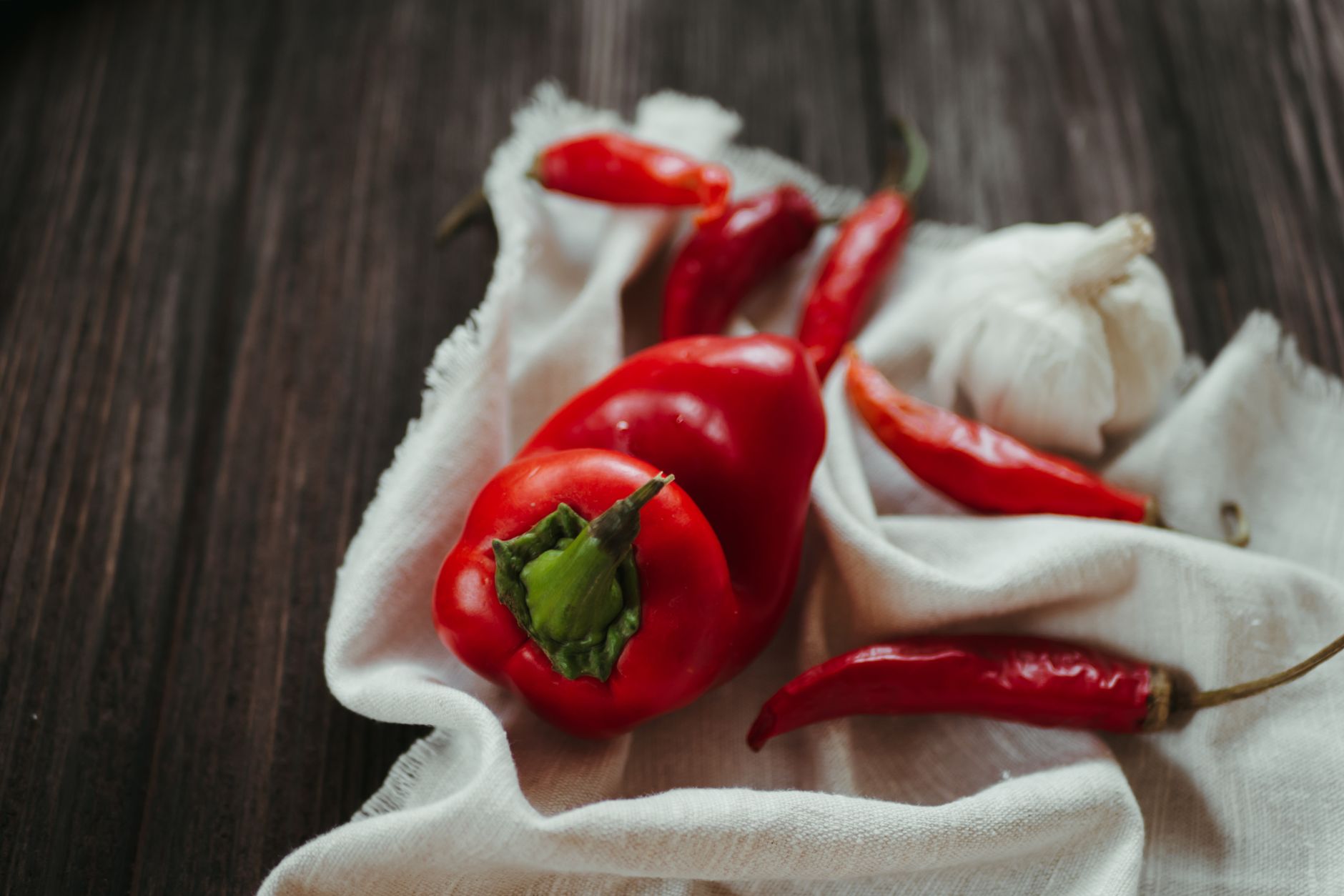
For those with gluten sensitivities or celiac disease, identifying gluten-containing ingredients is crucial to maintaining a healthy diet. While many spices are naturally gluten-free, certain blends and added ingredients can contain gluten. This guide aims to clarify which spices may have gluten and offers helpful tips on how to read labels effectively.
Understanding gluten sources in everyday spices is essential for safe meal preparation. By becoming familiar with spices that might contain gluten, you can ensure that your cooking remains both delicious and compliant with your dietary needs.
What Spices Have Gluten?
Gluten is a protein found in wheat, barley, and rye. Naturally, most pure spices do not contain gluten. However, issues arise with processed spice blends and seasonings, which can include gluten as a filler or anti-caking agent. Some spices and spice mixes that may contain gluten include:
- Rye flour-based spices and seasoning blends
- Wheat flour-containing blends (e.g., some curry powders)
- Commercial taco seasoning mixes
- Some bouillon powders and stocks
- Certain flavored salts and seasonings
- Pre-packaged spice mixes (e.g., barbecue rubs)
Common Gluten-Containing Spices and Seasoning Mixes
Taco Seasoning
Many store-bought taco seasoning mixes include wheat flour as a thickening agent or anti-caking ingredient. To avoid gluten, opt for brands that specifically label their products as gluten-free or make your own taco seasoning using individual spices.
Barbecue Rubs
Commercial barbecue rubs can also contain gluten. Check labels carefully, as some brands include wheat or other gluten-based fillers in their blends. Making your own rub allows you to control the ingredients and ensure a gluten-free option.
Stock Powders and Bouillons
Some stock powders and bouillon cubes may contain gluten, especially those that use wheat as a flavor enhancer. Look for gluten-free brands or make your own stock using gluten-free ingredients.
Prepackaged Spice Blends
Spice blends like curry powders, garam masala, and others can sometimes include gluten due to the addition of wheat-based thickeners. When selecting blends, again focus on those labeled gluten-free.
Flavored Salts
Some flavored salts, such as garlic salt or onion salt, may contain additives that have gluten in them. Always read the ingredient labels to ensure the blend is gluten-free.
Understanding Labels and Ingredients
Reading labels is key to avoiding gluten in spices. Here are some tips on how to read labels effectively:
- Look for gluten-free certification: Many brands carry a gluten-free certification symbol, which indicates that the product meets strict gluten-free standards.
- Inspect the ingredient list: Read through the complete ingredient list for any mention of wheat, barley, or rye. Even if a product is marketed as gluten-free, allergens may still be present in trace amounts.
- Avoid vague terms: Terms like “spices” or “natural flavors” do not always clarify ingredient safety. If these terms are present, it’s best to choose a different product.
- Contact the manufacturer: If you have doubts, don’t hesitate to reach out to the brand directly for clarification on any potential gluten sources in their products.
Natural vs. Processed Spices
It’s crucial to differentiate between natural spices and processed spice blends. Pure, natural spices like cumin, coriander, paprika, and turmeric are typically gluten-free. When using these spices, always ensure they are made without additional fillers that might contain gluten.
Homemade Spice Blends: Safe and Delicious
Creating your own spice blends is the safest way to ensure they are gluten-free and tailored to your taste preferences. Here’s a simple formula for making homemade taco seasoning and barbecue rub.
Homemade Taco Seasoning
- 1 tablespoon chili powder
- 1 teaspoon cumin
- 1 teaspoon paprika
- 1 teaspoon garlic powder
- 1 teaspoon onion powder
- 1/2 teaspoon salt
- 1/2 teaspoon black pepper
- 1/2 teaspoon oregano
Combine all spices in a bowl. Store in an airtight container for up to six months. This taco seasoning provides robust flavor without the risk of gluten.
Homemade Barbecue Rub
- 1 tablespoon brown sugar
- 1 tablespoon paprika
- 1 teaspoon black pepper
- 1 teaspoon garlic powder
- 1 teaspoon onion powder
- 1 teaspoon salt
- 1 teaspoon cumin
- 1/2 teaspoon cayenne pepper (optional for heat)
Mix all ingredients thoroughly and store in an airtight container. This blend infuses your meats with flavor without the addition of any gluten-containing ingredients.
Common Mistakes to Avoid
When navigating the world of gluten-free spices, there are several common missteps to watch out for:
- Assuming all spices are gluten-free: Just because a spice is naturally derived does not mean it is safe. Always double-check products.
- Not checking for cross-contamination: Spices processed in facilities that also handle gluten can be cross-contaminated. Look for brands that emphasize batch testing.
- Using outdated spices: Spices lose potency over time, but old spices can also be contaminated. Ensure your spices are fresh and properly stored.
Practical Tips for Cooking Gluten-Free Meals
Here are some practical tips for cooking gluten-free meals while using spices:
- Stock a dedicated gluten-free spice cabinet: Keeping gluten-free spices separate from other spices reduces the risk of cross-contamination.
- Educate your family: Make sure everyone in your household understands the importance of gluten-free practices to avoid accidental exposure.
- Experiment with fresh herbs: Fresh herbs like basil, cilantro, or parsley provide flavor without the concern of gluten.
- Use simple ingredients: Focus on using whole foods such as fruits, vegetables, meats, and grains that are naturally gluten-free to complement your spices.
Gluten-Free Spices Brands to Consider
Several brands are known for their commitment to gluten-free spices. Here are a few to consider:
- Penzeys Spices: They offer a wide range of gluten-free spices and label their products clearly.
- Simply Organic: Known for organic and gluten-free options, their products are straightforward and devoid of fillers.
- McCormick: Many of their single spices are gluten-free, but verify on the specific packaging.
Alternative Spices and Seasonings
If you find that certain spice blends are off-limits, consider these gluten-free options:
- Mustard Powder: A great addition to curries and blends, providing depth without gluten.
- Ginger: Fresh or powdered, ginger can add significant spice to your dishes.
- Hot Peppers: Both fresh and dried peppers can replace more complex spice blends.
Summary of Key Points
Identifying which spices have gluten can be challenging, but understanding labels and knowing which blends to avoid is essential. Caution with prepackaged seasoning mixes helps prevent gluten contamination and supports a balanced gluten-free diet.
By relying on natural spices and creating your own blends, you can flavor your meals safely and deliciously. Remember to always check product labels and, when in doubt, reach out to manufacturers for additional clarification. With these strategies in mind, you’re well on your way to a successful gluten-free cooking experience.
For further insights on spices and ingredients, consider exploring these related articles: Substitutes for Coriander and Ingredients in Taco Seasoning.