
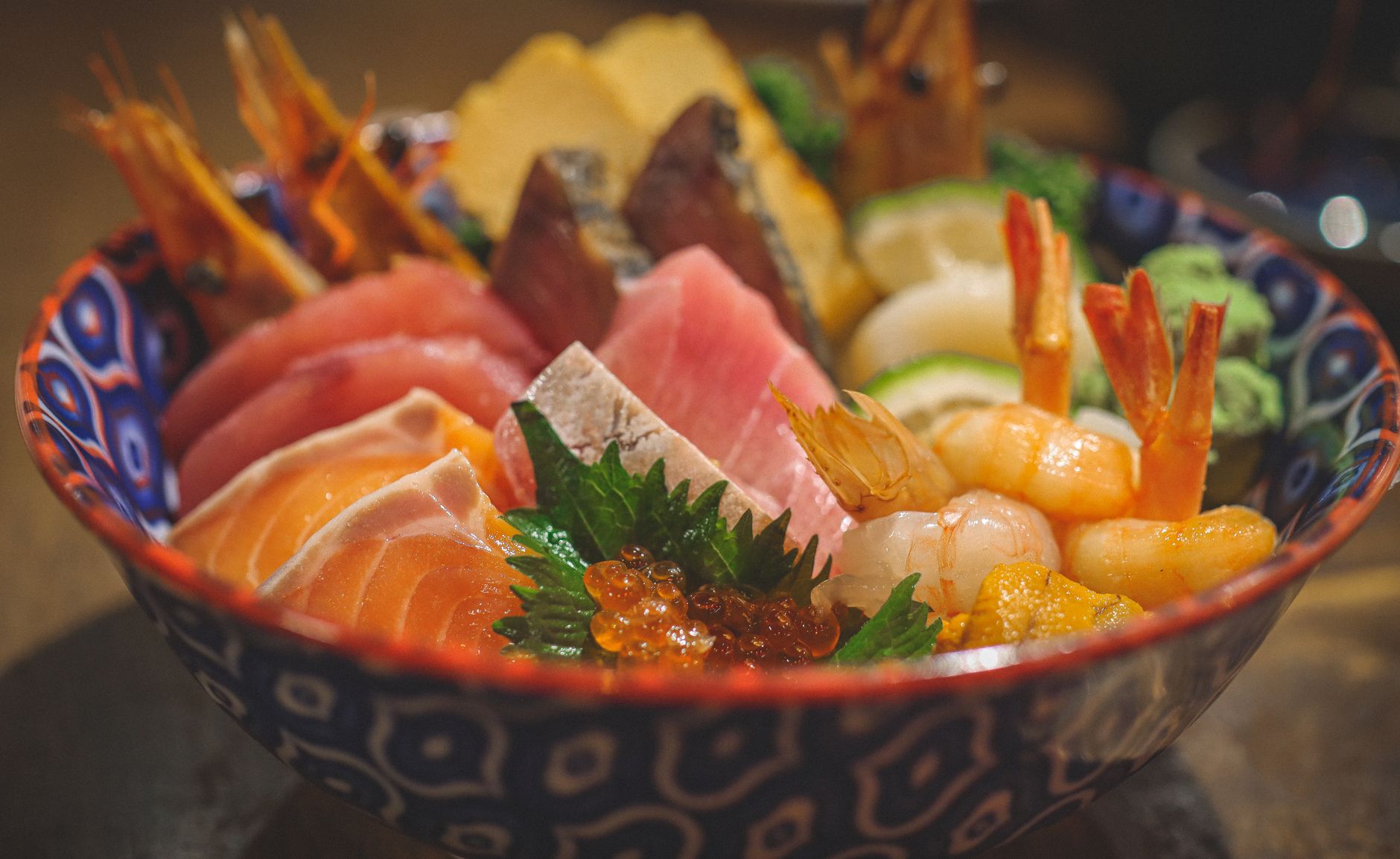
Chirashi sushi, also known as “scattered sushi,” is a vibrant and artistic Japanese dish that offers a delightful combination of flavors and textures. Unlike traditional sushi that rolls fish and rice together, chirashi presents various toppings served over a bowl of sushi rice, making it an appealing dish for both the eyes and the palate.
This dish comes with a plethora of ingredients, highlighting the diversity of Japanese cuisine. It is not only a feast for the taste buds but also an opportunity for culinary creativity, allowing for an array of toppings and garnishes. In this article, we will explore what chirashi sushi is, its key ingredients, its flavors and textures, uses in culinary practices, and how you can make it at home.
What Is Chirashi Sushi?
Chirashi sushi is a type of sushi that features a bed of seasoned sushi rice topped with a variety of ingredients, typically raw fish, vegetables, and garnishes. Its name derives from the Japanese word “chirasu,” meaning “to scatter,” which refers to the way the ingredients are artfully arranged over the rice.
Traditionally served during celebrations and festivals, chirashi sushi reflects the season’s freshest ingredients. It is favored for its simplicity and flexibility, allowing home cooks and chefs alike to use their creativity in presentation and flavor combinations. Common variations include the use of different fish, vegetables, and even toppings like egg or pickles, demonstrating the versatility of this beloved dish.
Key Ingredients in Chirashi Sushi
The appeal of chirashi sushi lies in its diverse range of ingredients. While the base components remain consistent, the toppings can vary widely based on personal preference, seasonality, or regional specialties. Here are the essential ingredients commonly used in chirashi sushi:
- Sushi Rice: The foundation of chirashi sushi, sushi rice is short-grain rice seasoned with a mixture of vinegar, sugar, and salt to achieve a slightly tangy flavor. This sticky texture allows the rice to hold toppings better.
- Fresh Fish: Various types of sashimi-grade fish are used, including tuna, salmon, yellowtail, and mackerel. The freshness of the fish is crucial for a delicious chirashi.
- Vegetables: Sliced vegetables like cucumbers, radishes, and carrots add crunch and color. Cooked vegetables, such as shiitake mushrooms, can also be included.
- Pickles: Tsukemono, or Japanese pickles, provide a tart and salty contrast to the rich flavors. Common varieties include pickled ginger and daikon radish.
- Eggs: Tamagoyaki, a Japanese-style omelet, is often sliced into strips or squares for decoration and added sweetness.
- Garnishes: Sesame seeds, seaweed (nori), and edible flowers can be used for final touches, enhancing both the flavor and appearance.
- Wasabi and Soy Sauce: Common condiments served alongside chirashi sushi for those who enjoy a spicy kick or added umami flavor.
Taste Profile and Texture
Chirashi sushi delivers a harmonious balance of flavors and textures. Each bite offers a unique experience, with the following notable characteristics:
- Umami: The fresh fish and seasoned rice bring a natural savory taste that is quintessential in Japanese cuisine.
- Freshness: The variety of raw fish and vegetables ensures that every spoonful is refreshing, making it a great dish for warm weather.
- Sweetness: The sushi rice, with its vinegary seasoning, has a mild sweetness that complements the other flavors.
- Crunchiness: The added vegetables provide a satisfying crunch that contrasts nicely with the softer ingredients.
- Colorfulness: The vibrant colors of the assorted ingredients not only make chirashi visually appealing but also suggest a range of flavors.
Culinary Uses of Chirashi Sushi
Chirashi sushi is not just a dish to be enjoyed; it also holds cultural and culinary significance. Here are some of its primary uses:
- Celebratory Dish: Chirashi sushi is often served during special occasions such as birthdays, Hanami (flower viewing), and New Year’s celebrations. Its colorful presentation symbolizes prosperity and happiness.
- Seasonal Variation: Cooks can adapt chirashi sushi based on the season’s freshest ingredients, allowing for unique creations throughout the year.
- Individual Customization: Each person can assemble their own chirashi bowl, adjusting toppings according to personal preferences or dietary restrictions.
- Picnic Food: Due to its portability, chirashi sushi makes a great picnic or lunch option, maintaining its flavor and presentation even when carried.
- Artistic Expression: For chefs and home cooks, chirashi sushi serves as a creative outlet. The artistic arrangement of ingredients allows for personal touches and creative designs.
How to Make Chirashi Sushi at Home
Creating your own chirashi sushi at home is easier than you might think. Here’s everything you need to know about preparing this delightful dish.
Ingredients List
To make chirashi sushi for 4 servings, gather the following ingredients:
- 2 cups sushi rice, rinsed and drained
- 2 ½ cups water
- ¼ cup rice vinegar
- 2 tablespoons sugar
- 1 teaspoon salt
- 200 grams sashimi-grade tuna, sliced
- 200 grams sashimi-grade salmon, sliced
- 1 medium cucumber, julienned
- 1 medium carrot, julienned
- 4-6 pieces of pickled ginger
- 4 slices of tamagoyaki (Japanese omelet) or 2 scrambled eggs
- Sesame seeds for garnish
- Nori (seaweed), cut into thin strips for garnish
- Soy sauce and wasabi for serving
Essential Equipment
- Large pot or rice cooker
- Wooden spoon or rice paddle
- Cutting board and knife
- Serving bowl or individual bowls
- Measuring cups and spoons
Step-by-Step Method
- Cook the Rice: In a rice cooker or pot, combine the rinsed sushi rice and water. Cook according to the manufacturer’s instructions or bring to a boil, then reduce heat to low and cover for 15-20 minutes until water is absorbed.
- Season the Rice: While the rice is cooking, mix rice vinegar, sugar, and salt in a small bowl until dissolved. Once the rice is done, transfer it to a wooden or plastic bowl, gently fold in the vinegar mixture using a wooden spoon to evenly coat the rice. Let it cool to room temperature.
- Prepare the Toppings: While the rice cools, slice the sashimi-grade fish, julienne the cucumber, carrot, and prepare tamagoyaki or scrambled eggs. Cut nori into strips and set aside.
- Assemble the Chirashi: In a large serving bowl or individual bowls, spread an even layer of sushi rice as the base. Artfully arrange the sliced fish, vegetables, egg, and pickled ginger on top. Garnish with sesame seeds and nori strips.
- Serve: Provide soy sauce and wasabi on the side for dipping. Enjoy the chirashi immediately for the best flavor and freshness.
Common Mistakes and Troubleshooting
While making chirashi sushi is straightforward, here are some common pitfalls to avoid:
- Rice Texture: Ensure to use the right sushi rice. Using long-grain rice will not yield the same sticky texture required for chirashi sushi.
- Over-seasoning: Be cautious when mixing the vinegar mixture with the rice. Too much seasoning can overpower the delicate flavors of the other toppings.
- Freshness of Ingredients: The quality of the raw fish is crucial. Always buy sashimi-grade fish from a reputable source to ensure safety and flavor.
- Presentation: Take time to arrange the toppings thoughtfully. Bird’s nests of ingredients can enhance the dish’s visual appeal and showcase your culinary skills.
Variations and Substitutions
One of the beauties of chirashi sushi is its adaptability. Here are some variations and substitutions you can consider:
- Vegetarian Version: Use tofu, avocado, or tempura vegetables instead of fish. You can also add edamame for extra protein.
- Different Proteins: Experiment with cooked shrimp, crab, or octopus for different flavor profiles.
- Seasonal Vegetables: Adapt the vegetables based on what is in season or readily available. Sweet edamame, asparagus, or bell peppers can work well.
- Different Rice Variations: For a healthier option, consider using brown sushi rice or cauliflower rice, but keep in mind that the texture and flavor will differ.
Storage and Reheating
Chirashi sushi is best enjoyed fresh, but if you have leftovers, here’s how to store them:
- Store uneaten chirashi components separately to maintain freshness. Place sushi rice in an airtight container and keep toppings in their respective containers.
- Sushi rice is best consumed within 1 day; after that, it can lose its texture.
- Raw fish should be eaten as soon as possible—ideally the same day. Storing cooked or ready-to-eat versions is also recommended for no more than 24 hours in the refrigerator.
Conclusion
Chirashi sushi is a delightful and versatile dish that brings together a variety of flavors and textures in one bowl. Its beautiful presentation and the freedom to customize toppings make it a favorite choice for celebrations and casual meals alike. Whether you’re making it for a special occasion or simply enjoying it at home, chirashi sushi is sure to impress.
Now that you understand what chirashi sushi is, it’s time to explore your culinary skills in making this delicious dish. For more creative meal ideas, check out our recipes for chia pudding made with coconut milk and learn how to prepare arborio rice, a staple for risottos.