
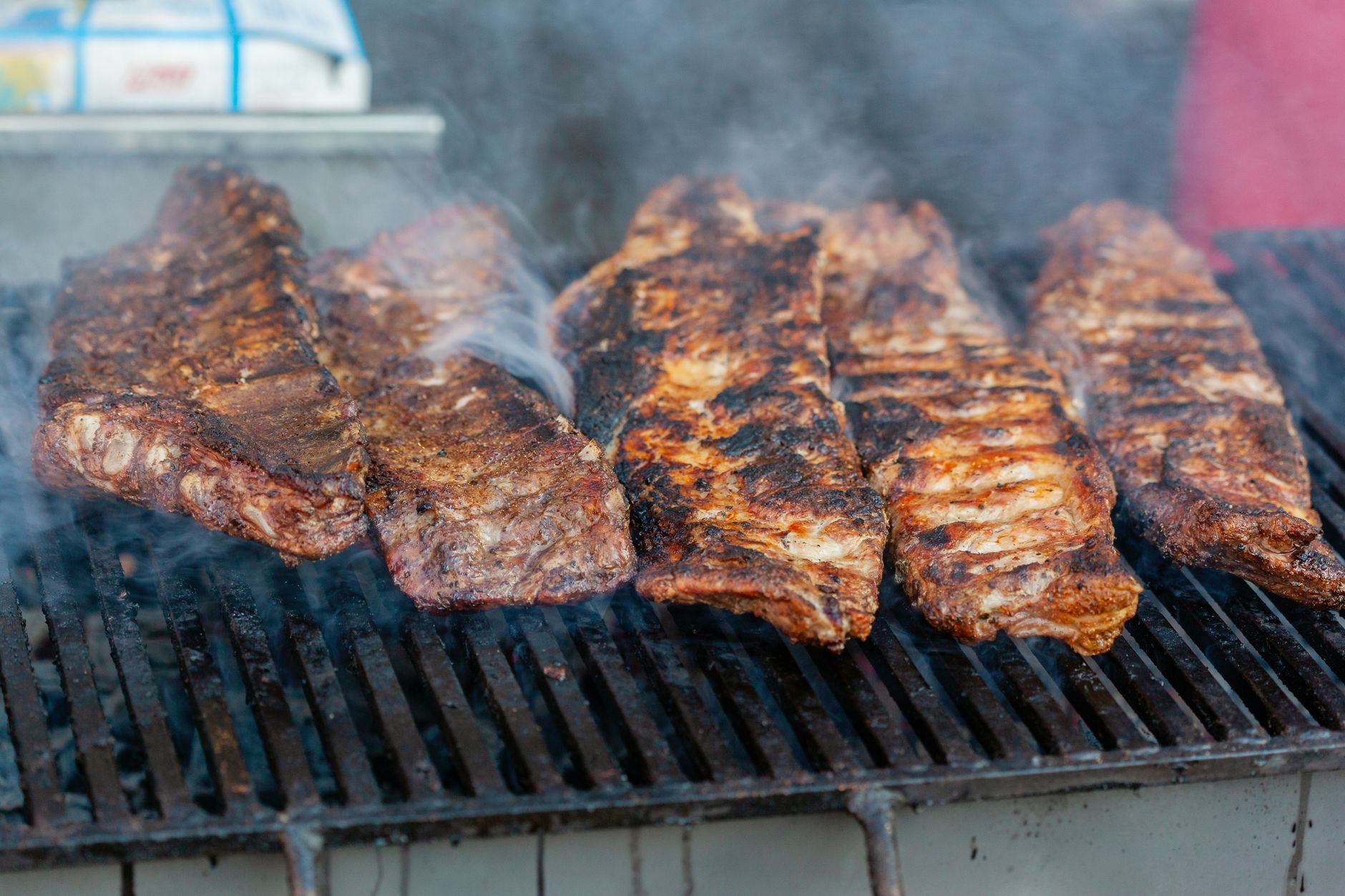
When it comes to cooking ribs, understanding the right internal temperature is crucial to achieve that tender, flavorful meat that falls off the bone. Whether you’re grilling, smoking, or baking, knowing what temperature to aim for can make a huge difference in your results.
This guide will take you through everything you need to know about the ideal internal temperature for ribs, how to achieve it, the best cooking methods, and tips for ensuring your ribs are cooked perfectly every time.
What Should The Internal Temp Of Ribs Be?
The recommended internal temperature for ribs is typically between 190°F to 205°F (88°C to 96°C). At these temperatures, the collagen in the meat breaks down, resulting in tender, juicy ribs. Cooking them until they reach this range is essential for that melt-in-your-mouth texture.
The Science Behind Ribs Temperature
Ribs come from the ribcage of pigs or beef, and the meat can be tough due to the presence of connective tissue and collagen. When ribs are cooked to the appropriate internal temperature, the collagen converts into gelatin, which enriches the meat’s moisture and enhances its tenderness.
Cooking ribs between 190°F to 205°F allows for this transformation, creating a texture that is desirable for most consumers. Going significantly over 205°F can lead to dry ribs, as the moisture begins to evaporate.
Different Types of Ribs
Ribs come in various styles and types, including baby back ribs, spare ribs, and St. Louis-style ribs. Each type has its characteristics and may require slight adjustments in cooking methods and timing. Here’s a breakdown:
- Baby Back Ribs: These ribs are smaller and more tender, typically cooking more quickly than spare ribs.
- Spare Ribs: Longer and wider than baby back ribs, spare ribs may take longer to cook due to their muscular structure.
- St. Louis-Style Ribs: A trimmed version of spare ribs, these have a more uniform shape that cooks evenly.
Cooking Methods for Ribs
There are several methods to cook ribs, each yielding different flavors and textures. Here are some popular methods:
Grilling
Grilling ribs gives them a smoky flavor with a beautiful char. For best results:
- Preheat your grill to medium heat (around 300°F).
- Season the ribs with your favorite dry rub or marinade.
- Place the ribs on the grill and close the lid.
- Cook for about 3-4 hours, using a meat thermometer to check the internal temperature.
Smoking
Smoking ribs infuses them with deep, rich flavors and is a favorite among barbecue enthusiasts. Here’s how to do it:
- Prepare your smoker and heat it to approximately 225°F to 250°F.
- Apply a dry rub liberally on the ribs.
- Place the ribs in the smoker bone-side down.
- Smoke the ribs for about 5-6 hours, checking for an internal temperature between 190°F to 205°F.
Baking
Baking ribs is an easy indoor method, perfect for colder weather or when a grill isn’t available. Follow these steps:
- Preheat your oven to 300°F.
- Wrap the seasoned ribs in aluminum foil to keep them moist.
- Bake for about 2.5 to 3 hours.
- Check the internal temperature with a meat thermometer.
Tips for Achieving Perfect Ribs
Here are some helpful insights to ensure your ribs turn out just right:
- Use a Meat Thermometer: This is essential for ensuring accuracy. Invest in a good quality meat thermometer for best results.
- Let Them Rest: After cooking, allowing the ribs to rest for 10 to 15 minutes helps the juices redistribute, improving flavor and moisture.
- Experiment with Marinades: Brining or marinating your ribs before cooking can enhance flavor and moisture.
Common Mistakes to Avoid
Even seasoned cooks can make errors when cooking ribs. Here are a few common pitfalls:
- Not Using a Thermometer: Relying solely on time can lead to undercooked or overcooked meat.
- Skipping the Resting Period: Cutting into the ribs too soon can cause juices to seep out, leaving you with dried-out meat.
- Not Removing the Membrane: Failing to remove the silverskin from the bone side of the ribs can result in a tough texture.
Flavoring Your Ribs
Choosing the proper rubs and sauces can elevate your rib dish significantly:
- Dry Rubs: A mixture of sugar, salt, spices like paprika and garlic powder, creates a delicious crust.
- Wet Marinades: Vinegar-based or mustard-based marinades can tenderize and flavor the meat.
- Sauces: BBQ sauces can be applied during the last stages of cooking for added flavor, but should not be applied too soon, as the sugars can burn.
Storing and Reheating Ribs
If you have leftovers, it’s crucial to store and reheat them properly for the best taste and safety.
Storing Ribs
Allow ribs to cool before storing. They should be placed in an airtight container and can be refrigerated for up to 3-4 days. For longer storage, consider freezing them, which can keep them safe for up to 3 months.
Reheating Ribs
To reheat, place the ribs in an oven preheated to 250°F. Cover them in aluminum foil to retain moisture, and heat for about 30 minutes or until warmed through. You can also reheat on the grill for a few minutes, just watch for drying out.
Final Thoughts
Achieving the perfect internal temperature for ribs takes patience and understanding of the cooking process. Whether you opt for grilling, smoking, or baking, aim for that sweet spot of 190°F to 205°F for tender, flavorful ribs. With practice and attention to detail, you’ll master the art of rib cooking and impress family and friends alike.
If you’re looking for more ideas to elevate your rib experience, check out our guides on how long to cook ribs wrapped in foil in the oven, or try our easy slow cooker ribs recipe. Exploring these recipes can enhance your rib cooking techniques, making your meals even more enjoyable.