
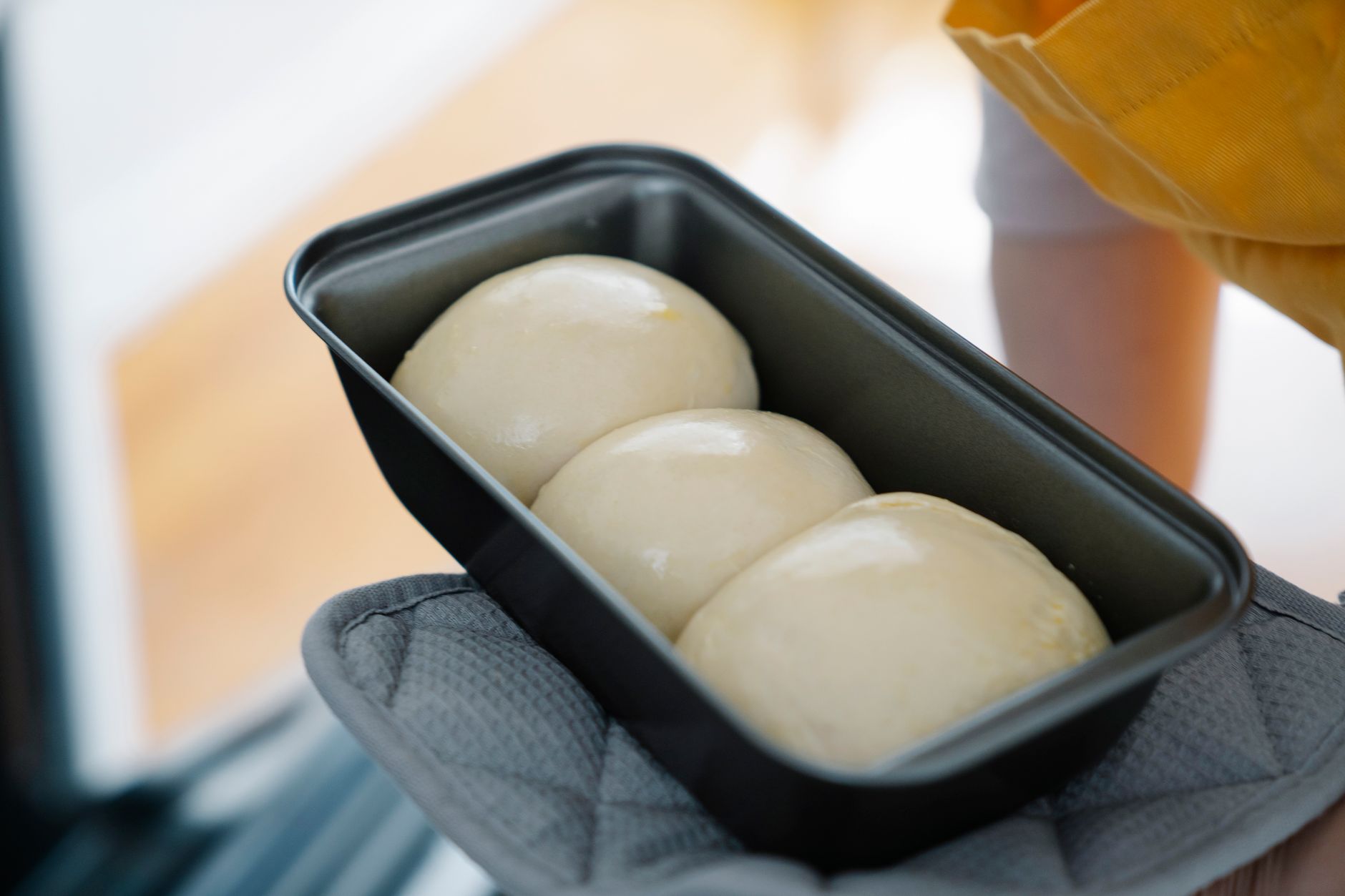
Yeast plays a crucial role in many foods, especially in the world of baking and fermentation. This single-celled fungus, known for its ability to ferment sugars into carbon dioxide and alcohol, not only aids in bread-making but also contributes unique flavors and textures to various dishes. Understanding what foods contain yeast can help you make informed choices in your cooking and baking endeavors.
This article explores a range of foods that contain yeast, their culinary uses, and additional insights into yeast flavors and kitchen applications. From baked goods to beverages, you’ll discover how yeast enhances not only the rise of dough but also the overall taste of a wide variety of dishes.
What Foods Have Yeast?
Yeast can be found in a multitude of foods, including baked goods, fermented products, and beverages. Common items that contain yeast include:
- Breads
- Baked goods (pastries, cakes, cookies)
- Beer and wine
- Kefir and yogurt
- Fermented vegetables (such as sauerkraut and kimchi)
- Some cheeses
- Processed meat products (certain hams and sausages)
Understanding Yeast Types
Before diving deeper into specific foods, it’s beneficial to understand the types of yeast commonly used in cooking and baking. The two main types are:
- Baker’s Yeast: Used primarily in bread-making, available in active dry, instant, and fresh forms.
- Brewery Yeast: Used in brewing beer and making wine, often contributes to the flavor profile of cocktails and other beverages.
Baker’s Yeast
Baker’s yeast is the most prevalent type found in kitchens worldwide. It is typically used to leaven bread, cakes, and other baked goods, enhancing their rise and texture. Baker’s yeast ferments sugars in the dough, releasing carbon dioxide that causes the dough to expand. There are different forms, including:
- Active Dry Yeast: Dehydrated granules that require proofing in water before use.
- Instant Yeast: Fine granules that do not require proofing and can be mixed directly into flour.
- Fresh Yeast: Often found in bakeries, this yeast is moist and has a short shelf life, providing robust leavening power.
Brewery Yeast
Brewery yeast is primarily used in the production of beer and wine. It plays a crucial role in fermentation, converting sugars into alcohol and carbon dioxide. Different strains of brewery yeast impart distinct flavors, making it a vital ingredient in creating various beer typologies and fine wines. Common sources of brewery yeast include:
- Saison yeast (for farmhouse ales)
- Belgian yeast strains (for fruity, spicy beers)
- Lager yeast (for crisp lagers)
Common Foods and Their Uses of Yeast
Breads
Bread is perhaps the most well-known food that features yeast as a central ingredient. Yeast transforms simple ingredients like flour, water, and salt into an airy, flavorful loaf. The fermentation process not only helps the dough rise but also contributes to the complex flavors developing during baking. Types of breads with yeast include:
- White Bread: Soft texture and mild flavor.
- Whole Wheat Bread: Heartier texture and a more robust flavor.
- Sourdough: Uses wild yeast and lactobacilli for a tangy flavor. This type of bread presents a longer fermentation and unique flavor profiles.
Baked Goods
Beyond bread, many baked goods utilize yeast to achieve a desirable texture and flavor. Items such as:
- Cinnamon Rolls: Yeast-leavened dough rolls filled with cinnamon and sugar, baked to a fluffy finish.
- Pizza Dough: Yeast creates a chewy, flavorful crust for pizzas of all types.
- Doughnuts: Yeast-based doughnuts are light and airy, often fried and glazed or filled.
Fermented Foods
Fermentation is another area where yeast plays a significant role. Fermented foods not only preserve but also enhance flavors and nutritional profiles. Common examples include:
- Sauerkraut: Fermented cabbage using wild yeasts and bacteria, resulting in a tangy side dish.
- Kimchi: A spicy, fermented vegetable dish predominantly made with napa cabbage and spices.
- Kefir: A fermented dairy product containing beneficial yeasts and bacteria, often consumed as a drink.
Beverages
Yeast is key to creating various beverages, particularly alcoholic drinks. Examples include:
- Beer: Different styles utilize various yeast strains, affecting the flavor, aroma, and mouthfeel.
- Wine: Yeast converts the sugars in grapes to alcohol, shaping the wine’s taste and character.
- Mead: Fermented honey drink seasoned with fruits, herbs, or spices.
Cheeses
Some cheeses, especially those with a washed rind, may utilize yeast in the aging process, contributing to their characteristic flavor profiles and aromas. Cheeses such as:
- Brie: Yeast plays a role in developing the rind and adding depth to the flavor.
- Camembert: Similar to Brie, it relies on yeast in its maturation for texture and taste.
Processed Meats
Surprisingly, yeast can also be present in some processed meats. It is often used in the fermentation of certain sausage recipes, lending a distinct flavor. For instance:
- Salami: Yeast and bacteria work together in the fermentation process, which adds flavor and helps in preservation.
- Provolone Salami: Another example of a meat that may include yeast in its production.
Flavor and Texture Insights
The presence of yeast not only helps with the leavening and fermentation processes but also affects the flavor and texture of foods. Yeast can impart a variety of flavors ranging from sweet and fruity to nutty and earthy, often enhancing the final product’s complexity.
In baked goods, the fermentation process unlocks various flavor compounds that contribute to a pleasantly tangy taste, particularly in sourdough. The presence of yeast also results in a light and airy texture, crucial for achieving the desired crumb in breads and pastries.
Practical Kitchen Uses of Yeast
Understanding how to work with yeast can elevate your cooking and baking experience. Here are some practical tips and techniques for using yeast in the kitchen:
Proofing Yeast
When utilizing active dry yeast, proofing is critical for ensuring that the yeast is alive and capable of leavening your dough. To proof yeast:
- Heat some water to about 100°F to 110°F (38°C to 43°C).
- Add a small amount of sugar to the water, which will help the yeast activate.
- Sprinkle the yeast over the water and let it sit for 5-10 minutes until it becomes foamy.
Kneading Dough
Kneading is essential for activating gluten and allowing the dough to develop structure. To knead effectively:
- Place the dough on a floured surface.
- Push the dough with the palms of your hands, folding it repeatedly for about 8-10 minutes.
- The dough should become smooth and elastic.
Controlling Temperature
Yeast is sensitive to temperature. Too much heat can kill the yeast, while too cold can inhibit its activity. A comfortable environment for yeast activation is around room temperature (70°F or 21°C). If dough is rising too slowly, consider a warmer spot, like near an oven or in a sunny kitchen corner.
Identifying Common Mistakes
When working with yeast, it’s easy to make some common mistakes. Here are a few pitfalls to watch out for:
- Using expired yeast: Always check the expiration date on packets.
- Incorrect water temperature: Too hot or too cold can ruin the yeast activation process.
- Not allowing enough rising time: Patience is key with yeast dough; insufficient rising can affect the texture and flavor.
Substitutions and Variations
There are occasions when you may need to substitute yeast in your recipes. Here are some options and their implications:
- Baking Powder: Can be used for quicker breads. It won’t provide the same flavor complexity or texture but ensures leavening.
- Sourdough Starter: A natural alternative to commercial yeast, notable for enhancing flavor but requiring a longer fermentation time.
- Commercial Yeast Varieties: Instant yeast can replace active dry yeast on a 1:1 basis, though it does not require proofing.
Storage Tips for Yeast
Correct storage of yeast is essential for maintaining its potency. Here are some tips:
- Store unopened yeast in a cool, dry place, away from heat and moisture.
- Once opened, transfer the yeast to an airtight container and refrigerate to extend its shelf life.
- Always check for signs of fermentation before using, especially if yeast has been stored for an extended period.
Wrapping Up
Yeast is an essential ingredient that enriches a wide variety of foods, enhancing both flavor and texture. From the simple loaf of bread to complex fermented dishes and beverages, understanding how to harness the power of yeast enables diverse culinary creativity. Familiarizing yourself with the different types, storage methods, and proper usage techniques will enhance your baking and cooking skills significantly.
As you explore the world of yeast in your culinary practice, consider diving into related foods or techniques such as sourdough culture creation or more intricate pastry recipes. Next, you might want to learn how to create your own sourdough bread or perfect the art of making sourdough baguettes. Happy baking!