
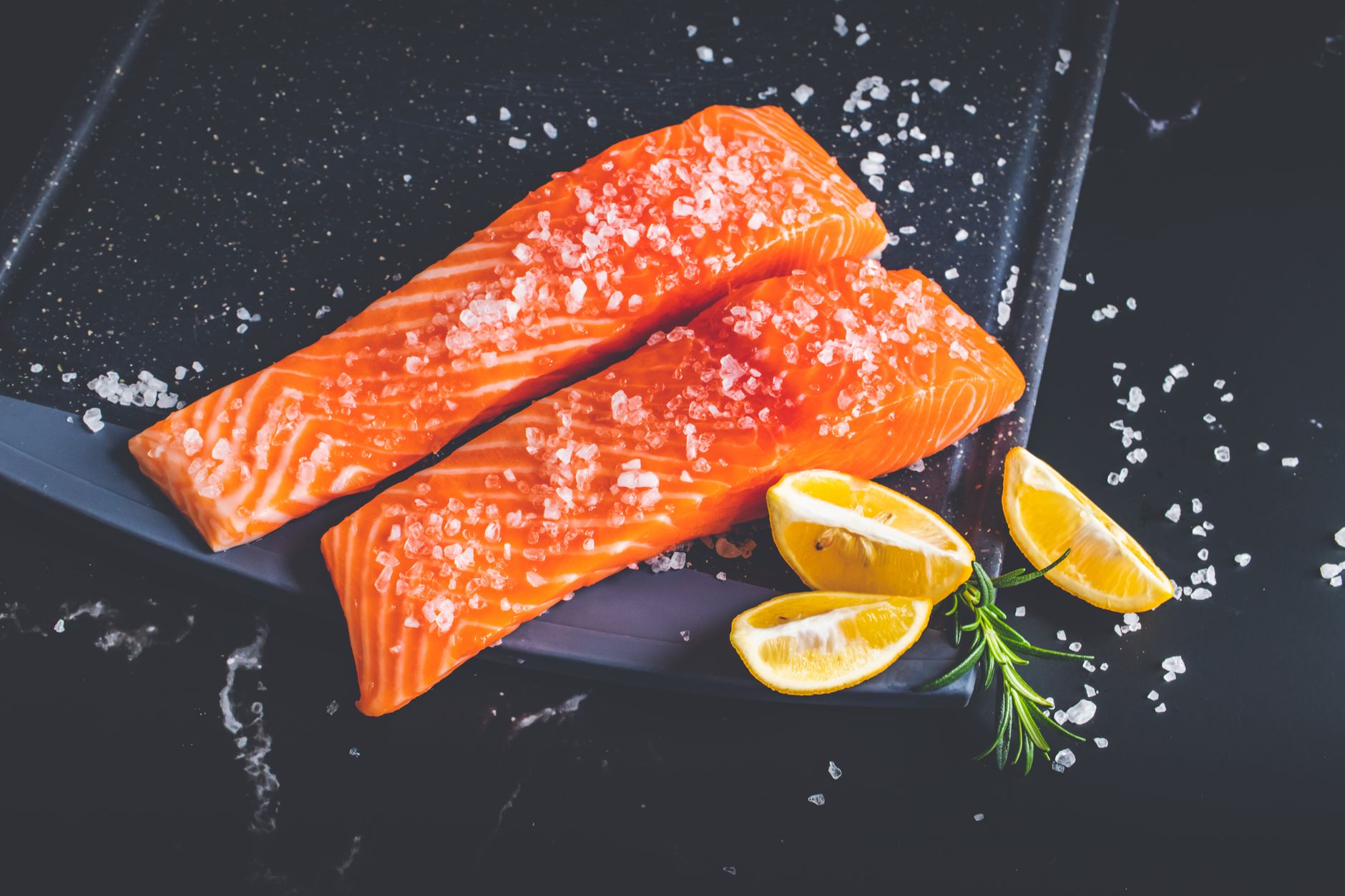
Salmon is a versatile and flavorful fish loved by many for its rich taste and health benefits. Knowing what seasonings to put on salmon can elevate a simple dish into a gourmet meal. With the right combination of herbs, spices, and marinades, you can enhance the natural flavors of salmon while matching it to a variety of cuisines.
This guide explores a variety of seasonings and their uses on salmon, providing practical tips for transforming this popular fish into a culinary delight for any occasion.
What Seasonings to Put on Salmon?
When preparing salmon, a wide range of seasonings can be used to complement its rich flavor. Common choices include herbs, spices, citrus, and sauces. The right combination depends on your cooking method, dietary preferences, and the desired flavor profile.
Popular Seasonings for Salmon
1. Herbs
Herbs bring freshness and brightness to salmon dishes. Here are some popular herb selections:
- Dill: A classic pairing, dill enhances the natural taste of salmon with its slightly sweet, grassy flavor. It’s perfect for baked or grilled salmon.
- Parsley: Fresh parsley adds a herby note and a splash of color. Use it as a garnish or mix it into marinades.
- Thyme: Earthy and aromatic, thyme can be used fresh or dried. It works wonderfully with roasted and grilled salmon.
- Oregano: This herb provides a robust flavor, especially in Mediterranean-style dishes. It’s suitable for marinades and dry rubs.
- Basil: Fresh basil adds unexpected sweetness and flavor. Use it in sauces or as a topping for grilled salmon.
2. Spices
Spices can add depth and complexity to salmon. Here are some popular options:
- Paprika: Whether sweet or smoked, paprika gives salmon a beautiful color and rich flavor, great for grill or bake recipes.
- Cumin: Warm and earthy, cumin can provide a nice depth when combined with citrus or hot spices, particularly in Tex-Mex or Middle Eastern dishes.
- Cayenne Pepper: For those who enjoy heat, a pinch of cayenne pepper can elevate the flavor profile of salmon to a new level.
- Garlic Powder: Garlic powder adds umami and aroma without the moisture of fresh garlic. It’s ideal for dry rubs.
- Black Pepper: A staple seasoning, freshly cracked black pepper brings warmth and a mild bite to any salmon dish.
3. Citrus
Citrus fruits add brightness and acidity, helping to balance the richness of salmon:
- Lemon: Lemon zest and juice are fantastic for marinades and sauces. They brighten flavors and enhance the overall taste of the dish.
- Lime: Lime offers a slightly sweeter profile than lemon. It’s excellent in tropical marinades or with Asian flavors.
- Orange: Orange can add sweetness and an aromatic quality to salmon; use both zest and juice to get the best flavor.
4. Sauces
Sauces can deliver flavor in a convenient and delicious way:
- Soy Sauce: This umami-rich ingredient is perfect for marinades, especially in Asian-style dishes.
- Teriyaki Sauce: Teriyaki combines sweetness and umami, ideal for grilling or glazing salmon.
- Mustard: Mustard adds tanginess; use it in marinades or as a glaze for roasting.
- Honey: Honey can provide sweetness and caramelization when used in glazes.
- Barbecue Sauce: For a smoky, sweet flavor, barbecue sauce can turn salmon into a crowd-pleaser.
Combining Seasonings
To achieve a unique flavor profile, combine different seasonings. Here’s how to mix and match:
1. Mediterranean Blend
Create a Mediterranean-style seasoning using lemon zest, oregano, thyme, and garlic. Marinate your salmon for at least 30 minutes before grilling.
2. Spicy Cajun Mix
Mix paprika, cayenne pepper, garlic powder, and black pepper for a Cajun rub. This makes a great seasoning for pan-searing or grilling salmon.
3. Asian Marinade
Combine soy sauce, ginger, and lime juice for a savory marinade that enhances the flavors of salmon when broiled or baked.
Cooking Techniques and Seasoning Applications
The cooking method influences how you apply seasonings to salmon. Here are some popular techniques and how to use seasonings effectively:
1. Baking
When baking salmon, season it before placing it in the oven. A simple preparation includes:
- Preheat the oven to 375°F (190°C).
- Pat the salmon dry and place it on a baking sheet.
- Use a blend of lemon zest, dill, garlic powder, and olive oil to season the fish.
- Bake for 15-20 minutes or until the flesh flakes easily with a fork.
2. Grilling
Grilling salmon can infuse it with additional smoky flavor. Seasoning methods include:
- Preheat the grill to medium-high heat.
- Brush the salmon with olive oil and rub with a Cajun mix.
- Place salmon skin-side down on the grill; cook for about 6-8 minutes before flipping.
- Cook for an additional 4-6 minutes or until flaky.
3. Pan-Searing
When pan-searing, use high heat for a nice crust. Here’s how to properly season:
- Heat a skillet over medium-high heat and add a tablespoon of oil.
- Season the salmon fillets with salt and pepper.
- Place the fillets skin-side down; sear for about 4-5 minutes until the skin is crispy.
- Flip and cook for an additional 4-5 minutes until the salmon is cooked through.
4. Broiling
Broiling is a high-heat method best suited for thin fillets. Follow these steps:
- Preheat the broiler and adjust the oven rack to the top position.
- Brush the fillets with a mixture of soy sauce, honey, and garlic.
- Place the salmon on a broiler pan and broil for about 6-10 minutes until cooked through.
Common Mistakes and Troubleshooting
Here are some common pitfalls and how to avoid them when seasoning and cooking salmon:
1. Over-Seasoning
Too many seasonings can overwhelm the delicate flavor of salmon. Always start with smaller amounts and adjust to taste.
2. Cooking at Too High Temperature
Cooking salmon at excessively high temperatures can cause it to dry out. Monitor the cooking process, especially with grilling and broiling.
3. Not Allowing Marinades to Sit
For maximum flavor infusion, allow marinades to sit for at least 30 minutes, or longer for more robust flavors.
Storage and Reheating Tips
Proper storage and reheating can help maintain the flavor of seasoned salmon.
Storage
Store cooked salmon in an airtight container and refrigerate for 3-4 days. For longer storage, consider freezing, which keeps well for up to three months.
Reheating
To reheat cooked salmon, preheat the oven to 275°F (135°C) and cover with foil to maintain moisture. Reheat for about 10-15 minutes or until warmed through.
Final Thoughts on Seasoning Salmon
Choosing the right seasonings for salmon can transform a simple dish into something remarkable. Experiment with various herbs, spices, and sauces to find your personal favorite combinations. Consider your cooking method and the complementary seasonings for the best results.
For a delightful culinary experience, don’t hesitate to incorporate layers of flavor through unique combinations of seasonings and cooking methods.
If you’re interested in enhancing your seasoning repertoire further, consider exploring recipes like a homemade lemon pepper seasoning or a delicious blackening seasoning for grilled salmon. Happy cooking!