
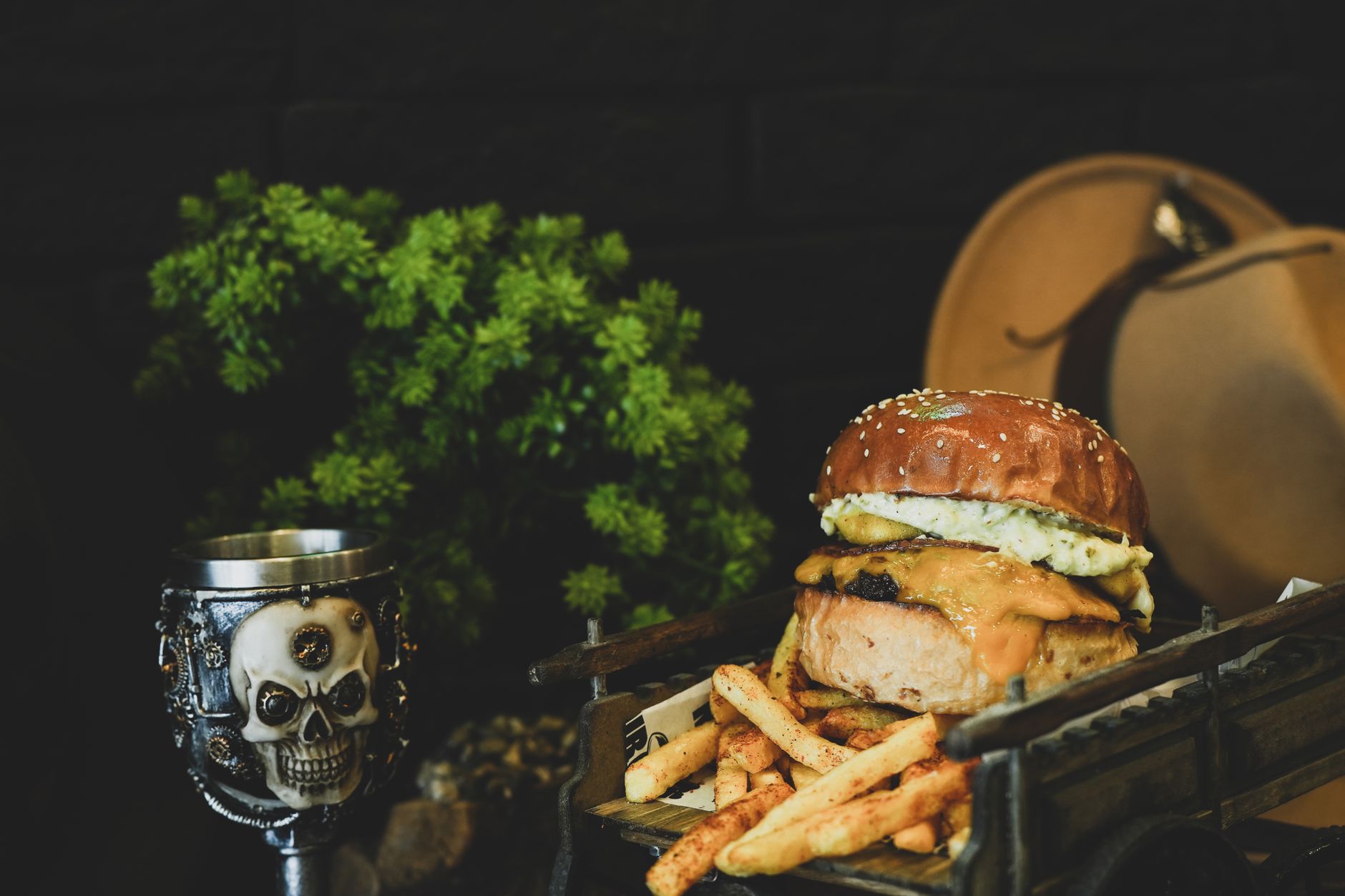
The Bear is a critically acclaimed television series that throws the spotlight on the intense world of a Chicago-based sandwich shop, focusing on the hustle and chaos of daily restaurant operations. The series not only showcases the artistry of cooking but also highlights the emotional journey of the characters involved. But what restaurant is The Bear based on? In this article, we will explore the real-life inspirations behind the show, its relevance in contemporary dining culture, and what that means for aspiring chefs and food enthusiasts.
As we dive into the culinary backdrop of The Bear, we will also discuss some essential cooking techniques, ingredients commonly featured, and how you can recreate delicious dishes from similar environments at home. Get ready to be inspired by the intricate world of gastronomy that the show embodies.
What Restaurant Is The Bear Based On?
The Bear draws inspiration from real-life Chicago restaurants, particularly in the fast-casual and fine-dining segments. Although there isn’t a single restaurant it’s based on, the show presents elements reminiscent of places like Debris, an actual sandwich shop in Chicago that is noted for its classic Italian beef sandwiches. The combination of high-energy service and deep emotional connections among the staff make these venues relevant to the narrative of The Bear.
The Cultural Context of the Restaurant Industry
The restaurant scene in Chicago provides a vibrant backdrop for The Bear, showcasing a blend of flavors, diverse culinary traditions, and a rich cultural landscape. Chicago’s dining world features everything from fine dining to eclectic food trucks, which makes it a perfect setting for storytelling focused on food. The show not only reflects the struggles and realities of running a restaurant but also serves as a commentary on the emotional stakes for the staff involved.
What Makes The Bear Unique?
The unique aspect of The Bear lies in its authentic portrayal of the restaurant industry. It offers a raw look at the behind-the-scenes operations of a bustling restaurant, all while weaving in themes of family, grief, and the pursuit of culinary excellence. The show powerfully illustrates the balancing act between artistic vision and the practical demands of running a kitchen.
Essential Cooking Techniques Inspired by The Bear
To echo the culinary expertise depicted in The Bear, understanding fundamental cooking techniques is crucial. Here are several cooking methods that are often seen in the restaurant industry and can also be practiced at home:
1. Sautéing
Sautéing is a technique where ingredients are cooked quickly in a small amount of oil or fat over high heat. It is ideal for vegetables, meats, and seafood, allowing for rich flavors while maintaining the ingredients’ textures. Here’s how to sauté:
- Heat a skillet or frying pan over medium-high heat.
- Add a couple of tablespoons of oil (like olive or vegetable oil).
- Add your ingredients, ensuring not to overcrowd the pan, which lowers the temperature.
- Stir or toss frequently until evenly cooked.
2. Braising
Braising combines cooking methods; the food is first browned at high heat, then cooked slowly in a small amount of liquid. This technique is perfect for tougher cuts of meat, as it breaks down collagen and creates tender dishes.
- Season the meat and sear in a heavy-bottomed pot until browned on all sides.
- Add a mirepoix (a mixture of onions, carrots, and celery) and cook until softened.
- Deglaze with wine or broth, scraping up any browned bits from the pot.
- Add your liquid to cover the meat halfway, bring to a simmer, and cover the pot. Cook on low heat for several hours until tender.
3. Poaching
This gentle method is often used for eggs, fish, and fruit and involves cooking in simmering liquid. Poaching preserves delicate flavors and prevents ingredients from becoming dry.
- Fill a saucepan with water or broth and bring it to just below boiling.
- Add your ingredient gently, ensuring it’s submerged.
- Cook slowly for the recommended time; for fish, this is typically 10-15 minutes depending on thickness.
Essential Ingredients Used in Restaurants
Understanding key ingredients used in restaurants can help you recreate dishes reminiscent of The Bear. Here are some staples often found in both traditional and modern kitchens:
- Herbs and Spices: Fresh herbs like basil, parsley, and cilantro add depth, while spices such as cumin and paprika bring warmth and complexity.
- Quality Proteins: Whether it’s beef, chicken, fish, or plant-based proteins, sourcing high-quality ingredients is crucial. Look for fresh, local options.
- Seasonal Vegetables: Seasonal, locally-grown vegetables elevate any dish due to their freshness. Think beyond common vegetables to discover unique varieties.
- High-grade Olive Oil: A good olive oil can often enhance flavor profiles, serving both as a cooking agent and a finishing touch.
- Grains and Legumes: Staples like rice, quinoa, and lentils provide nutrition and serve as base ingredients for meals.
A Simple Recipe Inspired by The Bear
Now, let’s put what we’ve discussed into practice. Here’s a simple yet delicious Italian beef sandwich recipe, inspired by the essence of The Bear.
Italian Beef Sandwich
This recipe yields 4 servings, with a preparation time of about 15 minutes and a cooking time of 3 hours, making the total time approximately 3 hours 15 minutes.
Ingredients
- 3 to 4 lbs beef chuck roast
- 1 tablespoon oregano
- 1 teaspoon garlic powder
- 1 teaspoon onion powder
- Salt and pepper, to taste
- 2 to 3 cups beef broth
- 1 cup sliced roasted red peppers
- 4 Italian sandwich rolls
- Provolone cheese, optional
- Hot giardiniera, for serving (optional)
Essential Equipment
- Slow cooker or Dutch oven
- Sharp knife
- Cutting board
- Measuring spoons
- Serving platter
Method
- Season the beef chuck roast with salt, pepper, oregano, garlic powder, and onion powder.
- Heat a skillet over medium-high heat and brown the roast on all sides, about 5-7 minutes total.
- Transfer it to a slow cooker or Dutch oven and add beef broth to cover the meat halfway.
- Cover and cook on low for approximately 3 hours (or until fork-tender).
- Once cooked, shred the beef with two forks and stir into the juices.
- To serve, pile the beef and juices onto a sandwich roll, top with roasted red peppers, and cheese if desired. Add hot giardiniera for extra flavor.
Practical Substitutions and Variations
If you’re looking to modify this recipe, here are some practical substitutions and variations:
- Meat Alternatives: You can use pork shoulder for a sweeter flavor or even a plant-based meat alternative for a vegetarian version.
- Broth: Substitute the beef broth with vegetable broth to keep it lighter and vegetarian-friendly.
- Peppers: For a twist, try using spicy pepperoncini instead of roasted red peppers for a kick.
- Rolls: Use whole grain rolls or gluten-free alternatives, depending on your dietary preferences.
Common Mistakes and Troubleshooting Tips
To ensure your Italian beef sandwich turns out deliciously, keep these tips in mind:
- Avoid overcooking the meat; check for tenderness periodically during the cooking process to avoid dryness.
- Monitor seasoning levels, particularly the salt; the broth may already contain salt, so adjust according to your taste preferences.
- Letting the meat rest for 10-15 minutes before shredding can enhance its juiciness.
Storage and Reheating Guidance
If you have leftovers, here’s how to store and reheat them:
- Cool the beef mixture to room temperature before placing it in an airtight container and refrigerating it for up to 3-4 days.
- For longer storage, freeze the mixture for up to 3 months. Thaw in the refrigerator overnight before reheating.
- To reheat, warm the mixture gently on the stove over low heat or in the microwave until heated through.
Exploring the Restaurant Scene Further
The Bear not only entertains but also educates viewers about the realities of restaurant life. It’s important to explore and appreciate the local dining scene. Visit locally owned establishments, understand their menus, and learn about the chef’s inspirations. This can elevate your cooking journey and deepen your culinary knowledge.
Engaging with your local food community is vital, whether through cooking classes, tasting events, or restaurant visits. Additionally, understanding the sources of your ingredients adds depth to your cooking and connects you with your environment, similar to the characters in The Bear.
The world inspired by The Bear teaches valuable lessons in perseverance, passion, and the notion that food is more than just sustenance—it’s often intertwined with culture, memories, and emotions. By immersing yourself in this culinary world, you can develop your own style and approach to cooking, one that reflects both your personal tastes and inspirations drawn from notable restaurants.
Now is a great time to start practicing some of these techniques and recipes in your kitchen. Explore your local markets, experiment with different ingredients, and connect with your culinary roots. Happy cooking!
For more practical cooking tips and recipes, feel free to explore related themes and cooking guides that can enhance your culinary skills.