
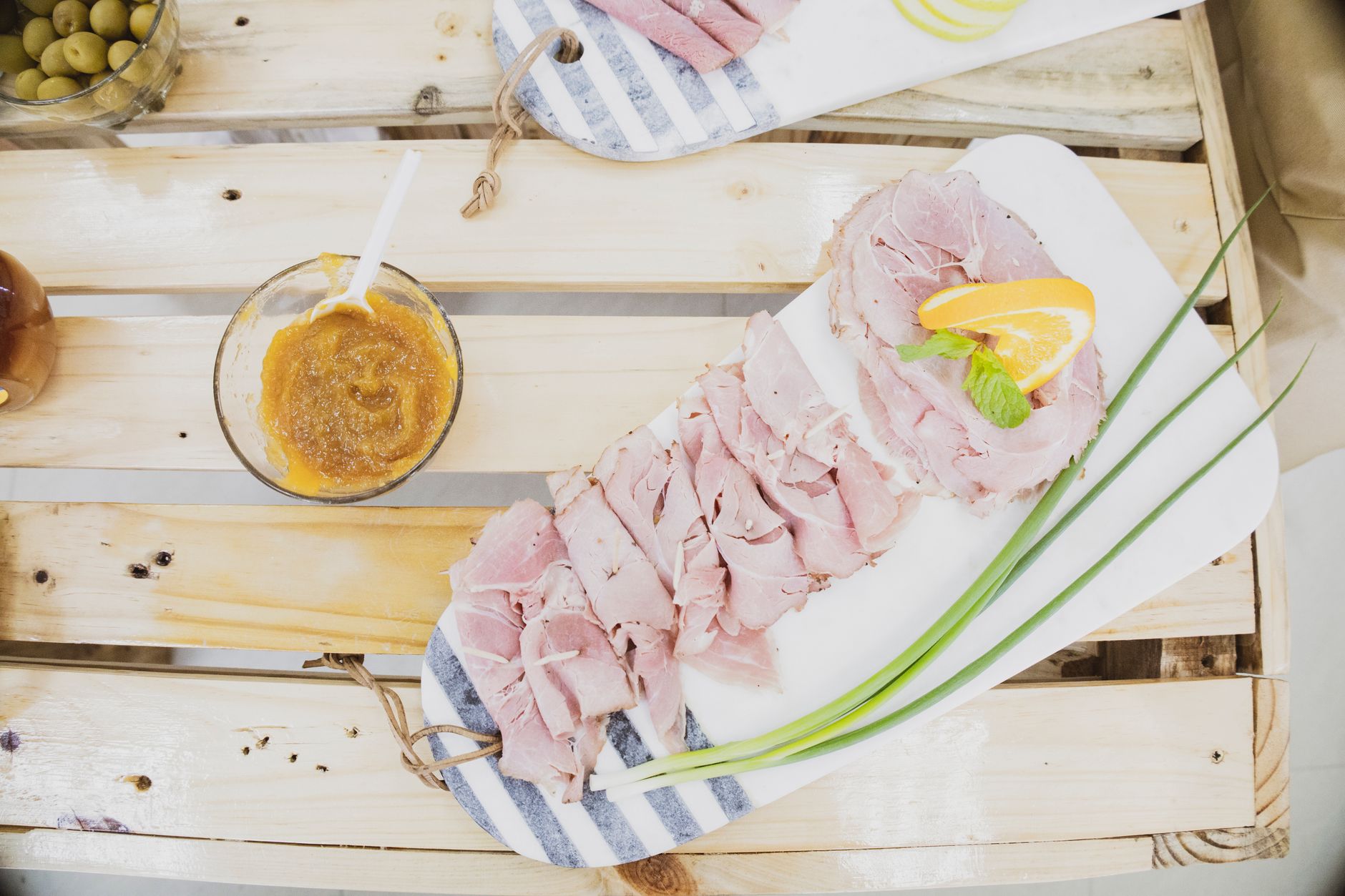
When it comes to understanding where ham comes from, many people often wonder about the specifics of this beloved meat. Ham has a rich flavor and versatile texture that makes it a popular choice for various dishes. Knowing which part of the pig is used for ham enhances not just culinary knowledge but can also inform your choices at the butcher or grocery store.
This article explores the anatomy of the pig in relation to ham, discusses its production, and shares different types of ham, along with preparation and cooking tips. If you’ve ever pondered what part of the pig is ham, you’re in the right place!
What Part Of The Pig Is Ham?
Ham comes from the hind leg of the pig. More specifically, it includes the hip, the butt, and the thigh. After the pig is slaughtered, these parts can be preserved through various methods, including curing and smoking, leading to the flavorful ham we enjoy.
To fully grasp where ham comes from, it’s helpful to understand the basic anatomy of a pig. Below are some of the key parts:
- Shoulder: Located at the front, this section includes shoulder roasts and butt cuts.
- Loin: This area is where pork chops and tenderloins are sourced.
- Belly: The source of bacon, this section is rich in fat.
- Hind Leg: The hind leg is divided into two main parts, the ham (the area of interest) and the shank.
Ham Production Process
The process of producing ham involves several steps, from selecting the right cut to curing. Here’s how it works:
Curing Methods
Curing is a method used to preserve meat, and it can also enhance its flavor and texture. There are two primary types of curing:
- Dry Curing: Involves rubbing the meat with a mixture of salt and spices, allowing it to cure for weeks or months. This method allows the meat to retain moisture and flavor while developing a firm texture.
- Wet Curing: Also known as brining, this method involves soaking the ham in a saltwater solution. This method results in a juicier ham and is often used in commercial production.
Smoking
After curing, many hams are smoked to enhance flavor. The smoking process adds complexity to the ham’s flavor and can create a beautiful color. Different types of wood can be used in the smoking process, each imparting unique flavors.
Types of Ham
There are many types of ham available, each with its own distinct flavor profile, texture, and method of preparation. Here are some popular varieties:
Prosciutto
This Italian dry-cured ham is thinly sliced and served uncooked. It has a delicate texture and a rich, savory flavor. Prosciutto is often enjoyed with fruits or wrapped around other ingredients, such as asparagus.
Virginia Ham
Virginia ham refers to a specific style of country ham that is salt-cured and dry-aged. It has a robust, salty flavor and can be served sliced or used in cooking.
Smithfield Ham
Originating from Virginia, Smithfield ham is a well-known variety recognized for its sweetness and intense flavor. It is traditionally cured with a mixture of salt and sugar and is aged for at least six months.
Hulatee Ham
This is a less known but flavorful ham that can be found in certain cuisines. It is typically sweeter and less salty compared to other varieties, making it a unique choice for various dishes.
Cooking Tips for Ham
Whether you’re preparing a whole ham or slices, here are some essential cooking tips to ensure delicious results:
Choosing the Right Ham
When selecting ham, consider whether you want a whole ham or sliced. Whole hams are ideal for special occasions and feed a larger group, while sliced hams are convenient for everyday meals. Look for meat that feels firm and has a pleasing aroma.
Cooking Methods
Ham can be cooked using several methods, depending on the cut and style. Here are a few popular options:
- Baking: Preheat your oven to 325°F (165°C). Score the surface of the ham, and apply a glaze if desired. Bake until the internal temperature reaches 145°F (63°C) using a food thermometer.
- Grilling: Sliced or small hams can be grilled for a smoky flavor. Preheat the grill to medium heat and cook until heated through, turning occasionally.
- Slow Cooking: A slow cooker can be an excellent method for cooking ham, particularly for glazed varieties. Set the slow cooker on low for several hours until the meat is tender and flavorful.
Common Mistakes When Cooking Ham
Here are some common pitfalls and how to avoid them:
- Cooking ham too quickly can lead to dryness. Always use a reliable thermometer to prevent overcooking.
- Not allowing the ham to rest after cooking may cause juices to run out when sliced. Let it rest for at least 15 minutes before serving.
Serving Suggestions
Ham can be served in countless ways. Here are a few ideas to get you started:
- Sandwiches: Thinly sliced ham works perfectly for sandwiches. Combine with fresh greens, mustard, and cheese for a satisfying meal.
- Salads: Add diced ham to salads for added protein. It pairs well with fruit like apples or pears.
- Breakfast Dishes: Incorporate ham into breakfast casseroles or frittatas for a hearty morning meal.
Storing and Reheating Ham
Proper storage of ham is essential to maintain flavor and prevent spoilage:
Storage
- Whole, uncooked ham can be stored in the refrigerator for up to a week.
- Cooked ham should be wrapped tightly and can last in the fridge for about three to five days.
- For longer storage, freeze sliced or whole ham in airtight packaging. Frozen ham can last for up to six months.
Reheating
To reheat cooked ham, it’s best to do so gently to prevent drying out:
- Cover the ham with foil and heat in a preheated oven at 325°F (165°C) until warmed through.
- Microwave reheating is possible but should be done in short intervals, checking frequently to avoid hot spots.
Conclusion
Understanding what part of the pig is ham not only enriches your culinary knowledge but also enhances your cooking and meal planning. The hind leg from where it originates is essential for producing the flavorful ham we enjoy in various dishes. With this knowledge, you can confidently choose, prepare, and serve ham for any occasion.
Explore more about delicious ham recipes with our spiral ham recipe or try out a crockpot ham recipe for easy cooking. Happy cooking!