
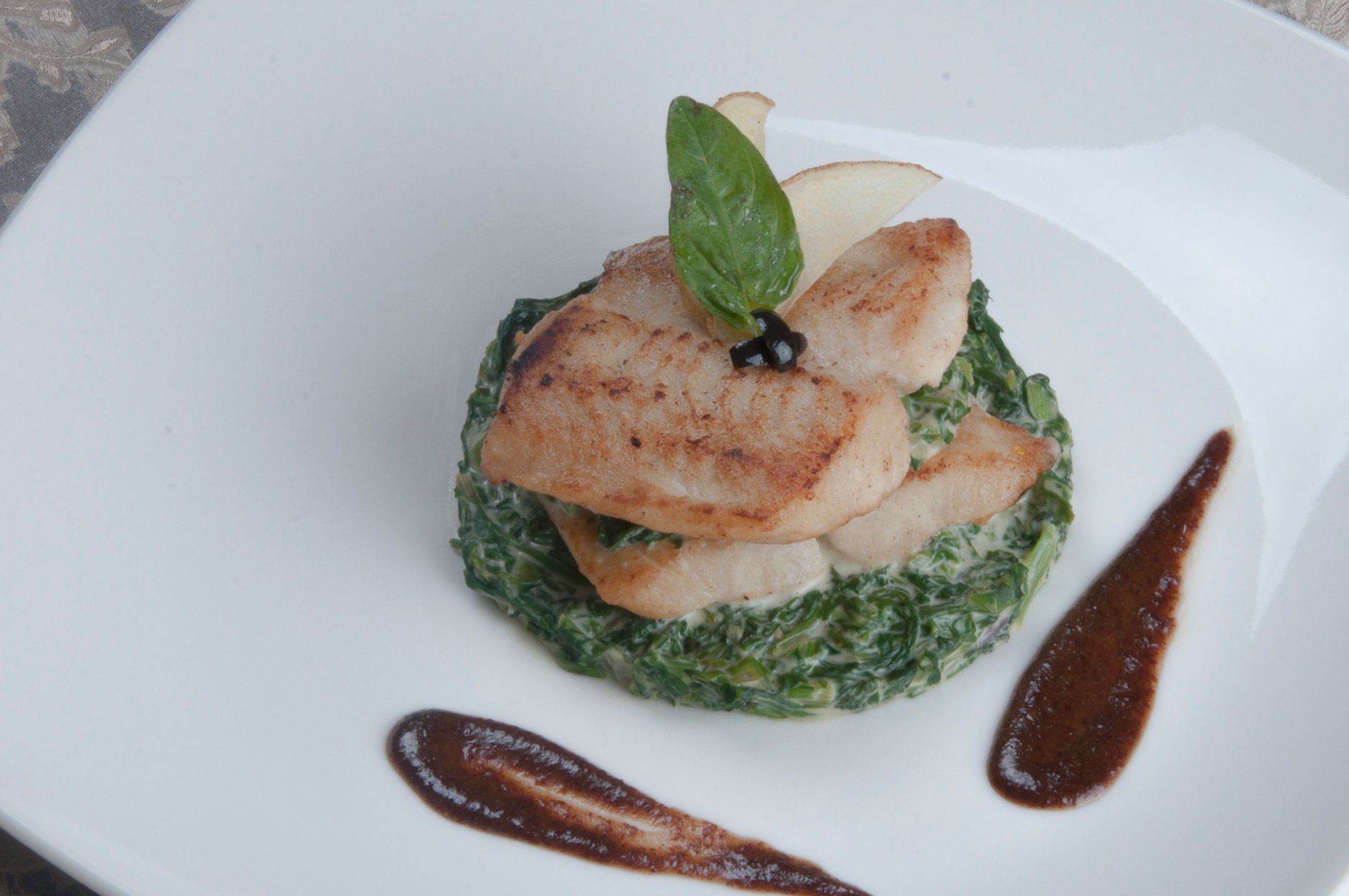
Catfish is a popular fish known for its mild flavor and versatility in various dishes. It not only makes a great meal option but also offers several health benefits that are beneficial for a balanced diet. Understanding the nutritional value and culinary uses of catfish can help you decide if it’s a good fit for your meals.
This article will explore the health aspects of catfish, its preparation methods, potential benefits, and how to incorporate it into your diet effectively.
Is Catfish Good For You?
Yes, catfish is good for you. It is a nutritious source of lean protein, omega-3 fatty acids, vitamins, and minerals that can be part of a healthy diet. However, like all seafood, quality and cooking methods are crucial for maximizing its health benefits.
Nutritional Profile of Catfish
Catfish is a nutrient-dense food that can contribute positively to your overall dietary intake. Here’s a detailed breakdown of its nutritional profile:
| Nutrient | Amount per 100g Serving |
|---|---|
| Calories | 105 |
| Protein | 20.0g |
| Fat | 4.0g |
| Omega-3 Fatty Acids | 0.2g |
| Vitamin B12 | 2.5µg (42% DV) |
| Selenium | 34µg (49% DV) |
| Potassium | 288mg (8% DV) |
Health Benefits of Catfish
Including catfish in your diet can confer various health benefits:
1. High-Quality Protein Source
Catfish is an excellent source of protein, which is essential for muscle growth and repair, immune function, and overall health. Lean protein sources like catfish can help support a balanced diet while maintaining a healthy weight.
2. Rich in Vitamins and Minerals
This fish provides significant amounts of essential nutrients such as Vitamin B12 and selenium. Vitamin B12 is crucial for nerve function and the production of DNA and red blood cells, while selenium acts as an antioxidant that helps combat oxidative stress in the body.
3. Omega-3 Fatty Acids
While catfish includes lower levels of omega-3 fatty acids compared to fatty fish like salmon, it still contributes beneficial fats, which are known to support heart health and reduce inflammation.
4. Low in Calories
Catfish is low in calories, making it a smart choice for those looking to maintain or lose weight. Incorporating catfish into meals can fulfill protein needs without excessive caloric intake.
Choosing and Preparing Catfish
When selecting catfish, consider quality, freshness, and sustainability. Here are key points to ensure you choose the best fish:
- Freshness: Look for firm, clear-eyed fish. The flesh should spring back when touched and have a mild, fresh scent.
- Sustainability: Consider fish that are farm-raised environmentally responsibly. Marks or certifications from organizations can guide sustainable choices.
- Type: Catfish can come from various sources like freshwater or saltwater. Freshwater catfish is predominantly what is available commercially.
Cooking Techniques for Catfish
Catfish can be prepared using various cooking methods. Here are some popular techniques that enhance its flavor while keeping it healthy:
1. Grilling
Grilling adds a delicious smoky flavor to the catfish. Use direct heat and grill until the fish flakes easily. This method is health-conscious, requiring minimal added fats.
2. Baking
Baking catfish in the oven is a simple and healthful way to prepare it. Preheat your oven to 375°F (190°C), place the seasoned catfish in a baking dish, and bake for 20-25 minutes, or until it reaches an internal temperature of 145°F (63°C).
3. Pan-Frying
If you prefer a crispy texture, pan-frying catfish can be delicious. Use a moderate amount of oil and ensure the oil is hot before adding the fish. Cook for about 4-5 minutes per side until golden brown.
4. Steaming
Steaming catfish preserves its moisture and tenderness, making it a healthy cooking choice. Steam for about 10-15 minutes or until cooked through.
Delicious Catfish Recipe
To inspire your cooking, here’s a simple and flavorful catfish recipe to try:
Spicy Baked Catfish
This dish pairs perfectly with a side of vegetables or a light salad.
Yield: 4 servings
Preparation Time: 10 minutes
Cooking Time: 25 minutes
Total Time: 35 minutes
Ingredients
- 4 catfish fillets (about 6 ounces each)
- 2 tablespoons olive oil
- 1 teaspoon smoked paprika
- 1 teaspoon garlic powder
- 1/2 teaspoon cayenne pepper (adjust to taste)
- 1 teaspoon salt
- 1/2 teaspoon black pepper
- Fresh lemon wedges (for serving)
Essential Equipment
- Baking sheet
- Parchment paper (optional)
- Mixing bowl
- Measuring spoons
Method
- Preheat your oven to 375°F (190°C).
- Line a baking sheet with parchment paper for easier cleanup (optional).
- In a mixing bowl, whisk together olive oil, smoked paprika, garlic powder, cayenne pepper, salt, and black pepper.
- Place the catfish fillets on a prepared baking sheet and brush both sides with the spice mixture.
- Bake the catfish in the oven for about 20-25 minutes or until the fish flakes easily with a fork and reaches an internal temperature of 145°F (63°C).
- Remove from the oven and serve hot with lemon wedges.
Variations and Substitutions
Feel free to customize your catfish dish by trying these variations:
- Herbs: Add fresh herbs like thyme, parsley, or dill to enhance flavor.
- Spice Mix: Experiment with different spice blends such as Cajun seasoning or Italian herbs.
- Cooking Method: Instead of baking, you could also grill or pan-fry the catfish for a different texture.
Common Mistakes and Troubleshooting
When cooking catfish, be mindful of these common mistakes:
- Overcooking: Be careful not to overcook the fish, as this can lead to a dry texture. Use a food thermometer to check doneness accurately.
- Insufficient Seasoning: Catfish can be mild in flavor, so do not hesitate to generously season. The spices should enhance the natural taste.
- Improper Storage: Raw catfish should be stored in the refrigerator at or below 40°F (4°C) and should be consumed within one to two days of purchase.
Storage and Reheating Guidance
If you have leftovers, follow these guidelines for safe storage and reheating:
- Store cooked catfish in an airtight container in the refrigerator for up to three days.
- Reheat in the oven at 350°F (175°C) until warmed through or in a skillet over low heat.
- Avoid reheating cooked fish in the microwave, as it can lead to a rubbery texture.
Is Catfish Sustainable?
The sustainability of catfish can vary based on how it is sourced. Farm-raised catfish, particularly from the US, often follows responsible farming practices, making it a more sustainable option compared to wild-caught alternatives. Always look for certifications from reputable organizations to guide your purchases.
Incorporating catfish into your diet can provide nutritional benefits while giving you opportunities for diverse meal preparation. Regular consumption of catfish can be a flavorful addition to your culinary repertoire.
Take a moment to assess your pantry, and consider planning a meal around catfish this week. Think about pairing it with vegetables, grains, or legumes for a complete and healthy meal. If you’d like additional cooking tips or inspiration to explore other seafood options or healthy recipes, check out our guide on healthy grilling techniques or different fish recipes.