
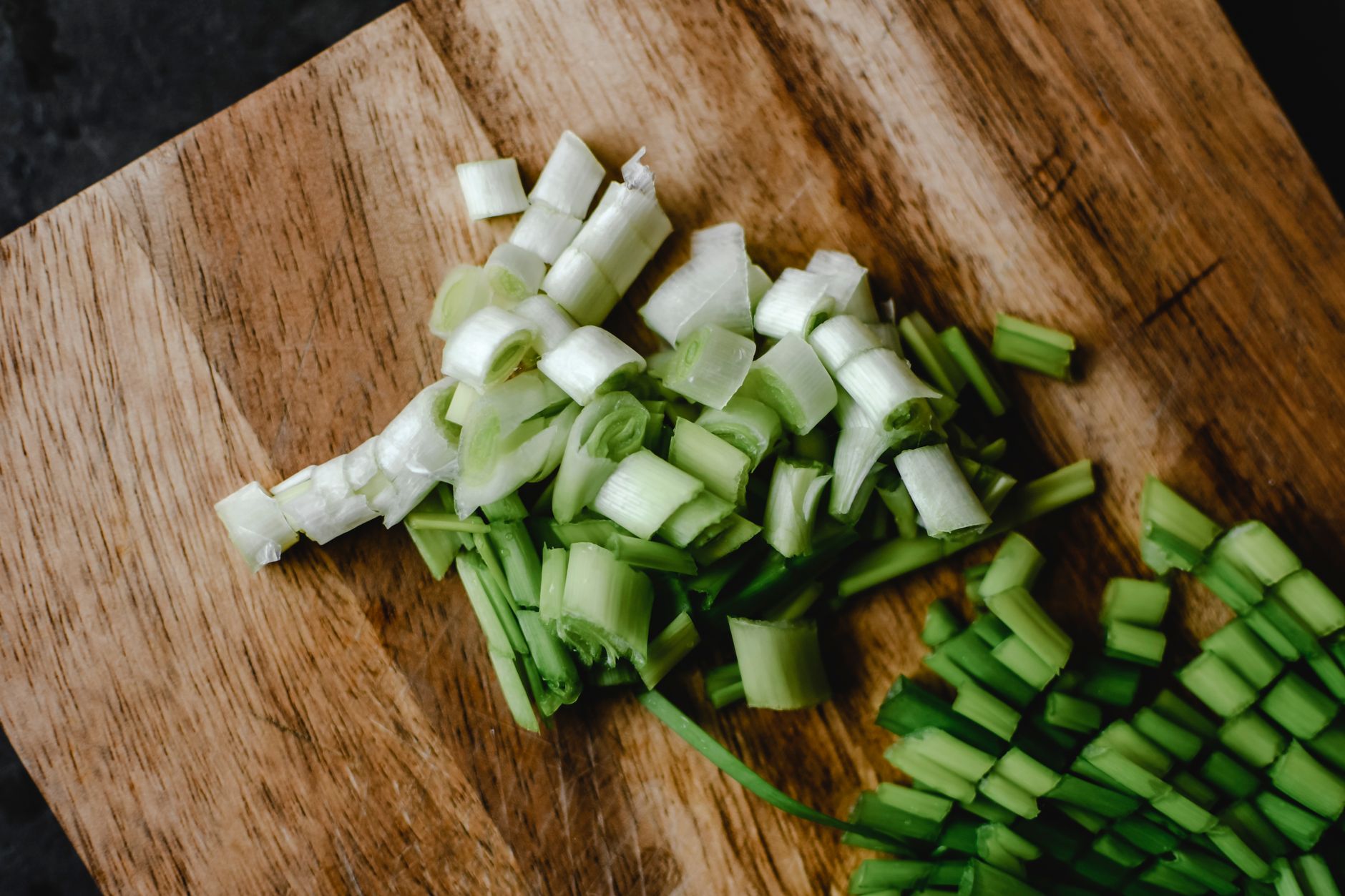
Green onions, also known as scallions or spring onions, are a versatile ingredient often used in various dishes worldwide. Understanding which part of the green onion to use can enhance the flavor and presentation of your culinary creations. This article explores the characteristics and uses of different parts of the green onion, providing practical tips for maximizing their potential.
Whether you’re preparing a salad, stir-fry, or garnish, knowing how to properly use green onions will elevate your meals. We will delve into their origins, numerous culinary applications, and essential preparation techniques to ensure that you get the most out of these flavorful alliums.
What Part of the Green Onion Do You Use?
Both the white base and the green tops of the green onion are edible and serve unique purposes in cooking. The white part tends to have a stronger flavor and is often cooked, while the green tops are milder and generally used as a fresh garnish. Understanding how to utilize both parts effectively can enhance your dishes significantly.
Origins of Green Onions
Green onions are cultivated across the globe, with roots tracing back to ancient civilizations. They belong to the Allium family, which also includes garlic, onions, and leeks. This family of vegetables is known for its health benefits and flavorful characteristics. Green onions have been used in cuisines from Asian to Mediterranean, showcasing their versatility in both raw and cooked dishes.
Distinct Characteristics of the Green Onion
Green onions consist of two primary components: the white bulb and the green stalks. Each part has distinct characteristics and uses.
- White Bulb: The bulb is more pungent and has a sharper flavor compared to the green tops. It is commonly used in cooking to add depth and richness to various dishes.
- Green Tops: The green parts offer a milder, fresh taste and are often used raw to garnish finished dishes. They also contribute a pop of color, enhancing the visual appeal of meals.
Culinary Uses for Each Part
Both parts of the green onion have versatile applications in the kitchen. Here’s how to utilize them effectively:
Using the White Bulbs
The white part of the green onion can be cooked in various ways. It can be sautéed, grilled, or roasted and is often added to dishes that benefit from a more pronounced onion flavor.
- Stir-fries: The white bulb is great for adding a strong onion flavor. Slice it thinly and sauté it at the beginning of your cooking process.
- Soups and Broths: Adding chopped white bulbs to soups lends a robust taste. Consider using it in dishes like ramen or chicken soup.
- Salads: Finely dice the white part to add crunch and flavor to salads, coleslaws, or potato salads.
Using the Green Tops
The green tops of the green onion are ideal for adding brightness, freshness, and a mild onion flavor. They can be used in various applications:
- Garnishes: Sprinkle chopped green tops over dishes like tacos, baked potatoes, or soups for a burst of color and flavor.
- Raw in Salads: Add sliced green tops to salads for a refreshing crunch. They pair well with other vegetables and dressings.
- In Salsas and Dips: Incorporate finely chopped green tops into salsas, guacamole, or dips for an added layer of flavor.
Preparation Techniques
Proper preparation of green onions can elevate their flavor and presentation. Here are some techniques to consider:
Washing and Organizing
- Begin by rinsing the green onions under cold water to remove any dirt or grit.
- Gently pat them dry with a clean kitchen towel or let them air dry.
- Trim off any wilted ends or roots from the bulbs, and slice them according to your cooking needs.
Cutting Techniques
Different cutting techniques can affect the final presentation and flavor release:
- Chop: Dice the white bulb finely for a strong onion flavor in cooked dishes.
- Slice: Cut the green tops into thin rings for garnishing, or into larger pieces when included in stir-fries.
- Chiffonade: For a decorative touch, stack the green tops, roll them tightly, and slice thinly to create ribbons.
Flavor Pairings
Green onions are incredibly versatile and can be paired with a variety of ingredients. Here are some suggestions:
- Proteins: They pair well with chicken, fish, beef, and tofu. Use them in marinades or as a topping.
- Vegetables: Green onions complement vegetables like bell peppers, carrots, and zucchini in stir-fries or roasts.
- Herbs: Combine with cilantro, parsley, or dill for a fresh flavor boost in salsas and salads.
- Spices: Use them alongside spices like chili powder, paprika, or black pepper to enhance your dishes.
Storage Tips
Storing green onions properly can prolong their freshness. Here are some effective methods:
- Refrigeration: Store green onions in the vegetable crisper drawer in a produce bag or container to extend their shelf life by up to a week.
- Water Method: For longer freshness, place the white bulbs in a glass of water, covering the roots and leaving the green tops above water. Cover with a plastic bag and store in the fridge.
Common Mistakes and How to Avoid Them
Here are some common mistakes people make when using green onions and how to prevent them:
- Choosing Wilted Onions: Always select crisp, vibrant green onions. Avoid those that appear limp or discolored.
- Using Only the Greens: Both parts are valuable. Mix and match for flavor complexity. Don’t discard the white parts!
- Improper Storage: Ensure that green onions are stored properly. Storing them tightly wrapped will cause them to spoil quickly.
Recipe Ideas Featuring Green Onions
Integrating green onions into your meal can enhance flavor and presentation. Here are a few recipe ideas where you can utilize both parts:
Simple Stir-Fried Rice
This quick dish takes advantage of green onions for flavor and color.
- 1 cup jasmine rice (cooked)
- 2 tablespoons oil
- 2 eggs (beaten)
- 1 cup mixed vegetables
- 2 green onions (both white and green parts, chopped)
- 2 tablespoons soy sauce
- Heat oil in a skillet over medium heat.
- Add beaten eggs and scramble until cooked. Remove and set aside.
- Add mixed vegetables and sauté until tender.
- Stir in cooked rice, green onions, and soy sauce. Cook until heated through.
- Fold in scrambled eggs before serving. Enjoy!
Classic Green Onion Dip
A versatile dip that highlights the freshness of green onions:
- 1 cup sour cream
- 1/2 cup mayonnaise
- 1/2 cup chopped green onions (both parts)
- 1 teaspoon garlic powder
- Salt and pepper to taste
- Combine sour cream, mayonnaise, and spices in a bowl.
- Fold in the chopped green onions.
- Chill for 30 minutes to let the flavors meld. Serve with chips or veggies.
Final Thoughts
Understanding what part of the green onion to use and how can significantly enhance your cooking. Both the white and green components offer unique flavors and textures that can elevate a variety of dishes. Whether using them in salads, stir-fries, or garnishes, incorporating green onions can add depth and brightness to your meals.
If you’re inspired to explore further, check out how to prepare creamed onions or try your hand at making sautéed cabbage that complements green onions perfectly.