
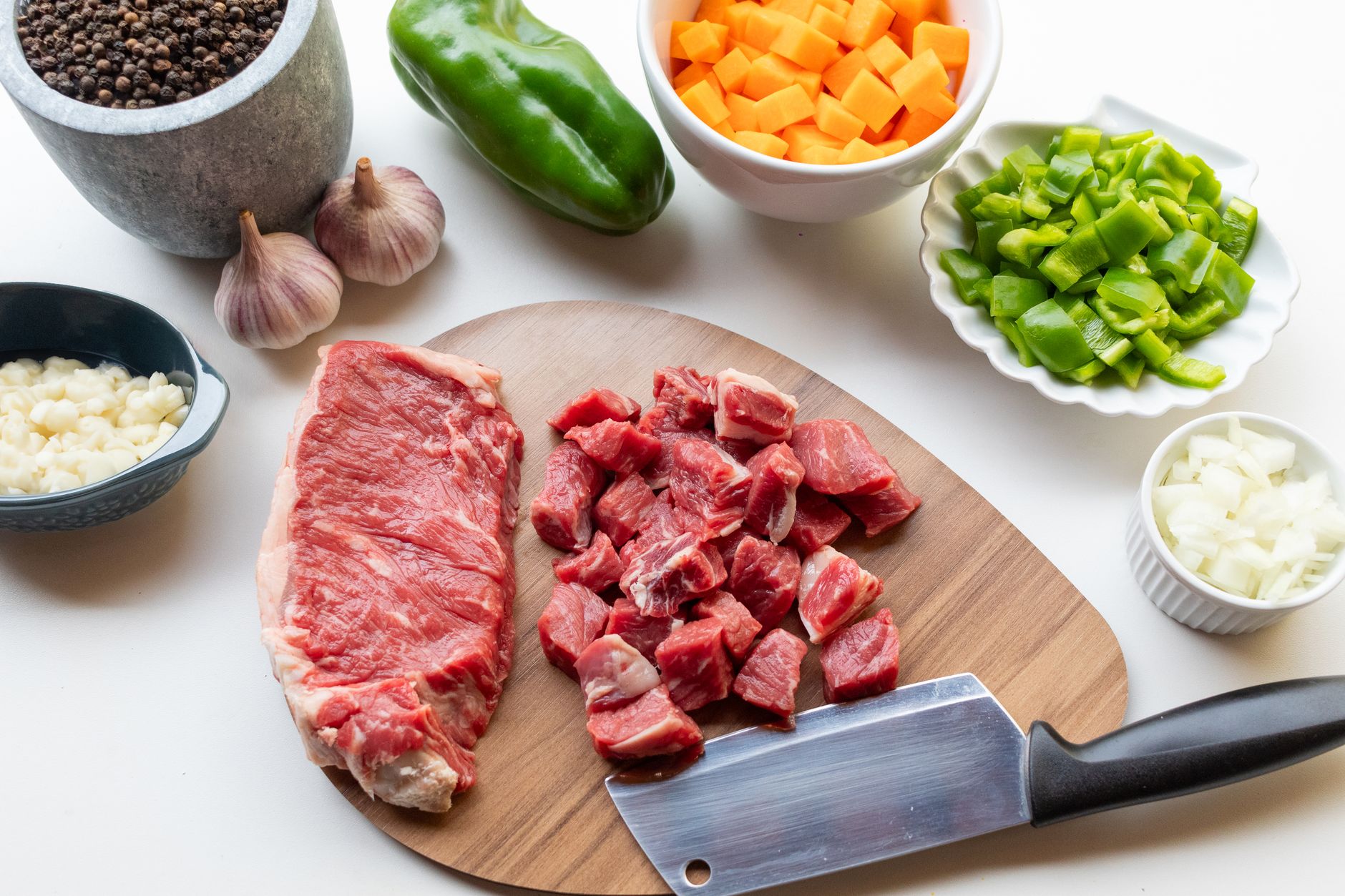
Beef stew is a warm, hearty dish that brings comfort on cold days and is a staple for many kitchens around the world. The key to achieving a rich and flavorful stew lies in the choice of meat. Understanding what cuts of beef are best suited for this slow-cooked delight can elevate your dish from ordinary to exceptional.
This article will explore the various types of meat used for beef stew, their unique characteristics, and how they contribute to the overall flavor and texture of the dish. We will also cover practical cooking tips and suggest recipes to make a delicious beef stew.
What Meat Is Used for Beef Stew?
The most common meats used for beef stew are chuck roast, brisket, short ribs, and round cuts. Each of these cuts offers different flavors and textures which can significantly affect the final dish. Let’s break down these options to help you make an informed choice.
The Best Cuts of Beef for Stew
1. Chuck Roast
Chuck roast is perhaps the most popular cut for beef stew. It comes from the shoulder area of the cow and contains a good amount of fat and connective tissue. When cooked slowly, this fat renders down, adding richness and moisture to the stew.
- Flavor: Rich and beefy.
- Texture: Tender once cooked properly; ideal for shredding.
2. Brisket
Brisket is another excellent choice, coming from the chest area. It typically has a stronger flavor and a higher fat content, which can enrich the broth even further.
- Flavor: Deep and bold; has a slightly smoky note when cooked.
- Texture: Becomes very tender; can handle long cooking times.
3. Short Ribs
Short ribs provide a unique flavor and a gelatinous texture when cooked. They can add a luxurious mouthfeel to your beef stew.
- Flavor: Rich and beefy with a good depth of flavor.
- Texture: Tender and luscious; works well for special occasions.
4. Round Cuts
As a more affordable option, round cuts such as eye round or bottom round can also be used. While they may not be as flavorful as the other cuts, they are leaner and can work well if cooked with care.
- Flavor: Milder and not as beefy.
- Texture: Can be less tender; should be cooked carefully to avoid dryness.
Choosing the Right Cut for Your Stew
The choice of cut depends on a few factors, including budget, flavor preference, and cooking time. Chuck roast is often recommended for its balance of flavor, tenderness, and price. If you are preparing a special occasion meal, consider using short ribs or brisket to impress your guests.
How to Prepare Your Beef for Stew
Once you have selected your preferred cut of beef, proper preparation is essential for maximizing flavor and tenderness. Follow these steps to prepare your meat for beef stew:
- Trimming: Remove any excessive fat. While some fat enhances flavor, large chunks can make the stew greasy.
- Cubing: Cut the meat into uniform cubes, approximately 1 to 1.5 inches. This helps ensure even cooking.
- Seasoning: Generously season with salt and pepper before browning to enhance the meat’s natural flavor.
- Browning: Sear the beef cubes in a hot pan with a little oil to develop a nice crust. This step builds complexity in flavor.
Essential Ingredients for Beef Stew
In addition to the main meat component, a traditional beef stew includes several other essential ingredients that complement the meat:
- Vegetables: Onions, carrots, and potatoes are classic choices. They absorb the flavors from the meat while adding their own sweetness and texture.
- Liquid: Beef broth or stock is the best option, but you can add red wine for depth and acidity.
- Herbs and Spices: Bay leaves, thyme, and parsley are commonly used to flavor the stew. Garlic and peppercorns can add additional complexity.
- Thickening agent: Flour or cornstarch can be used if you prefer a thicker broth.
How to Make Beef Stew: A Step-by-Step Guide
For those ready to put their newly gained knowledge into action, here’s a simple beef stew recipe you can follow:
Beef Stew Recipe
Ingredients
- 2-3 lbs beef chuck roast, cut into 1-inch cubes
- 3 tablespoons vegetable oil
- 1 large onion, chopped
- 4 carrots, sliced
- 4 medium potatoes, peeled and cubed
- 4 cups beef broth
- 1 cup red wine (optional)
- 3 cloves garlic, minced
- 2 bay leaves
- 1 teaspoon dried thyme
- Salt and pepper, to taste
- 2 tablespoons flour (for thickening)
Equipment Needed
- Large heavy-bottomed pot or Dutch oven
- Wooden spoon
- Knife
- Cutting board
- Measuring cups and spoons
Method
- In a large pot, heat the vegetable oil over medium-high heat. Season the beef cubes with salt and pepper before browning them in batches until they are evenly browned on all sides. Transfer the meat to a plate and set aside.
- In the same pot, add the chopped onions and sauté until they are translucent, about 5 minutes. Stir in the minced garlic and cook for an additional minute.
- Add the browned beef back into the pot along with the carrots and potatoes. Pour in the beef broth and red wine (if using). Scrape any browned bits off the bottom of the pot; this adds flavor.
- Add the bay leaves, thyme, and additional salt and pepper. Bring the stew to a gentle boil, then reduce the heat to low and cover. Allow it to simmer for about 2-3 hours, or until the meat is tender.
- If you prefer a thicker stew, mix the flour with a little cold water to form a slurry and stir it into the stew during the last 15 minutes of cooking.
- Remove the bay leaves before serving. Taste and adjust the seasoning if needed.
Common Mistakes to Avoid When Making Beef Stew
While beef stew is a relatively straightforward dish, certain common mistakes can detract from its overall quality. Below are tips on what to avoid:
- Skimping on Browning: Not browning the meat in batches can result in a gray rather than a rich brown color, reducing flavor.
- Adding Vegetables Too Early: Root vegetables should be added midway through the cooking process; otherwise, they might become mushy.
- Neglecting to Taste: Always taste the stew before serving; adjusting seasoning at the end can make a significant difference.
- Cooking Over High Heat: Stew should simmer slowly; cooking over high heat can make the meat tough.
Serving Suggestions for Beef Stew
Beef stew is hearty enough to be a meal on its own, but there are ways to enhance your serving experience:
- Fresh Bread: Serve with crusty bread for dipping, allowing diners to soak up the flavorful broth.
- Salad: A fresh green salad can balance the richness of the stew.
- Wine Pairing: Consider pairing with a robust red wine, such as Cabernet Sauvignon or Merlot, which complements the flavors of the stew.
Make-Ahead and Storage Tips
Making beef stew in advance can enhance its flavors, as it gets better after sitting. Here’s how to store and reheat it:
- Make-Ahead: Beef stew can be made a day or two in advance. Store it in the refrigerator after it cools to room temperature.
- Freezing: You can also freeze the stew for up to three months. To do this, allow it to cool completely and transfer it to an airtight container or freezer bag.
- Reheating: Reheat the stew on the stovetop over low heat or in the microwave until it reaches a safe temperature of 165°F.
Conclusion
Understanding the different cuts of meat used in beef stew is vital for creating a dish that warms the heart and soul. The beef chuck roast is a reliable choice for its flavor and tenderness, but options like brisket and short ribs can add gourmet flair to your preparation. Armed with this knowledge, you can create a delicious beef stew that delights family and friends alike.
For added flavor, don’t forget to check out our beef stew seasoning recipe or try a unique twist like our Mongolian ground beef. Experimenting with different ingredients can lead to delightful new variations in your stew-making journey!