
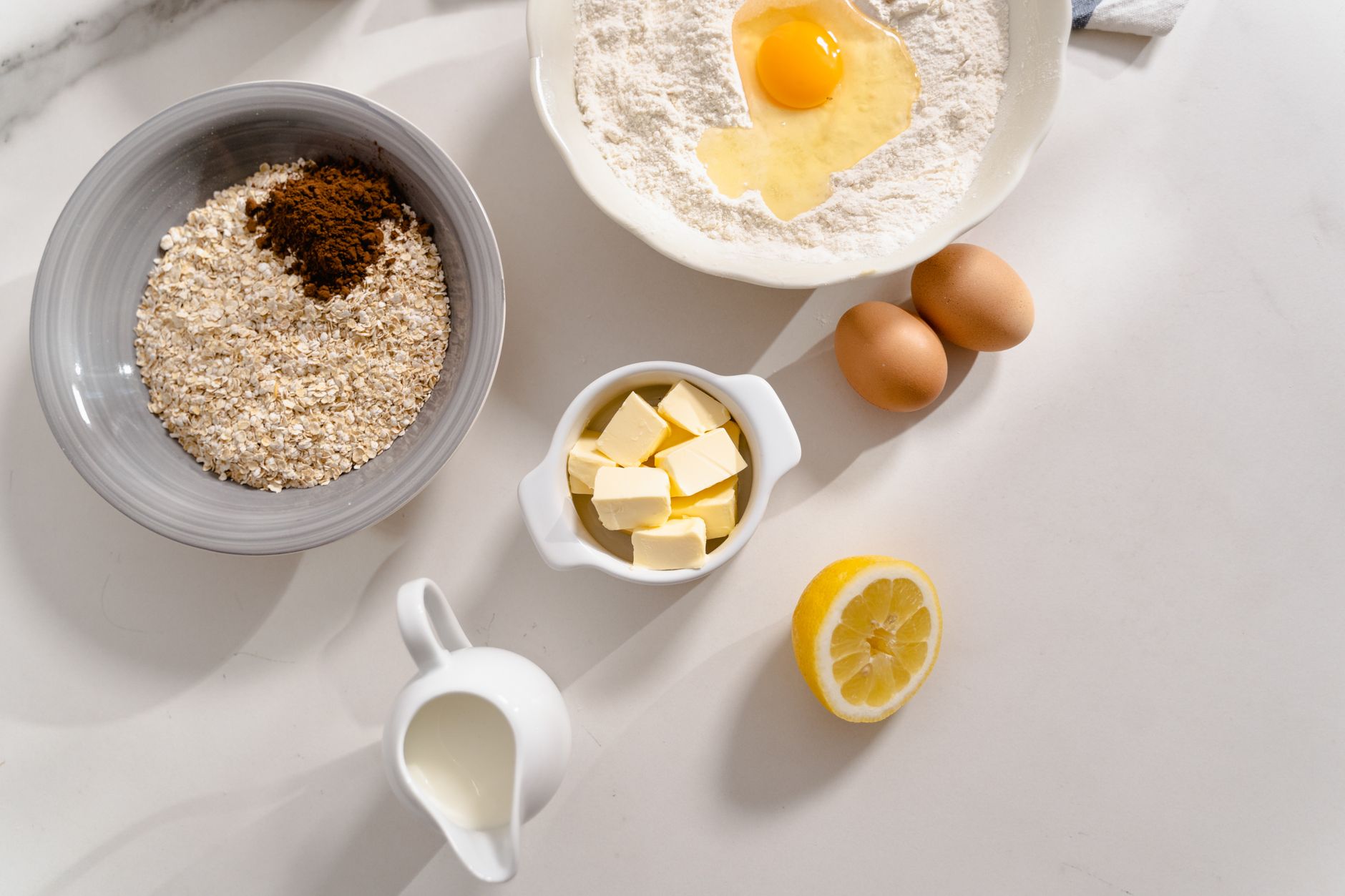
As more people focus on healthier eating habits and dietary alternatives, various types of flour have gained popularity. Oat flour, a product made from ground oats, has been touted for its nutritional benefits. But the question arises: is oat flour genuinely healthier than regular flour, such as all-purpose or whole wheat flour? This article will explore the key differences between oat flour and conventional flours, examining their nutritional profiles, culinary uses, and potential health benefits.
Understanding the distinctions between these flours can help you make informed choices for your baking and cooking needs, whether you’re incorporating more whole grains into your diet or simply experimenting with new flavors and textures.
Is Oat Flour Healthier Than Regular Flour?
In general, oat flour is considered healthier than regular flour because it is rich in fiber, vitamins, and minerals. It contains beta-glucans, which help lower cholesterol levels, and it has a lower glycemic index than many traditional flours. However, the choice depends on individual dietary needs and the specific flour type being compared.
Understanding Oat Flour
Oat flour is created by grinding whole oats into a fine powder. It retains the nutritional benefits of the whole grain, making it a popular choice for those seeking healthier baking alternatives.
Nutritional Profile of Oat Flour
Oat flour is packed with essential nutrients. Here are some key components per 100 grams:
- Calories: 389
- Protein: 16.9 grams
- Fat: 6.9 grams
- Carbohydrates: 66.3 grams
- Fiber: 8.0 grams
- Sugars: 1.2 grams
- Iron: 4.7 mg (26% DV)
- Magnesium: 138 mg (34% DV)
- Phosphorus: 410 mg (58% DV)
This profile shows oat flour as a good source of protein, fiber, and essential minerals, making it a nutritious alternative to standard flour.
Key Differences Between Oat Flour and Regular Flour
Now, let’s delve into some major differences between oat flour and regular flour types, particularly all-purpose and whole wheat flour.
1. Fiber Content
Oat flour is higher in fiber, particularly soluble fiber, which can be beneficial for digestive health and can help regulate blood sugar levels. Whole wheat flour does contain fiber, but oat flour generally has a higher fiber content overall.
2. Glycemic Index
The glycemic index (GI) measures how quickly foods affect blood sugar levels. Oat flour has a lower GI than all-purpose flour, meaning it has a less dramatic impact on blood sugar after consumption. This can make oat flour a better choice for those concerned about blood sugar spikes.
3. Gluten Content
Oat flour is naturally gluten-free, making it a suitable option for those with celiac disease or gluten sensitivity. However, cross-contamination can occur during processing, so it’s essential to choose certified gluten-free oat flour if you require a gluten-free diet. In contrast, regular flours like all-purpose and whole wheat contain gluten, which provides structure in baking but may pose issues for some individuals.
4. Nutrient Density
Oat flour tends to be more nutrient-dense compared to regular flour. It is rich in antioxidants, vitamins, and minerals that contribute to overall health. Whole wheat flour is also nutritious but may not match the antioxidant properties of oat flour.
Culinary Uses of Oat Flour
Oat flour can be used in various recipes, from baked goods to sauces. Here are some popular culinary applications:
Baking
Due to its unique flavor and texture, oat flour adds a hearty quality to baked goods. It works well in:
- Pancakes
- Cookies
- Breads
- Muffins
For best results in baking, you can often substitute oat flour for up to 25-30% of the regular flour in recipes. This substitution will add nutritional benefits while maintaining texture and flavor.
Thickening Agent
Oat flour can be an effective thickening agent in soups, stews, and sauces. Its fine texture blends well into liquids, offering a rich, creamy consistency without the need for traditional thickeners like cornstarch or flour.
Breakfast Options
Using oat flour for breakfast items such as smoothies, oatmeal, or protein bars can enhance the nutritional profile of these meals, making them more filling and satisfying.
Oat Flour Recipes
If you are considering incorporating oat flour into your cooking, here are some simple yet delicious recipes to try:
Oat Flour Pancakes
These pancakes offer a nutritious start to your day while being easy to prepare. They are fluffy, hearty, and perfect for topping with fresh fruit or maple syrup.
Ingredients
- 1 cup oat flour
- 1 tablespoon baking powder
- 1/4 teaspoon salt
- 1 cup milk (dairy or plant-based)
- 1 egg
- 2 tablespoons melted butter or coconut oil
Instructions
- In a bowl, combine oat flour, baking powder, and salt.
- In a separate bowl, whisk together the milk, egg, and melted butter.
- Add the wet ingredients to the dry ingredients and stir until just combined. Don’t overmix.
- Preheat a non-stick skillet over medium heat and grease lightly.
- Pour about 1/4 cup of the batter for each pancake onto the skillet.
- Cook until bubbles form on the surface, then flip and cook until golden brown, about 2-3 minutes per side.
Oat Flour Banana Bread
This moist banana bread is an excellent way to use overripe bananas and take advantage of oat flour’s unique properties.
Ingredients
- 1 1/2 cups oat flour
- 1 teaspoon baking soda
- 1/2 teaspoon salt
- 3 ripe bananas, mashed
- 1/3 cup melted coconut oil
- 1/2 cup honey or maple syrup
- 2 eggs
- 1 teaspoon vanilla extract
Instructions
- Preheat the oven to 350°F (175°C) and grease a loaf pan.
- In a bowl, combine oat flour, baking soda, and salt.
- In another bowl, mix together mashed bananas, melted coconut oil, honey, eggs, and vanilla until well blended.
- Combine the wet and dry ingredients until just mixed; do not overmix.
- Pour the batter into the prepared loaf pan and smooth the top.
- Bake for 50-60 minutes, or until a toothpick inserted in the center comes out clean. Let cool before slicing.
Practical Considerations for Using Oat Flour
Substitutions
If you want to replace regular flour with oat flour in recipes, keep in mind:
- Use oat flour for up to 25-30% of the total flour content without adjusting other ingredients.
- For a gluten-free recipe, ensure that the other flour used is also gluten-free.
- Consider increasing the liquid content in a recipe slightly, as oat flour can absorb more moisture than regular flour.
Common Mistakes
When using oat flour, avoid the following errors:
- Overmixing the batter can lead to dense baked goods. Mix just until combined.
- Not measuring properly could alter the texture. Weighing the flour is recommended for precision.
Storing Oat Flour
To maintain the quality and freshness of oat flour, store it in an airtight container in a cool, dry place. Ideally, keep it in the refrigerator or freezer if you plan to use it over an extended period. Proper storage can help preserve flavor and prevent spoilage.
Conclusion
Oat flour is a nutritious alternative to regular flour, offering numerous health benefits due to its higher fiber content, lower glycemic index, and gluten-free nature. It’s versatile and can be used in many recipes without compromising flavor or texture. Experimenting with oat flour allows for healthier eating while enjoying delicious foods.
For those looking to dive deeper into the differences between flour types, check out our guide on bleached and unbleached flour. You can also explore a tasty banana bread recipe that incorporates oat flour for a healthier twist!