
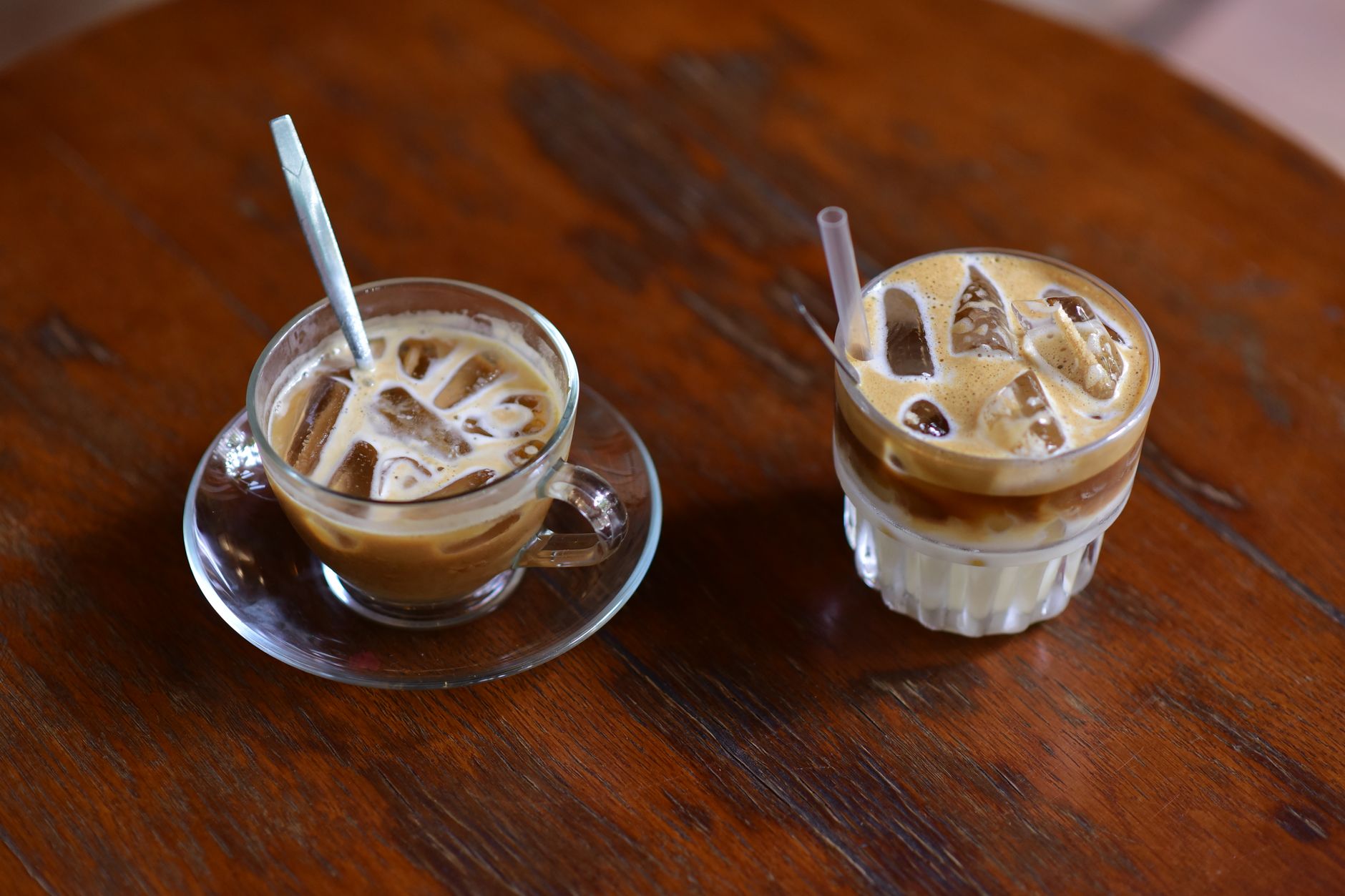
Vietnamese coffee is renowned for its strong, bold flavor and unique brewing methods, establishing itself as a distinct coffee style globally. Unlike typical coffee served elsewhere, it features a deep and rich taste, primarily due to the beans and preparation techniques used. Understanding what makes Vietnamese coffee so strong not only enhances your appreciation but also equips you to create a similar brew at home.
In this article, we will explore the factors contributing to the robust strength of Vietnamese coffee, from the types of coffee beans used to the brewing technique. We will also provide helpful tips on preparation and serving suggestions to help you enjoy this delightful beverage.
What Makes Vietnamese Coffee So Strong?
Several key elements contribute to the unique strength of Vietnamese coffee. These include the use of robusta beans, specific brewing methods, and the addition of condensed milk. Together, these elements create the distinctive powerful flavor that Vietnamese coffee enthusiasts adore.
The Coffee Beans: Robusta vs. Arabica
The choice of coffee beans plays a crucial role in the strength of any coffee, and Vietnamese coffee primarily uses robusta beans. This type of bean is generally stronger and has higher caffeine content compared to arabica beans, which are more common in specialty coffees worldwide.
Robusta Coffee Beans
- Caffeine Content: Robusta beans contain about twice the caffeine level of arabica beans. Caffeine not only contributes to a stronger flavor but also provides a more energizing effect.
- Flavor Profile: Robusta has a more bitter and earthy taste, which creates a rich base for the coffee. The oils in robusta beans produce a thicker crema, enhancing the sense of strength.
- Cost-Effectiveness: In countries where coffee cultivation thrives, robusta beans are often cheaper and easier to grow, making them a popular choice in Vietnam.
Arabica Coffee Beans
- Taste: Arabica beans are known for their sweetness and smoother flavors. While they are often preferred for brewed specialty coffee, they do not pack the same punch as robusta.
- Caffeine Level: With lower caffeine levels, arabica coffee may feel weaker and less energizing compared to its robusta counterpart.
Brewing Techniques
The method of brewing significantly impacts the strength of coffee. In Vietnam, a traditional brewing technique involving a drip filter, called a “phin,” is commonly used. This method not only results in a robust drink but is also part of the cultural experience surrounding Vietnamese coffee.
Using a Phin Filter
- Preparation: Start by adding coarsely ground robusta coffee to the phin filter. The ideal amount is typically 1 to 2 tablespoons per cup.
- Brewing: Pour a small amount of hot water over the grounds to bloom them, releasing carbon dioxide. Allow it to sit for 30 seconds.
- Full Brewing: Pour in the remaining hot water. The drip should take about 4 to 5 minutes, resulting in a potent coffee concentrate.
- Serve: The brewed coffee can be served hot or over ice. It is traditionally combined with sweetened condensed milk for a rich flavor.
Why Drip Brewing Is Effective
This slow drizzle method allows for maximum extraction of flavors from the coffee grounds. The prolonged contact time between water and coffee ensures that the heavier oils and flavors are fully drawn out, leading to a thicker, more concentrated cup. Stronger extraction also enhances the natural bitterness of robusta beans, contributing to overall strength.
The Role of Condensed Milk
In Vietnamese coffee preparation, sweetened condensed milk is often integrated to balance the intense flavor of the coffee. This addition not only enhances the creaminess of the drink but also adds sweetness that contrasts beautifully with the bitterness of robusta beans.
How Condensed Milk Affects the Coffee
- Flavor Balance: The sugary, creamy nature of condensed milk offsets the strong, earthy notes of robusta. Sipping the combination offers a delightful contrast.
- Texture: Condensed milk adds a velvety texture that transforms the coffee drinking experience, making it smoother and more enjoyable.
- Visual Appeal: The mixing process showcases a beautiful marbling effect, enhancing the aesthetic appeal of the drink.
Other Vietnamese Coffee Variations
Vietnamese coffee offers various delightful preparations that maintain its strength while introducing unique flavors. Here are some notable variations:
Cà Phê Sữa Đá (Iced Vietnamese Coffee)
This variation involves pouring brewed coffee over a glass of ice mixed with condensed milk. The result is refreshing and indulgent, perfect for warmer climates.
Cà Phê Trứng (Egg Coffee)
For a unique twist, Vietnamese egg coffee combines beaten egg yolks, sugar, and condensed milk, creating a creamy foam on top of brewed coffee. This rich and captivating drink embodies a dessert-like quality.
Sữa Chua Cà Phê (Coffee Yogurt)
In an intriguing fusion of flavors, this dish involves mixing yogurt with brewed coffee and sweetened condensed milk. It offers an unexpected yet deliciously rich treat.
Practical Tips for Brewing Vietnamese Coffee at Home
If you’re eager to try making Vietnamese coffee at home, there are some essential tips and tricks to ensure great results.
Choosing Your Coffee
- Opt for high-quality robusta coffee beans or blends specifically labeled for Vietnamese coffee.
- Consider sourcing beans directly from Vietnamese coffee producers to ensure authenticity and freshness.
Perfecting Your Brew
- Use water just off the boil (around 200°F or 93°C) for the best extraction from the coffee grounds.
- Experiment with the coffee-to-water ratio until you find your preferred strength.
- Allow the phin to drip completely to prevent any unwanted bitterness from over-extraction.
Serving Suggestions
- For traditional serving, pour the coffee over a tall glass filled with ice and sweetened condensed milk.
- Garnish with a sprinkle of cocoa powder or cinnamon for added flavor.
- Enjoy it with traditional Vietnamese pastries or snacks for an authentic experience.
Common Mistakes to Avoid
While brewing Vietnamese coffee can be straightforward, some common pitfalls may affect the outcome. Here are some mistakes to avoid:
- Using Incorrect Water Temperature: Water that is too hot can scorch the coffee, creating bitterness, while water that is too cool won’t extract enough flavor.
- Insufficient Brewing Time: Rushing the brewing process by using insufficient time can lead to a weak coffee that lacks robust flavor.
- Too Fine a Grind: Using overly fine coffee grounds can clog the phin filter, causing slow dripping or uneven extraction.
Storage and Freshness
Maintaining the freshness of your coffee beans is vital for achieving the strongest brew possible. Here are some tips on storage:
- Keep Beans in an Airtight Container: Store your coffee beans in a cool, dark place in a well-sealed container to protect them from moisture and air.
- Avoid Buying Pre-Ground Coffee: Grinding your beans just before brewing ensures maximum freshness and flavor extraction.
Cultural Context and Significance
Vietnamese coffee is deeply rooted in the country’s culture and history. It originated during the French colonial period, introducing coffee cultivation in Vietnam. Today, coffee shops are ubiquitous in Vietnam, offering a space for socializing and enjoying this strong beverage.
In villages and cities alike, the practice of enjoying coffee is often a leisurely affair, reflecting a lifestyle that appreciates pauses for connection and conversation over a strong cup of coffee.
Conclusion
The intriguing strength of Vietnamese coffee lies in the choice of robusta beans, unique brewing techniques using the phin filter, and the delightful addition of sweetened condensed milk. From its bold flavor to its cultural significance, Vietnamese coffee offers a rich experience for both those who appreciate coffee and those who are exploring different styles.
For those looking to experiment more with coffee preparations, consider trying recipes like a protein coffee or learning about the caffeine levels in various beverages to enhance your coffee experience. Discover more in our caffeine in chai tea article and explore the protein coffee recipe for added nourishment with your strong Vietnamese brew.