
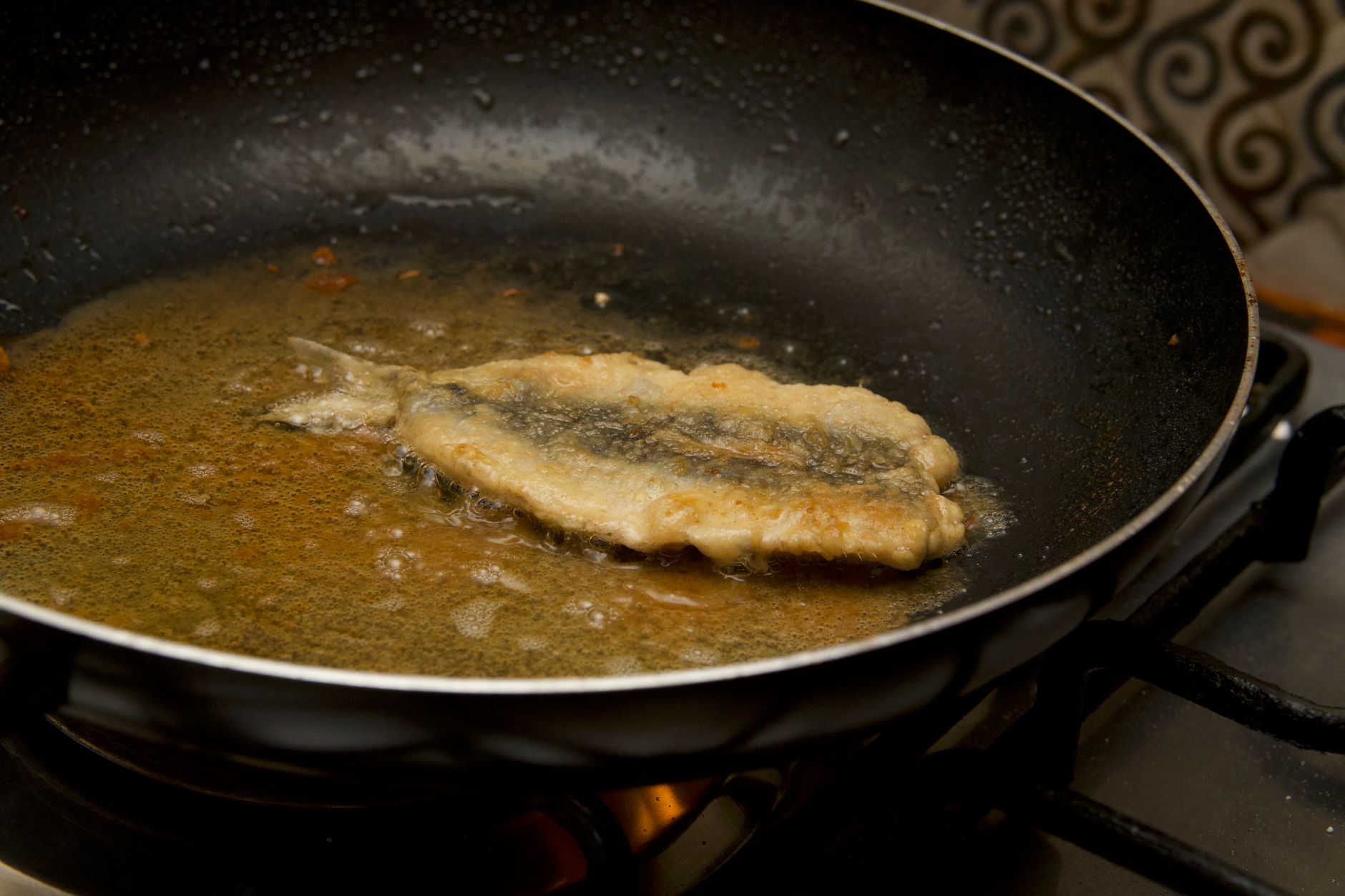
Frying fish is a delightful cooking method that adds a crispy texture and savory flavor to a variety of fish types. However, choosing the right oil for frying fish is essential for achieving the best taste and texture. The right oil not only influences the fish’s flavor profile but also impacts cooking temperature and health aspects.
This article explores the types of oils suitable for frying fish, considering their smoke points, flavor profiles, and health considerations, along with tips for preparation, timing, and serving suggestions.
What Kind of Oil to Fry Fish?
The best oil for frying fish should have a high smoke point and neutral flavor to let the fish shine. Options like canola oil, vegetable oil, peanut oil, and sunflower oil are excellent choices. Olive oil can be used but should be incorporated with care due to its lower smoke point.
Understanding Smoke Points
When frying fish, understanding the smoke point of oil is crucial. The smoke point is the temperature at which oil starts to burn and smoke, which can produce off-flavors and harmful compounds. Oils with a high smoke point are ideal for frying as they can withstand higher temperatures without breaking down.
High Smoke Point Oils
- Canola Oil: Smoke point around 400°F (204°C). It has a neutral flavor that won’t interfere with the fish’s taste.
- Vegetable Oil: Smoke point around 400-450°F (204-232°C). This is a blend of oils, often including soybean oil, and is perfect for frying.
- Peanut Oil: Smoke point around 450°F (232°C). This oil adds a subtle nutty flavor and is widely used in Asian cuisine.
- Sunflower Oil: Smoke point around 450°F (232°C). It has a clean flavor and works well for frying fish.
- Safflower Oil: Smoke point around 450°F (232°C). Similar to sunflower oil with a mild taste.
Medium to Low Smoke Point Oils
- Olive Oil: Smoke point around 375-410°F (190-210°C) for extra virgin olive oil. While providing a flavorful addition, it is best for lighter frying or sautéing fish at lower temperatures.
- Butter or Ghee: Smoke point for butter is around 350°F (177°C), while ghee is around 480°F (249°C). Butter adds a rich flavor but should be monitored carefully to prevent burning.
Choosing the Right Oil Based on Flavor
The flavor of the oil can significantly influence the final taste of the fried fish. A neutral oil allows the natural flavors of the fish to shine, while flavored oils can add depth. Here are some options:
Neutral Oils
- Canola Oil: Best for those who want to keep the fish’s natural flavor.
- Vegetable Oil: Versatile and commonly used in home kitchens.
Flavorful Oils
- Peanut Oil: Good for those who enjoy a nutty hint in their dish.
- Olive Oil: Provides a Mediterranean touch, perfect for breaded or lightly seasoned fish.
Preparation Steps for Frying Fish
Once you’ve selected the right oil, it’s time to prepare your fish. Here are the essential steps:
Preparing the Fish
- Choose Your Fish: Select fresh fish such as tilapia, cod, or salmon. Consider using fillets for even cooking.
- Clean and Pat Dry: Rinse the fish under cold water and pat it dry with paper towels. Removing excess moisture prevents the fish from steaming in the oil.
- Season: Season the fish with salt, pepper, and other desired spices. Allow it to sit for about 15 minutes to absorb flavors.
- Coating (Optional): If you want a crispy exterior, coat your fish in flour, cornmeal, or breadcrumbs. Dip in an egg wash to help the coating adhere better.
Frying Process
- Heat the Oil: In a large, deep skillet or fryer, heat your chosen oil to the appropriate temperature (typically around 350-375°F or 175-190°C). Use a thermometer for accuracy.
- Add the Fish: Carefully place the fish in the hot oil. Avoid overcrowding the pan, as this lowers the oil temperature.
- Fry Until Golden Brown: Cook the fish for about 3-5 minutes per side, depending on thickness, until it reaches a golden brown and crispy texture. Use a fish spatula for flipping.
- Check Doneness: The internal temperature of the fish should reach 145°F (63°C). Check with a food thermometer and ensure the flesh is opaque and flakes easily.
- Drain Excess Oil: Remove the fish once cooked and place it on a plate lined with paper towels to absorb excess oil.
Common Mistakes When Frying Fish
To ensure a successful frying experience, here are common mistakes to avoid:
Overcrowding the Pan
When you add too many fish pieces to the frying pan, the oil temperature drops. This can lead to soggy fish instead of the desired crispy coating.
Using the Wrong Oil
Choosing an oil with a low smoke point can result in burnt fish and off-tastes. Always opt for stable oils with high smoke points for frying.
Insufficient Preheating
If the oil isn’t hot enough when adding the fish, it will absorb more oil and become greasy. Wait for the temperature to reach the right level before frying.
Not Draining Properly
Make sure to drain the fried fish on paper towels. Skipping this step might result in excess oil and soggy fish.
Serving Suggestions for Fried Fish
Fried fish pairs well with various sides and dips. Here are some popular options:
Classic Sides
- French Fries: A timeless pair with fried fish, perfect for a casual meal.
- Coleslaw: The crisp, creamy texture of coleslaw complements the fish nicely.
- Rice or Quinoa: Serve the fried fish over a bed of rice or quinoa for a nutritious option.
Dipping Sauces
- Tartar Sauce: A classic option for fried fish, offering a tangy contrast.
- Remoulade: A flavorful sauce that elevates the dish with herbs and spices.
- Chili Sauce: For those who like a bit of heat, chili sauce adds a nice kick.
Make-Ahead Tips for Frying Fish
If you want to prepare fried fish ahead of time, follow these tips:
Marinating the Fish
You can marinate the fish for a few hours or overnight. This adds flavor and helps tenderize the fish.
Preparing Coatings
Prepare your breadcrumbs or flour mix in advance. Keep it in an airtight container until you’re ready to fry.
Reheating Fried Fish
If you have leftover fried fish, reheat it in an oven preheated to 350°F (175°C) for about 10-15 minutes. This maintains the crispiness better than microwaving.
Storage and Safety Tips
Proper storage ensures your fried fish remains safe to eat. Follow these guidelines:
Storing Fried Fish
- Allow the fish to cool completely before storing.
- Place leftovers in an airtight container in the refrigerator for up to three days.
- For longer storage, freeze the cooked fish for up to three months. Wrap in plastic wrap and place in a freezer-safe bag.
Reheating Guidelines
Reheat leftover fried fish in a preheated oven rather than a microwave to retain crispiness. Ensure the fish reaches a temperature of at least 165°F (74°C) before consuming.
Health Considerations
Frying fish can be a delicious option, but it’s essential to be mindful of the oil used and the cooking method:
Healthy Oil Choices
While frying may not be the healthiest cooking method, using oils rich in healthy fats, such as olive oil, can improve the nutritional value. However, it’s essential to be aware that frying increases the calorie count.
Serving Sizes
Control portion sizes for fried fish, as the calorie and fat content can add up quickly. A serving size of fish is generally around 3-4 ounces.
Conclusion
Choosing the right oil for frying fish can make a significant difference in flavor and texture. With oils like canola, peanut, and vegetable oil being excellent high smoke point options, you can achieve that perfect crispy exterior while enhancing your dish’s taste. Preparation, timing, and serving suggestions further refine the experience of fried fish, allowing you to impress your family or friends at meal times.
Explore more related cooking tips and recipes by checking out what oil does Chick-fil-A use or learn if you can substitute avocado oil for olive oil.