
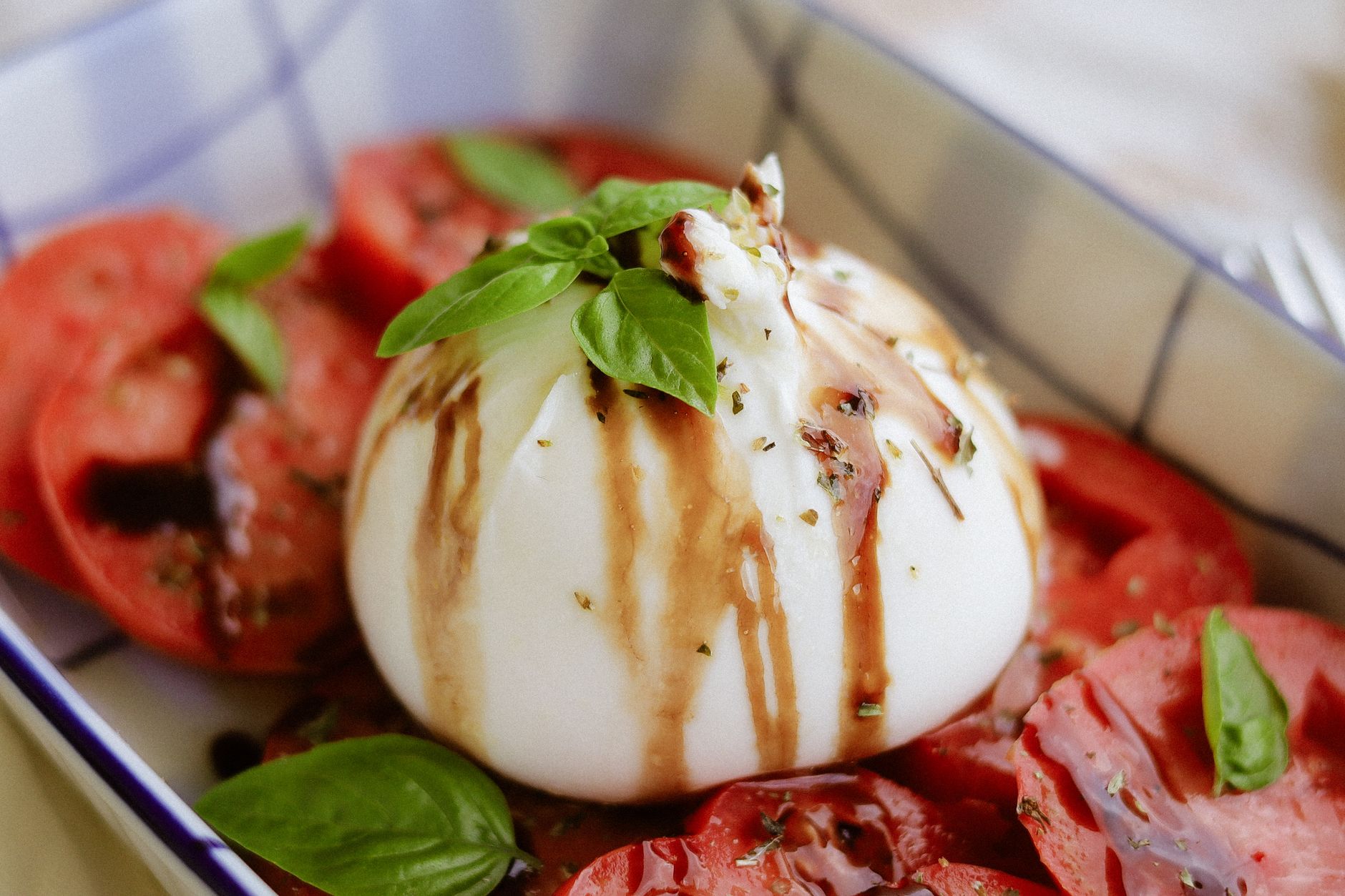
Burrata is a fresh Italian cheese that is known for its rich flavor and creamy texture. It is a unique combination of mozzarella and cream, making it a delectable option for a variety of dishes. With its unassuming exterior, burrata offers a delightful surprise when you cut into it, spilling out a luscious filling that can elevate your culinary creations.
This article will explore what kind of cheese burrata is, how it is made, the different types available, and practical kitchen uses. Whether you are a seasoned chef or a home cook, you will find that burrata is both versatile and easy to incorporate into your meals.
What Kind of Cheese Is Burrata?
Burrata is a fresh cheese that originates from the Apulia region in Italy. It is made from cow’s milk and has a unique preparation method that sets it apart from other cheeses. The outer shell is made from mozzarella, crafted into a pouch that is then filled with a mixture of cream and leftover curds. This gives burrata its signature creamy center, making it a favorite amongst cheese lovers.
The term “burrata” means “buttered” in Italian, which aptly describes its rich, buttery texture. When cut, the interior spills out, resembling a softer version of ricotta cheese, providing luscious creaminess ideal for various dishes.
The Origins of Burrata
Burrata was first created in the late 19th century, particularly in the town of Andria in the Apulia region of Italy. It was originally made as a way to utilize leftover curds from the mozzarella-making process. Today, its popularity has spread well beyond Italy, becoming a beloved choice in many cuisines around the world.
Flavor and Texture Profile
Burrata has a delightful flavor that combines the subtle saltiness of fresh mozzarella with the richness of cream. The outer shell is slightly chewy, while the inside is luxuriously soft and creamy, creating a textural contrast that is both exciting and satisfying. The experience of tasting burrata is often described as indulgent due to its smooth, creamy center.
Types of Burrata
While burrata generally refers to the traditional cheese made from cow’s milk, there are some variations worth noting:
- Traditional Burrata: Made from cow’s milk and filled with cream and curds, this is the most commonly found type. It offers a rich, buttery experience and is often the preferred choice in gourmet dishes.
- Burrata di Bufala: Made from the milk of water buffalo, this version has a slightly tangier flavor and creamier texture compared to traditional burrata, owing to the higher fat content in buffalo milk.
- Herbed Burrata: Some varieties of burrata are infused with herbs or flavors such as garlic, truffle, or lemon, adding an additional layer of taste that can complement various dishes.
How is Burrata Made?
The process of making burrata consists of several steps, which include the creation of the mozzarella shell and the production of the creamy filling. Here’s an overview:
- Curd Preparation: Fresh curds are prepared by heating milk and adding rennet. This causes the milk to coagulate, forming curds and whey.
- Shaping the Mozzarella: The curds are then heated, kneaded, and stretched to form a smooth, pliable dough that is shaped into pouches.
- Creating the Filling: While the mozzarella is made, cream and leftover curds are blended to create a creamy mixture that fills the mozzarella pouch.
- Assembly: The mozzarella pouch is filled with the creamy mixture and then sealed, ensuring it is tightly packed.
- Cooling: Burrata is quickly placed in cold water to stop the cooking process, preserving its delicate texture and freshness.
Kitchen Uses for Burrata
Burrata is an incredibly versatile cheese that can be used in a variety of delicious ways. Here are some popular kitchen uses:
Salads
One of the most common ways to serve burrata is in salads. The creaminess pairs very well with fresh greens, tomatoes, and various herbs. A simple panzanella made with crusty bread, ripe tomatoes, and basil can be elevated with the addition of burrata. Alternatively, use burrata as a topping for an arugula salad with candied nuts and a balsamic vinaigrette.
Pasta Dishes
Add burrata to pasta dishes for a delightful twist. It can be torn and mixed into spaghetti with marinara or served atop a creamy sauce for extra richness. A great combination is burrata with roasted cherry tomatoes, garlic, and basil over fresh pasta, creating a summer-inspired dish.
Pizzas and Flatbreads
Burrata can be used as a finishing touch on pizzas and flatbreads. Rather than baking it directly on the pizza, add burrata after the pizza comes out of the oven for a melted, gooey topping that is both decadent and fresh. A white pizza topped with burrata, herbs, and a drizzle of olive oil is a delicious option.
Bruschetta and Crostini
Spread burrata on toast or crostini topped with all kinds of ingredients. It pairs beautifully with roasted vegetables, prosciutto, or simply a drizzle of olive oil and a pinch of sea salt. This makes for an excellent appetizer or snack option.
Charcuterie Boards
Burrata is a great addition to charcuterie boards, offering a creamy contrast to cured meats and hard cheeses. Pair it with olives, fruits, and crackers for a crowd-pleasing platter at your next gathering.
Practical Storage Tips for Burrata
To maintain the quality of burrata, proper storage is important. Here are some tips:
- Refrigeration: Keep burrata refrigerated in its original packaging or submerged in its whey (liquid) to retain moisture.
- Use Quickly: Burrata is best enjoyed fresh. Aim to consume it within three to five days after purchase for optimal flavor and texture.
- Freezing: While burrata can technically be frozen, it may alter its texture and flavor upon thawing, thus it is not recommended.
Substitutions for Burrata
If you find yourself without burrata, there are a few alternatives you can consider, though the flavor and texture will vary:
- Fresh Mozzarella: While it lacks the creaminess of burrata, fresh mozzarella can be a suitable substitute in salads and pizzas.
- Ricotta: Ricotta cheese can work in some dishes, especially when blended with a bit of cream. It won’t replicate the exact texture, but it can provide a creamy element.
- Cream Cheese: Cream cheese can be used in dips or spreads to give a similar creaminess, although the flavor will differ.
Common Mistakes When Using Burrata
Here are some common pitfalls to avoid when handling and using burrata:
- Overcooking: If you add burrata to a hot dish before serving, it’s crucial to do so just before serving to keep its creamy texture intact. Overheating can lead to a rubbery consistency.
- Ignoring Accompaniments: Burrata has a rich flavor that can be enhanced by complementary ingredients, such as acidity (vinegar, citrus) or fresh herbs. Don’t skip out on these to balance its richness.
- Not Allowing to Breathe: Once you open a package of burrata, it may need some time at room temperature before serving. This allows the flavors to bloom; just let it sit for about 20-30 minutes.
Serving Suggestions for Burrata
When serving burrata, consider these tips to enhance its appeal:
- Drizzle with Olive Oil: A good quality extra virgin olive oil adds depth of flavor and a touch of luxury.
- Finish with Sea Salt: A sprinkle of flaky sea salt enhances burrata’s natural flavors and richness.
- Acidic Elements: Pairing with fresh tomatoes, balsamic reduction, or a citrus vinaigrette can create a perfect balance that cuts through the richness of the cream.
Pairing Burrata with Drinks
When it comes to beverage pairings, burrata’s rich flavors can complement various drinks:
- White Wine: A crisp Sauvignon Blanc or creamy Chardonnay can enhance burrata’s rich texture.
- Rosé: A dry rosé provides refreshing acidity to complement the creaminess of the cheese.
- Craft Beers: Light ales or wheat beers can be enjoyable partners, offering a balance that can work well with bruschetta and flatbreads featuring burrata.
Popular Recipes Incorporating Burrata
If you’re interested in trying your hand at dishes that feature burrata, consider these recipes:
- Whipped Ricotta: While not the same, whipped ricotta can be a creamy alternative that can stand alongside burrata in dishes.
- Marinated Cheese: This recipe showcases how different cheeses, even burrata, can be enhanced through marination.
In terms of culinary uses, burrata is a chef’s dream, ready to be incorporated into salads, pasta, appetizers, and entrees. Understand its flavor profile and utilize it in ways that highlight its texture and richness. With the aforementioned tips, tricks, and hacks, you can create memorable dishes that spotlight this delightfully creamy cheese.
Explore more about cooking with cheese, discover new recipes, and refine your kitchen skills to make the most of ingredients like burrata. Dive deeper into the art of cheese and check out related recipes and cooking tips!