
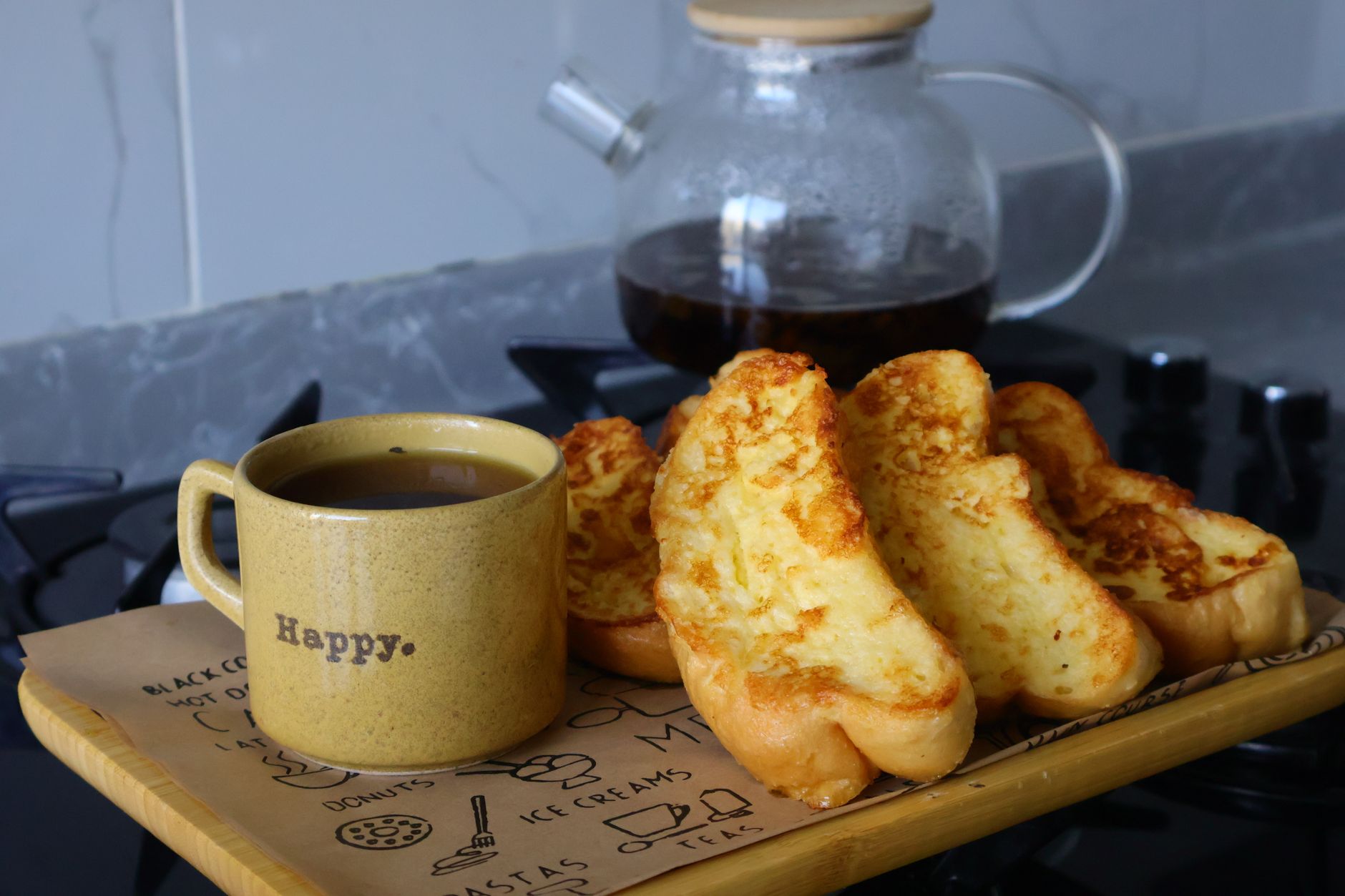
French toast is a beloved breakfast dish that combines the simple pleasures of bread, eggs, and milk into a warm, comforting meal. Its versatility allows it to be customized with a variety of flavors and toppings. One common ingredient in many French toast recipes is vanilla extract, adding a sweet and aromatic note to the classic dish. However, you might wonder, can you make French toast without vanilla extract?
The answer is yes! While vanilla extract enhances the flavor of French toast, it is not essential. This article will guide you on how to prepare delicious French toast without it, explore various alternatives, and provide practical tips for making this dish a delightful part of your breakfast or brunch routine.
Can You Make French Toast Without Vanilla Extract?
Yes, you can certainly make French toast without vanilla extract. Although vanilla adds a lovely flavor, there are plenty of alternatives that can give your dish a unique twist. Whether you’re out of vanilla or simply prefer not to use it, you can still enjoy a delicious batch of French toast. Here’s how to do it effectively.
Understanding French Toast and Why Vanilla is Used
French toast typically consists of bread soaked in a mixture of beaten eggs and milk, then cooked on a skillet or griddle until golden brown. Vanilla extract is commonly added to the egg mixture to enhance the overall flavor profile. It contributes sweet and complex notes that complement the richness of the eggs and milk. However, the absence of vanilla does not detract from the dish; instead, it opens the door to other flavors and combinations.
Ingredients for French Toast Without Vanilla Extract
Here’s a basic ingredient list for preparing French toast without using vanilla extract:
- 4 slices of bread (thick slices such as brioche, challah, or Texas toast work best)
- 2 large eggs
- 1/2 cup milk (or any milk substitute such as almond or oat milk)
- 1 tablespoon sugar (optional, adjust based on preference)
- 1 teaspoon ground cinnamon (optional)
- Butter or oil for cooking
- Toppings of your choice (such as syrup, powdered sugar, fruit)
Equipment Needed
Before starting, ensure you have the following equipment:
- A shallow bowl for mixing
- A whisk or fork
- A frying pan or griddle
- A spatula
- A serving plate
Step-by-Step Method for Making French Toast Without Vanilla Extract
- Prepare the Egg Mixture: In a shallow bowl, crack the eggs and beat them with a whisk or fork until the yolks and whites are fully combined. Add the milk, sugar, and cinnamon (if using), stirring to mix well. This step forms the base of your soaking mixture.
- Soak the Bread: Place a slice of bread into the egg mixture, ensuring both sides are well-coated. Let it soak for about 30 seconds to 1 minute, depending on the thickness of the bread. The goal is to allow the bread to absorb enough liquid without becoming too soggy.
- Preheat the Pan: Heat a frying pan or griddle over medium heat and add a pat of butter or a splash of oil. Allow it to melt and coat the pan evenly.
- Cook the Bread: Once the pan is hot, carefully place the soaked bread onto it. Cook for 2-3 minutes on one side until golden brown, then flip and cook for another 2-3 minutes on the opposite side. Adjust the heat as necessary to prevent burning.
- Repeat the Process: Continue the soaking and cooking process for the remaining slices of bread. Add more butter or oil to the pan as needed.
- Serve: Once all slices are cooked, transfer them to a serving plate. Serve warm with your favorite toppings such as syrup, fresh fruit, or whipped cream.
Delicious Flavor Substitutions for Vanilla
If you’re looking to maintain a robust flavor profile in your French toast without using vanilla extract, consider these alternatives:
- Almond Extract: Use about half the amount of almond extract in place of vanilla. It adds a nutty flavor that pairs beautifully with the other ingredients.
- Maple Syrup: Replace some of the sugar in your egg mixture with maple syrup. This will infuse the dish with a rich, sweet flavor.
- Citrus Zest: Add a teaspoon of lemon or orange zest to the egg mixture for a fresh and bright flavor.
- Coconut Extract: A few drops of coconut extract can give a tropical flair to your French toast.
- Spices: Experiment with spices such as nutmeg or cardamom for warmth and depth.
Variations of French Toast Without Vanilla Extract
French toast is incredibly versatile. Here are some delightful variations to try when making French toast without vanilla extract:
Chocolate Chip French Toast
Add a handful of chocolate chips to the bread during the soaking process for a sweet treat. Serve with whipped cream or a drizzle of chocolate syrup.
Banana Bread French Toast
Use slices of banana bread instead of regular bread. The natural sweetness and flavor of banana bread make for a decadent breakfast.
Overnight French Toast Bake
Combine the egg/milk mixture with cubed bread and pour it into a greased baking dish. Cover and refrigerate overnight. In the morning, bake it until set for an easy, crowd-pleasing breakfast.
Savory French Toast
For a savory twist, skip the sugar and cinnamon. Instead, incorporate cheese or herbs into your egg mixture. Top with scrambled eggs, avocado, or sautéed vegetables for a nutritious meal.
French Toast Sticks
Cut your slices of bread into sticks before soaking and cooking. Kids (and adults) will love dipping these into syrup!
Common Mistakes and Troubleshooting Tips
When making French toast, there are a few common pitfalls to be aware of:
- Over-Soaking: A common mistake is soaking the bread for too long, which can lead to soggy French toast. Aim for about 30 seconds per side for most bread types.
- Temperature Control: Medium heat is essential for cooking French toast properly. Too high, and the outside will burn before the center cooks through. Too low, and the toast will dry out.
- Choosing the Right Bread: Using bread that is too soft may lead to tearing during the soaking process. Choose thicker, sturdier slices for the best results.
Serving Suggestions and Storage Guidance
When serving French toast, the options are endless. Classic toppings include:
- Maple syrup
- Powdered sugar
- Fresh berries or sliced bananas
- Nut butter or whipped cream
- Chopped nuts for added crunch
If you have leftovers, cool the French toast completely and store it in an airtight container in the refrigerator for up to 3 days. To reheat, warm it in a toaster, oven, or on the stovetop until heated through. Note that reheating might alter the texture slightly.
Conclusion: Enjoying French Toast Without Vanilla Extract
Making French toast without vanilla extract is wholly achievable and can result in a delicious breakfast that suits your tastes and preferences. With a few simple swaps and variations, you can create a dish that is both flavorful and satisfying. Whether you’re in the mood for something sweet or savory, French toast remains a versatile and enjoyable choice any time of day.
For more creative substitutes for ingredients like vanilla extract, check out our guide on substitutes for vanilla extract. If you’re looking for a straightforward French toast recipe for one, consider trying our French toast recipe for 1. Dive into the world of breakfast and enjoy cooking!