
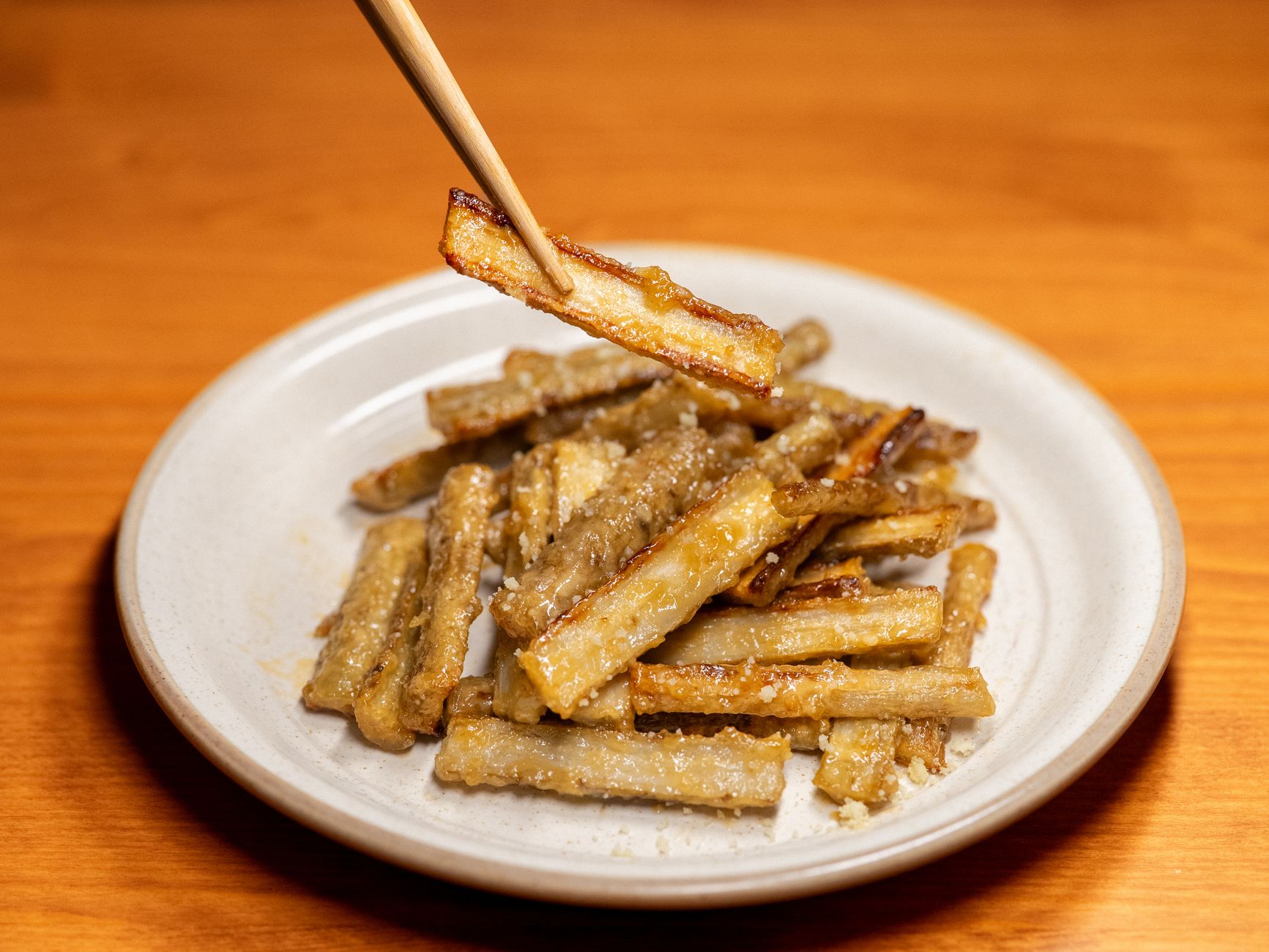
Yamagobo is a traditional Japanese ingredient that adds a unique flavor and texture to various dishes. Made from burdock root, it is typically pickled to enhance its taste and consumed in a variety of culinary applications. Understanding what yamagobo is and how to use it can elevate your Japanese meals by introducing its earthy sweetness and distinct crunch.
This guide will cover the ingredients used in yamagobo, explore its flavor profile, and provide practical tips on how to serve it. Whether you’re looking to incorporate yamagobo into your meals or simply want to learn more about this intriguing ingredient, you’re in the right place.
What Is Yamagobo?
Yamagobo, also known as burdock root, is a versatile ingredient commonly used in Japanese cuisine. Its name translates literally to “mountain burdock,” referring to its natural habitat and the plant from which it originates. The root is long and slender, typically ranging from 12 to 24 inches in length, and has a brown exterior with a white, crispy interior.
Yamagobo is known for its health benefits as it is low in calories and rich in dietary fiber, vitamins, and antioxidants. It has been valued in traditional medicine for its potential in aiding digestion and promoting overall health.
Ingredients of Yamagobo
The primary ingredient in yamagobo is, of course, the burdock root. When it comes to preparing yamagobo for culinary use, the process involves pickling the burdock root with varying ingredients. Here’s a breakdown of what you’ll typically find in a yamagobo preparation:
- Burdock Root: The star of the show, providing the characteristic flavor and texture.
- Vinegar: Usually rice vinegar, which adds acidity and helps preserve the root.
- Sugar: Typically granulated, used to balance the sourness of the vinegar.
- Salt: A crucial ingredient for flavor enhancement and preservation.
- Mirin: A sweet rice wine that adds depth to the flavor.
- Sesame Oil: Sometimes included for an added nutty flavor.
- Chili Flakes: Occasionally used for a touch of heat, depending on the variant.
Flavor Profile of Yamagobo
The flavor of yamagobo is earthy with a subtle sweetness and a hint of bitterness. When pickled, it takes on a tangy and slightly sweet flavor that complements many dishes. Its crunchy texture contrasts nicely with softer elements in meals and makes it a delightful addition to salads, rice bowls, and sushi.
When used in dishes, yamagobo offers a refreshing palate cleanser and can greatly enhance the overall culinary experience with its distinctive taste. The balance of sweet, salty, and acidic notes makes yamagobo a versatile ingredient for many recipes.
How to Serve Yamagobo
Yamagobo can be served in various ways, depending on the dish and personal preference. Here are several popular methods of incorporating yamagobo into your meals:
1. As a Sushi Filling
One of the most common uses for yamagobo is as a filling in sushi rolls. Its crunch and flavor complement ingredients like cucumber, avocado, and seafood.
2. In Rice Bowls
Yamagobo can be used as a delicious topping for rice bowls (donburi). It pairs well with proteins like grilled chicken, fish, or tofu and can enhance the flavor of the rice.
3. In Salads
Adding yamagobo to salads provides crunch and depth. Mix it with fresh veggies, sesame seeds, and a light dressing for a refreshing dish.
4. As a Garnish
Thinly sliced yamagobo can be used as a decorative garnish for various dishes, giving them an authentic Japanese flair.
5. In Sandwiches or Wraps
Incorporating yamagobo into sandwiches or wraps adds texture and flavor, making the meal more interesting.
6. In Noodle Dishes
Stir-fry dishes or noodle salads can also benefit from the addition of yamagobo for a delightful crunch.
7. As a Side Dish
Pickled yamagobo can be served alongside main dishes as a tangy, nutritious side to balance out indulgent flavors.
How to Prepare Yamagobo
If you want to prepare yamagobo at home, follow these steps to create pickled burdock root:
Ingredients
- 1 medium burdock root (approximately 8 oz)
- 2 tablespoons soy sauce
- 2 tablespoons rice vinegar
- 1 tablespoon sugar
- 1 teaspoon salt
- 1 teaspoon mirin (optional)
- Water for soaking
Instructions
- Start by washing the burdock root thoroughly under running water to remove dirt and impurities.
- Peel the outer skin of the burdock root using a vegetable peeler.
- Slice the burdock root into thin strips, about 1/8 inch thick, to allow for better absorption of flavors.
- Fill a bowl with water and add the sliced burdock to soak for about 10 minutes to help reduce the bitterness. Drain and set aside.
- In a small saucepan, combine the soy sauce, rice vinegar, sugar, salt, and mirin. Bring to a gentle boil and stir until the sugar and salt dissolve.
- Once combined, remove the mixture from heat and allow it to cool slightly.
- In a clean, sterilized jar, layer the soaked burdock strips and pour the cooled pickling mixture over them. Ensure the burdock is fully submerged.
- Seal the jar and refrigerate for at least 24 hours before consuming, allowing the flavors to meld.
- For the best flavor, enjoy the pickled yamagobo within one week.
Common Mistakes When Preparing Yamagobo
Here are some common pitfalls to avoid when working with yamagobo:
- Inadequate Soaking: Failing to soak the burdock root can result in an overly bitter taste. Always soak to help mellow the flavor.
- Skipping the Peeling Step: The outer skin can be tough and may alter the texture of your dish. Peeling is essential.
- Not Allowing for Adequate Pickling Time: For the best flavor, allow the burdock to pickle for at least 24 hours before use.
Practical Substitutions for Yamagobo
If you do not have yamagobo on hand, consider these alternatives that can provide similar textures or flavors in recipes:
- Carrots: Grated or julienned carrots can mimic the crunchiness and sweetness of yamagobo.
- Daikon Radish: Another crunchy root vegetable that can provide a similar texture, although it has a stronger flavor.
- Pickled Ginger: While it has a different flavor profile, pickled ginger can add a similar acidity, making it an interesting choice when combined with sweeter components.
- Other Pickled Vegetables: You can explore other pickles to add acidity and crunch, but the flavor will differ.
Storing Yamagobo
To ensure that your pickled yamagobo stays fresh, follow these guidelines for storage:
- Store any leftover pickled yamagobo in an airtight container in the refrigerator.
- It is best consumed within one week for optimal flavor and crunch but can last up to two weeks when properly stored.
- Avoid exposure to light and air to prolong freshness.
Exploring Yamagobo in Regional Dishes
While yamagobo is primarily associated with Japanese cuisine, it can be adapted in various regional dishes. For example:
- Korean Cuisine: Use yamagobo as a topping for bibimbap for added crunch and nutritional benefits.
- Fusion Dishes: Incorporate yamagobo into tacos, grain bowls, or wraps to create a unique flavor profile.
Health Benefits of Yamagobo
In addition to being a delicious ingredient, yamagobo comes with numerous health benefits:
- High in Fiber: Aids in digestion and helps maintain a healthy gut.
- Rich in Antioxidants: Supports overall health by combating oxidative stress in the body.
- Low in Calories: A great addition to meals without adding excessive calories.
- Versatile Nutritional Profile: Contains vitamins B1, B2, and essential minerals such as potassium, which are beneficial for overall health.
Incorporating yamagobo into your diet can not only improve the flavor of your dishes but also contribute positively to your health.
Conclusion
Yamagobo, or burdock root, is a versatile and flavorful ingredient that can enhance your culinary creations. Its distinctive flavor, texture, and health benefits make it an exciting addition to various dishes, especially in Japanese cuisine. By understanding how to prepare, serve, and substitute yamagobo, you can elevate your cooking experience.
Explore more about the art of using unique ingredients and enhancing your meals with further reading or explore other culinary guides to deepen your understanding of versatile components in cooking. Check out our tips on meal-planning, budget-friendly cooking, and other ingredient guides.