
Fiber is an essential part of a healthy diet, aiding in digestion and helping to maintain a healthy weight. Vegetables are one of the best sources of dietary fiber, yet not all vegetables are created equal in this regard. This article will explore which vegetables are high in fiber, their nutritional benefits, and practical portions to help you incorporate them into your meals.
By including a variety of these fiber-rich vegetables in your diet, you can improve your overall health and get closer to your daily fiber goals. Let’s dive into the vegetable world and discover the fiber powerhouses you should consider adding to your plate.
Which Vegetables Are High in Fiber?
Some of the highest fiber vegetables include artichokes, peas, broccoli, Brussels sprouts, and sweet potatoes. These vegetables not only provide fiber but also offer essential vitamins and minerals, making them a fantastic addition to your meals.
Nutritional Benefits of Fiber-Rich Vegetables
Fiber plays a significant role in maintaining your health. Here are some benefits of including high-fiber vegetables in your diet:
- Digestive Health: Fiber aids in digestion and helps to prevent constipation by providing bulk to your stool.
- Weight Management: Foods high in fiber tend to be more filling, which can reduce hunger and decrease overall calorie intake.
- Blood Sugar Control: Fiber helps slow the absorption of sugar, which can improve blood sugar levels, especially beneficial for those with diabetes.
- Heart Health: A diet rich in fiber can lower cholesterol levels, contributing to better heart health and reducing the risk of heart disease.
Top Fiber-Rich Vegetables
Here’s a detailed look at the best vegetables for fiber, along with their fiber content and serving suggestions.
1. Artichokes
Artichokes are among the highest fiber vegetables. One medium artichoke contains about 7 grams of fiber.
- Nutritional Content: High in antioxidants, vitamins C and K.
- Serving Suggestions: They can be steamed, grilled, or used in dips. Enjoy them as part of a vegetable platter or stuffed with herbs and cheese.
2. Peas
Fresh green peas pack about 9 grams of fiber per cooked cup, making them a fiber-rich choice.
- Nutritional Content: Rich in vitamins A, C, and K as well as protein and minerals.
- Serving Suggestions: Use in salads, stir-fries, or blended into soups for added texture and flavor.
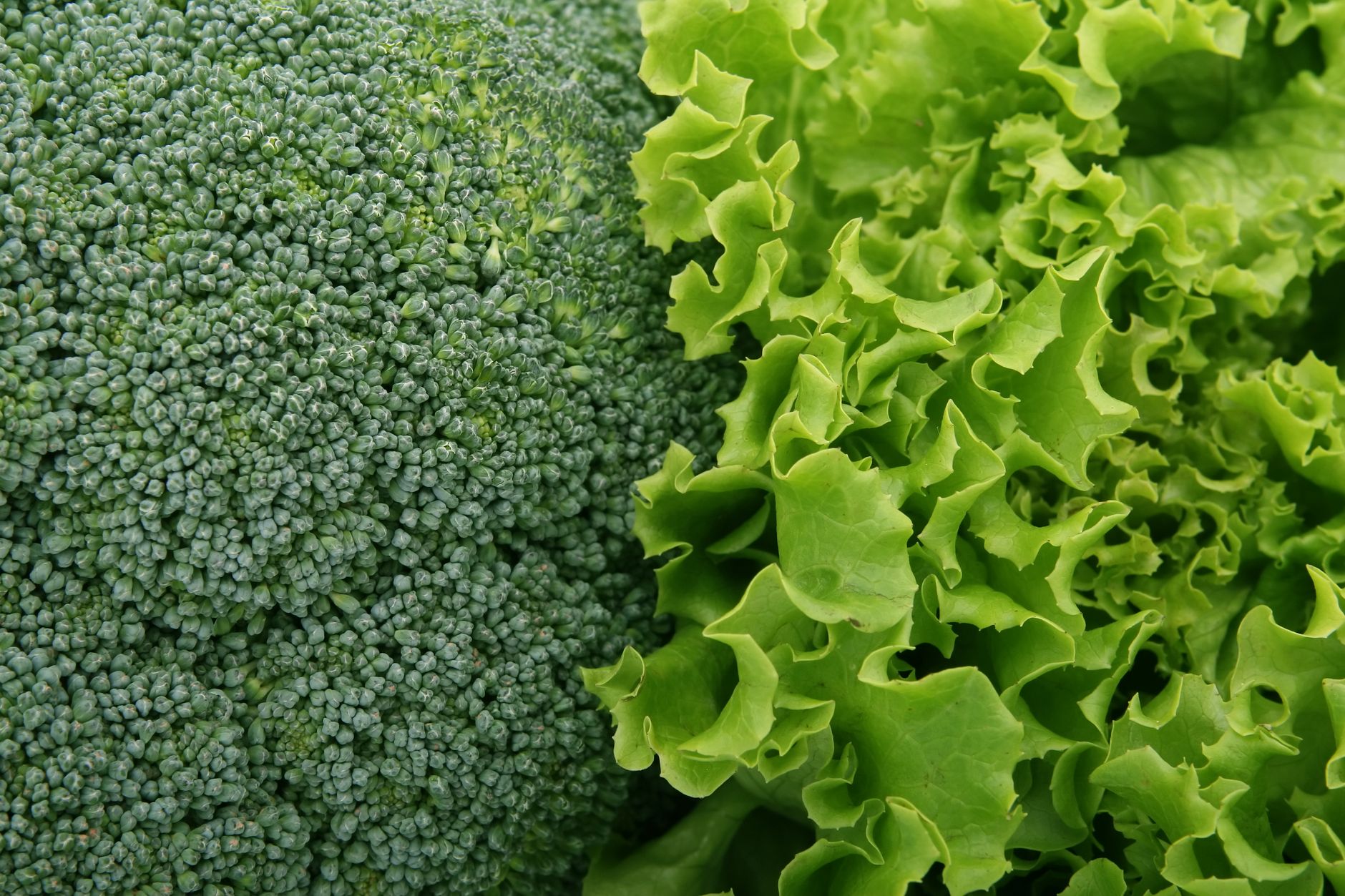
3. Broccoli
Broccoli is a nutritional powerhouse, delivering about 5 grams of fiber per cooked cup.
- Nutritional Content: Excellent source of vitamin C and folate, and contains several antioxidant compounds.
- Serving Suggestions: Serve steamed, roasted, or stir-fried with garlic and lemon for a simple side dish.
4. Brussels Sprouts
One cup of Brussels sprouts contains around 4 grams of fiber, making them another excellent choice.
- Nutritional Content: High in vitamins C and K, and contains compounds that have been shown to reduce inflammation.
- Serving Suggestions: Roasted with balsamic vinegar or sautéed with bacon and garlic for a delightful side.
5. Sweet Potatoes
Sweet potatoes offer about 4 grams of fiber per medium potato, adding nutritional value as well.
- Nutritional Content: High in vitamins A and C, manganese, and provides antioxidants.
- Serving Suggestions: Bake, mash, or slice into fries. They pair well with cinnamon and nutmeg or savory herbs.
6. Carrots
Carrots contain about 4 grams of fiber per cup when cooked.
- Nutritional Content: A great source of beta-carotene, vitamin K, and fiber.
- Serving Suggestions: Enjoy raw, steamed, or in soups and stews. They can also be used in desserts like carrot cake.
7. Cauliflower
This versatile vegetable has about 3 grams of fiber per cup, making it a good addition to your meals.
- Nutritional Content: Packed with vitamins C and K, and offers compounds that support detoxification.
- Serving Suggestions: Serve steamed, mashed, or as a low-carb alternative to rice and pizza crusts.
8. Spinach
Cooked spinach provides about 4 grams of fiber per cup and is loaded with nutrients.
- Nutritional Content: Rich in iron, vitamins A, C, and manganese, and has a high antioxidant capacity.
- Serving Suggestions: Use in salads, sauté as a side, or blend into smoothies for added nutrition.
9. Okra
Okra, often used in southern dishes, offers about 4 grams of fiber per cup.
- Nutritional Content: Excellent source of vitamin C, folate, and magnesium.
- Serving Suggestions: Use in gumbo, fried, or roasted for a crunchy side dish.
10. Kale
Kale is a nutritional powerhouse with around 2.5 grams of fiber per cooked cup.
- Nutritional Content: High in vitamins A, K, and C, and loaded with antioxidants.
- Serving Suggestions: Enjoy in salads, smoothies, or sautéed as a base for dishes.
How to Incorporate High-Fiber Vegetables into Your Diet
Incorporating high-fiber vegetables into your daily meals can be easy and enjoyable. Here are some tips:
- Start with Breakfast: Add spinach or kale to your morning smoothie or omelet. Try some sautéed vegetables alongside eggs.
- Snack Smart: Keep raw carrot sticks, bell pepper strips, or cucumber slices on hand for quick snacks, or make a healthy dip like hummus.
- Lunch Inspiration: Include a variety of colorful vegetables in salads. Add roasted Brussels sprouts or sweet potatoes for heartiness.
- Dinner Dishes: Experiment with stir-fries or mixed vegetable roasts that highlight multiple high-fiber options.
- Experiment with Soups: Puree vegetables into soups for a smoother texture, or add cut vegetables for chewiness and nutrition.
Portion Sizes for Fiber-Rich Vegetables
Understanding portion sizes is crucial for maximizing your fiber intake. Here are guidelines for serving sizes for the vegetables discussed:
- Artichoke: 1 medium artichoke (about 120-150 grams)
- Peas: 1 cooked cup (about 160 grams)
- Broccoli: 1 cooked cup (about 156 grams)
- Brussels Sprouts: 1 cooked cup (about 156 grams)
- Sweet Potato: 1 medium potato (about 114 grams)
- Carrots: 1 cooked cup (about 130 grams)
- Cauliflower: 1 cooked cup (about 124 grams)
- Spinach: 1 cooked cup (about 180 grams)
- Okra: 1 cooked cup (about 160 grams)
- Kale: 1 cooked cup (about 130 grams)
Cooking Tips to Maximize Fiber Retention
Cooking methods can affect the fiber content of vegetables. Here are some techniques to keep in mind:
- Steaming: This method retains most nutrients and fiber. Aim for minimal cooking time for vegetables like broccoli and spinach.
- Roasting: This enhances flavor while preserving fiber. Toss vegetables in a little oil and roast at high temperatures.
- Raw Consumption: Enjoy some vegetables raw to maximize fiber intake, such as carrots and peppers in salads and snacks.
Common Mistakes to Avoid When Adding Fiber to Your Diet
When increasing fiber intake, there are some common pitfalls to avoid:
- Too Much at Once: Gradually introduce high-fiber vegetables to your diet to avoid digestive discomfort.
- Not Drinking Enough Water: Fiber works best with adequate hydration, so ensure you drink plenty of fluids.
- Relying Solely on One Type: Variety is key. Incorporate different high-fiber vegetables to benefit from their various nutrients.
Conclusion
Incorporating high-fiber vegetables into your diet can significantly improve digestive health and overall well-being. By choosing a variety of these vegetables and experimenting with different cooking methods and recipes, you can enjoy delicious meals while meeting your nutritional needs. Start adding high-fiber vegetables like artichokes, peas, and broccoli into your meals, and feel the positive impact on your health.
If you’re looking for more cooking tips, consider exploring how cabbage can impact digestion at this guide. Additionally, you can learn about the fiber content in fruits like bananas through this resource. Happy cooking!