
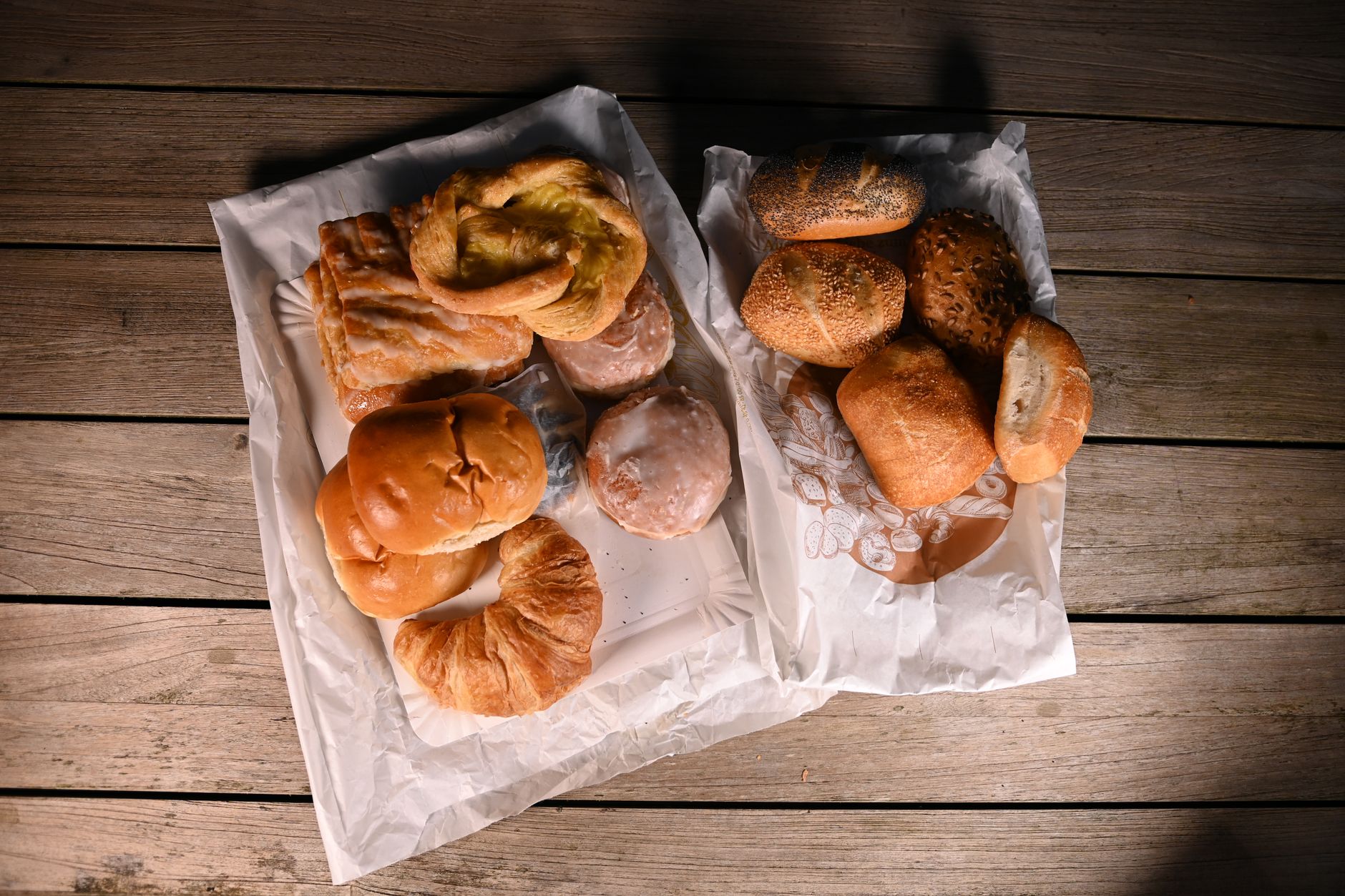
Wheat is one of the most widely cultivated and versatile crops, serving as a staple in diets around the world. It is the main ingredient in many products, ranging from bread to pasta, and it supports various culinary traditions.
Understanding what wheat is used for can enhance your cooking and baking skills, inspire meal planning, and help you make informed choices on ingredient substitutions and storage methods.
What Is Wheat Used For?
Wheat is primarily used to produce flour, which forms the basis of an extensive range of food items, including bread, pastries, pasta, and cereals. Its versatility enables it to be incorporated into a wide array of recipes, making it a staple in many kitchens worldwide.
Types of Wheat and Their Uses
There are several types of wheat, each suited for different culinary applications based on their characteristics, such as protein content and gluten strength. The main types include:
- Hard Red Winter Wheat: High in protein, ideal for bread-making.
- Hard Red Spring Wheat: Contains the highest protein content, suitable for artisan breads.
- Soft Red Winter Wheat: Low protein, commonly used in cookies and cakes.
- Hard White Wheat: Good for bread, similar to red wheat, but with a milder flavor.
- Soft White Wheat: Best for pastries and crackers due to its lower protein.
- Durum Wheat: Very hard wheat, primarily used for pasta.
- Einkorn and Emmer: Ancient grains with unique flavors, often used in specialty breads.
Baking with Wheat: Recipes and Techniques
Baking with wheat flour can produce an array of delicious items. Here are some popular techniques and recipes:
Bread Making
Bread is a fundamental use of wheat, with countless variations across cultures.
Here’s a basic recipe for homemade bread:
- Yield: 1 loaf
- Preparation Time: 10 minutes
- Cooking Time: 30 minutes
- Total Time: 1 hour 40 minutes (including rising time)
Ingredients:
- 3 ½ cups all-purpose flour
- 1 packet (2 ¼ teaspoons) active dry yeast
- 1 tablespoon sugar
- 1 teaspoon salt
- 1 ¼ cups warm water (about 110°F)
- 2 tablespoons olive oil (optional)
Equipment Needed:
- Mixing bowl
- Wooden spoon or spatula
- Loaf pan
- Plastic wrap or clean towel
- Oven
Method:
- In a mixing bowl, combine warm water, sugar, and yeast. Let it sit for about 5-10 minutes until frothy.
- Add the salt and olive oil (if using) to the yeast mixture.
- Gradually add the flour, mixing until the dough begins to form.
- Knead the dough on a floured surface for about 8-10 minutes until smooth and elastic.
- Place the dough in a greased bowl, cover with plastic wrap or a towel, and let it rise in a warm place for about 1 hour, or until doubled in size.
- Punch down the dough, shape it into a loaf, and place it into a greased loaf pan.
- Cover and let it rise again for about 30 minutes.
- Preheat your oven to 375°F (190°C).
- Bake for 30 minutes, or until the bread is golden brown and sounds hollow when tapped.
Common Mistakes in Bread Baking:
- Incorrect water temperature can kill yeast; always check with a thermometer.
- Over-kneading or under-kneading can affect texture; knead until just smooth.
- Not allowing enough rise time will result in dense bread.
Pasta Making
Wheat is also used to make pasta, particularly from durum wheat. Homemade pasta can be a delightful experience. Here’s how to make basic egg pasta.
Basic Egg Pasta Recipe:
- Yield: About 4 servings
- Preparation Time: 15 minutes
- Resting Time: 30 minutes
- Cooking Time: 3-5 minutes
Ingredients:
- 2 cups all-purpose flour (or semolina flour for a firmer texture)
- 3 large eggs
- ½ teaspoon salt
Equipment Needed:
- Mixing bowl
- Rolling pin or pasta machine
- Knife or pasta cutter
- Pot for boiling
Method:
- On a clean surface, create a mound with the flour and make a well in the center.
- Crack the eggs into the well and add salt.
- Using a fork, gradually incorporate the flour into the eggs until combined.
- Knead the dough for about 8-10 minutes until smooth.
- Wrap in plastic wrap and let rest for 30 minutes.
- Roll out the dough with a rolling pin or through a pasta machine until thin.
- Cut into desired shapes and cook in boiling salted water for 3-5 minutes.
Common Mistakes in Pasta Making:
- Using too much flour can lead to a dry dough; use just enough to prevent sticking.
- Not resting the dough can make it hard to roll out.
Grains and Cereals Containing Wheat
Wheat is also used to create various grains and cereals. Breakfast cereals, wheat bran, and bulgur are widely popular options. Many people enjoy wheat-based cereals topped with fruits or nuts for a wholesome breakfast. Here are additional uses:
- Bulgur: Parboiled cracked wheat used in salads and side dishes, like tabbouleh.
- Wheat Bran: High in fiber and often added to cereals and baked goods.
- Semolina: Coarser wheat flour used for making pasta and pudding.
Wheat Storage Tips
Proper storage is crucial for maintaining the quality of wheat products. Here are best practices:
- Whole Wheat Flour: Store in an airtight container in a cool, dark place for up to three months. Refrigeration extends shelf life.
- All-Purpose Flour: Can be kept in a pantry for six to twelve months. Always check for freshness.
- Pasta: Keep dried pasta in a sealed container in a cool, dry place for up to two years.
Ingredient Substitutions for Wheat-Based Products
Sometimes, specific dietary preferences or restrictions arise. Here are some common alternatives:
- Gluten-Free Flour: Use a gluten-free blend for a 1:1 substitution in baking; results may vary.
- Oat Flour: Can replace all-purpose flour in certain recipes to add a nutty flavor.
- Almond Flour: Use in smaller amounts for muffins and cakes; adjust liquid content.
Regional and Cultural Uses of Wheat
Wheat plays a pivotal role in many cuisines around the world. Here are some notable examples:
- Italy: Home to pasta made from durum wheat, it features prominently in Italian cuisine.
- Middle East: Wheat is a staple, seen in dishes like couscous and flatbreads.
- Eastern Europe: Breads are often made from rye and wheat and reflect the region’s culinary traditions.
Conclusion
Wheat is a fundamental ingredient in many culinary traditions, known for its versatility across various recipes, from breads and pastas to cereals and baked goods. Understanding its uses, types, and storage will undoubtedly enhance your cooking and baking experiences. Explore how you can integrate wheat into your meals, be it through traditional bread-making or experimenting with pasta. To delve deeper into baking, check out the difference between bleached and unbleached flour or try making our delicious einkorn bread recipe.
For more cooking tips, recipes, and guides, feel free to explore topics such as the difference between bleached and unbleached flour and our einkorn bread recipe.