
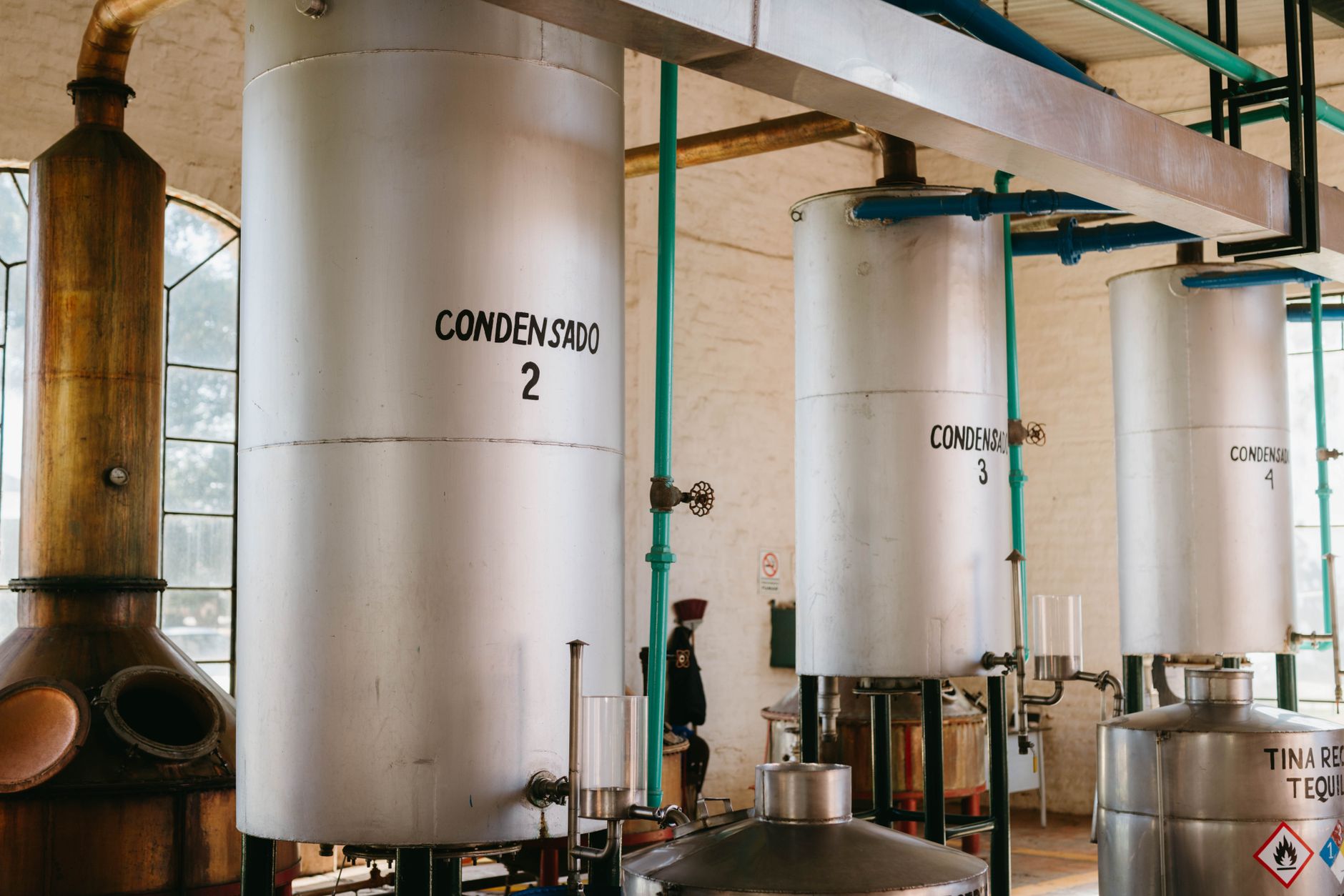
Vodka is a popular spirit enjoyed worldwide, often recognized for its versatility in cocktails and its distinctive purity. Understanding what vodka is made of can enhance your appreciation of this clear alcoholic beverage and inform your choices when selecting brands and incorporating it into recipes.
This article delves into the ingredients of vodka, its flavor profile, and various kitchen uses, ensuring you gain a comprehensive understanding of this beloved spirit.
What Is Vodka Made Of?
Vodka is primarily made from water and ethanol, but the source of the ethanol can vary, resulting in different flavor profiles and characteristics. Common ingredients include grains such as wheat, rye, corn, and barley, as well as potatoes, grapes, and even sugar beets. Each base ingredient contributes unique textures and flavors to the vodka.
The Ingredients of Vodka
While the majority of vodka is composed of water and ethanol, let’s explore the common base ingredients that provide its character:
Grains
- Wheat: Wheat-based vodka typically has a smooth, soft finish and is known for its mild flavor.
- Rye: Rye-infused vodka tends to be spicier and has a distinct, robust character that can add depth to cocktails.
- Corn: Corn vodka, such as that used in American brands, is sweeter and often has a slightly creamy mouthfeel.
- Barley: Barley provides a rich flavor, often resulting in a slightly nutty and malted taste.
Potatoes
Potato vodka is known for its creamy texture and earthy flavor profile. It is often associated with artisanal vodka brands and is renowned for its high quality and smoothness.
Fruits
Some vodkas are produced from fruits, such as grapes, which can impart unique aromas and flavors. Grape-based vodkas are usually thicker and slightly sweeter.
Other Ingredients
- Sugar Beets: Vodka made from sugar beets highlights sweetness and can blend well with other flavors in recipes.
- Other Botanicals: Some artisanal vodkas may include botanicals or spices during distillation for added complexity, although this is less common.
The Distillation Process
Regardless of the base ingredient used, the vodka-making process involves fermentation and distillation. Here’s a simplified breakdown:
Fermentation
- The chosen base ingredient is ground and mixed with water.
- Yeast is added, converting the sugars in the base material into alcohol and carbon dioxide, creating a mash.
- This mash is left to ferment, usually for several days, until the desired alcohol level is reached.
Distillation
- Once fermentation is complete, the mash is heated in a still.
- The alcohol vapor rises and is collected at a higher concentration, separating it from the residual solids.
- Distillation can occur multiple times to enhance purity, often resulting in a higher-quality vodka.
Water Quality in Vodka
The water used in vodka production plays a crucial role in the final product. High-quality vodka typically uses purified water sourced from natural springs or deep wells. The mineral content in the water can influence the mouthfeel and overall flavor, making it essential for distillers to select proper water sources.
Flavor Profiles of Vodka
The flavor of vodka is characterized by its smoothness and lack of strong taste. However, subtle differences exist based on the ingredients used. Here’s a general overview of the flavor profiles:
Soft and Clean
Wheat vodka is favored for its soft and clean taste. Many popular brands utilize this base for a straightforward drinking experience.
Spicy and Bold
Rye vodka introduces a sharper flavor profile, often resulting in a bolder cocktail choice that pairs well with savory ingredients.
Sweet and Creamy
Corn and potato vodkas are on the sweeter side, ideal for cocktails that require a milder foundation. Their smoothness can make them suitable for sipping.
Common Vodka Brands and Their Ingredients
Many vodka brands showcase diverse ingredients contributing to their unique flavors:
- Grey Goose: Made from French wheat and natural spring water, it is known for its soft and smooth taste.
- Belvedere: This Polish vodka is crafted from rye, offering a rich flavor profile with a slightly spicy finish.
- Absolut: Swedish vodka crafted from winter wheat provides a clean taste, favored for mixing in cocktails.
- Kettle One: Made from 100% wheat, known for its soft and silky mouthfeel, Kettle One is a popular choice for martinis.
- Chopin: A renowned potato vodka from Poland, featuring a creamy texture and an earthy flavor.
How to Choose Vodka for Cooking and Cocktails
Choosing the right vodka can significantly impact the flavor and quality of your cocktails and cooking endeavors. Here are some tips:
For Cocktails
- Opt for mid-range vodka brands known for their smoothness and balanced flavors.
- If a cocktail features bold or strong flavors, a more neutral vodka works best to complement the other ingredients.
For Cooking
When cooking with vodka, such as in sauces or pasta dishes, use a vodka with a flavor that complements the dish:
- Milder vodkas suit creamy or tomato-based sauces.
- Spiced vodkas can enhance marinades or the stuffing of vegetables for added warmth.
Kitchen Uses for Vodka
Vodka is not just a drink; its versatility extends to various culinary applications. Here are some popular uses:
Cocktails
Vodka is the base for numerous cocktails that range from simple to complex. Classic options include:
- Moscow Mule: A refreshing combination of vodka, ginger beer, and lime.
- Vodka Martini: A sophisticated blend of vodka and dry vermouth served straight or on the rocks.
Cooking
In the kitchen, vodka can add depth and brightness to dishes:
- Vodka Sauce: A creamy tomato sauce enhanced with a splash of vodka, bringing out rich flavors.
- Marinades: Vodka can tenderize meat while helping flavors meld together.
Common Mistakes When Using Vodka
When cooking or mixing with vodka, consider these common pitfalls:
- Using Overly Expensive Vodka: There’s no need to splurge on top-shelf vodka for cooking or mixed drinks; mid-range options work perfectly.
- Ignoring Temperature: Many cocktails benefit from proper chilling. Ensure vodka and mixers are adequately cooled before serving.
Storage and Shelf Life
Proper storage can prolong the quality of vodka. Here are some guidelines:
- Keep It Cool: Store vodka in a cool, dark place, away from sunlight and heat sources.
- Freezing Vodka: Vodka can be stored in the freezer without affecting its quality, making it ideal for serving chilled.
Conclusion
Understanding what vodka is made of helps to enhance your culinary and tasting experiences. The ingredients used in vodka—from grains to potatoes—significantly impact its character and flavor. Whether you’re mixing up cocktails or cooking with vodka, selecting the right type can elevate your dishes and drinks alike.
Explore delicious cocktails like the Vodka Collins and master the art of crafting a Dirty Vodka Martini to experience vodka in its finest form.