
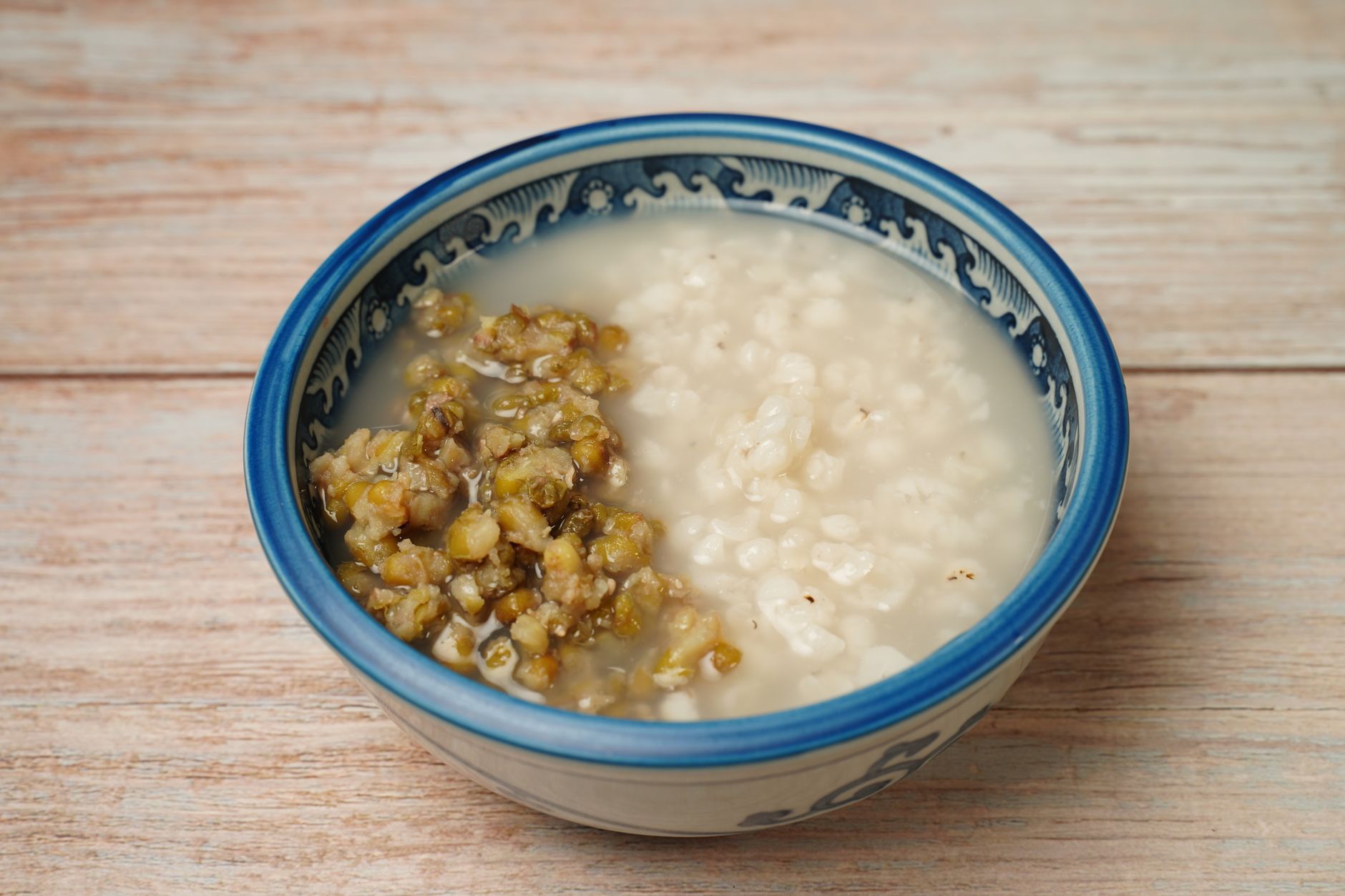
Uji is a traditional porridge originating from East Africa, particularly popular in Kenya and Tanzania. Made primarily from fermented, ground grains, this nutritious dish is cherished for its comforting texture and health benefits. Uji can be tailored to various tastes and dietary preferences, making it a staple breakfast or snack in many households.
This versatile porridge offers a rich flavor profile and varied textures, depending on the ingredients used. Using different grains, such as millet, sorghum, or maize, allows you to customize the taste and nutritional content of your uji. Whether served plain or sweetened, uji is an ideal choice for a wholesome meal any time of the day.
What Is Uji?
Uji is a fermented porridge made from ground grains, often accompanied by milk or water to create a creamy consistency. It is typically served for breakfast or as a snack and can be flavored with sweeteners, fruits, or spices to enhance its taste. The fermentation process not only adds depth to the flavor but also introduces beneficial probiotics.
Ingredients and Variations
The basic recipe for uji can be quite simple, consisting of only a few ingredients. However, you can modify it according to personal preferences or dietary needs. Below is a detailed breakdown of the typical ingredients used in uji:
- Grains: The primary ingredient, which can include:
- Maize (corn)
- Millet
- Sorghum
- Wheat
- Rice
- Water or Milk: Used to cook and achieve the desired consistency, milk adds creaminess and nutrition.
- Fermentation Starter: Some traditional recipes may incorporate a small amount of previously fermented uji or sour milk to kickstart the fermentation process.
- Sweeteners (optional): Sugar, honey, or molasses can be added for sweetness according to taste.
- Flavorings (optional): Spices such as cinnamon or vanilla, and fruits like bananas or mangoes can enhance the overall flavor.
Popular Variations
Uji is adaptable, allowing for numerous variations based on local availability and personal preference:
- Sweet Uji: Often prepared with added sugars or honey and topped with fruits or nuts.
- Savory Uji: Flavored with savory spices, vegetables, or even a poached egg for a heartier meal.
- Nutty Uji: Incorporates ground nuts or seeds to enrich the porridge and add texture.
Flavor Profile of Uji
The flavor of uji is primarily determined by the type of grain used, the fermentation process, and added ingredients. Uji made from maize may have a mild sweetness, while millet or sorghum could impart slightly nutty or earthy undertones. The fermentation process enhances the taste by developing tangy notes, similar to yogurt, which complements sweetness from added ingredients.
When serving uji, consider incorporating complementary flavors and textures:
- Fruits: Fresh fruits such as bananas, mangos, raspberries, or strawberries can add a refreshing contrast.
- Nuts and Seeds: Chopped nuts or seeds can provide a satisfying crunch, making the dish more filling.
- Spices: Cinnamon, nutmeg, or ginger can elevate the flavor, adding warmth and complexity to your dish.
How to Serve Uji
Uji can be enjoyed in various settings, whether at breakfast, as a snack, or even at dinner. Here’s how you can serve it based on different preferences:
- Breakfast: Serve warm uji in a bowl, drizzled with honey or syrup, and topped with fresh fruits and nuts for a nourishing start to the day.
- Snack: Prepare a lighter version with less liquid, presenting it in smaller cups, garnished with a sprinkle of cinnamon or a dusting of nutmeg.
- Dinner: Offer savory uji as a side dish, perhaps paired with a vegetable stew or grilled meat, to balance the meal.
Making Uji: Step-by-Step Recipe
Now that you’re familiar with the ingredients and serving methods, let’s explore how to make uji at home. This straightforward recipe yields approximately 4 servings and takes around 20 minutes to prepare and cook.
Ingredients
- 1 cup of your choice of grain (maize, millet, sorghum)
- 4 cups of water (or 2 cups of water and 2 cups of milk)
- 2 tablespoons of sweetener (sugar, honey, or to taste)
- Optional flavorings (spices, fruits, nuts)
Essential Equipment
- Medium pot
- Wooden spoon or whisk
- Measuring cups
- Serving bowls
Method
- Prepare the Grains: If using whole grains, soak them overnight in water, then rinse. For pre-ground grains, skip this step.
- Cook the Grains: In a medium pot, bring water (and milk, if using) to a boil. Reduce heat to low and add the ground grains, stirring continuously to avoid lumps.
- Simmer: Continue cooking over low heat, stirring until the mixture thickens, about 10-15 minutes. If it becomes too thick, add more water or milk to reach the desired consistency.
- Sweeten: Once cooked, stir in your sweetener and any optional flavorings, ensuring even distribution.
- Serve: Ladle the warm uji into bowls. Top with your preferred fillings, such as fruits or nuts, and enjoy!
Practical Tips for Making Uji
To achieve the best flavor and texture for your uji, consider the following tips:
- Consistency: Adjust the liquid amounts to attain your desired thickness; thicker uji is more filling, while thinner versions are lighter.
- Fermentation: If time allows, let the uji sit for a few hours before serving. This enhances flavor and provides additional probiotics.
- Ingredient Freshness: Use fresh grains for optimal flavor and texture. Store grains properly in airtight containers to maintain quality.
- Experiment: Don’t hesitate to explore different grains, sweeteners, or toppings to find your favorite combination!
Common Mistakes and Troubleshooting
Even with straightforward recipes, mistakes can happen. Here’s how to address common issues in uji preparation:
- Lumpy Texture: To avoid lumps, whisk continuously while cooking, and ensure to gradually add the grains to the boiling liquid.
- Too Thick or Thin: Adjust with additional water or milk as needed throughout the cooking process. Remember to stir well.
- Unpleasant Flavor: Make sure to properly ferment the grains for a mild, pleasant tang. If it’s too sour, consider adding more sweetener.
Storage and Meal Prep
If you find yourself with leftover uji, it can be stored and reheated quite easily:
- Storage: Allow uji to cool completely before transferring it to an airtight container. Store in the refrigerator for up to 3 days.
- Reheating: To reheat, add a splash of water or milk to the cold uji and warm it on the stovetop over low heat, stirring until warmed through.
Health Benefits of Uji
Uji is valued not only for its comforting taste but also for its nutritional benefits:
- High in Fiber: Depending on the grain, uji can provide a good amount of dietary fiber, which aids digestion.
- Nutrient-Rich: It delivers essential vitamins and minerals, particularly when whole grains are used.
- Probiotics: The fermentation process can introduce beneficial bacteria, supporting gut health.
Though uji is generally nutritious, consider personal dietary restrictions and consult with a healthcare professional if needed to ensure it meets your specific health goals.
Exploring Uji in the World of East African Cuisine
Uji plays a significant role in East African culinary traditions, embodying the culture and heritage of the region. It often symbolizes warmth and nourishment, frequently being shared among families and communities. Additionally, variations of uji can be found across neighboring countries, each with its unique twist and flavor.
Some cultures might serve uji on special occasions, such as during festivities or as part of ceremonies, showcasing its importance in social gatherings. This aspect of uji highlights its versatility—not only as a dish for daily consumption but also as a means to connect with culture and community.
In your exploration of uji, consider trying it with different accompaniments based on traditional practices or personal preferences. The journey of flavor is rich and diverse, offering endless possibilities for enjoyment.
By understanding what uji is and how to prepare it, you can appreciate its diverse flavors, textures, and cultural significance. Now that you have the knowledge, try making uji at home for breakfast or enjoy it as a nourishing snack during the day.
To further expand your culinary repertoire, explore recipes like chia pudding or a refreshing mango sago. Each dish offers unique flavors and textures to enhance your meal planning efforts.