
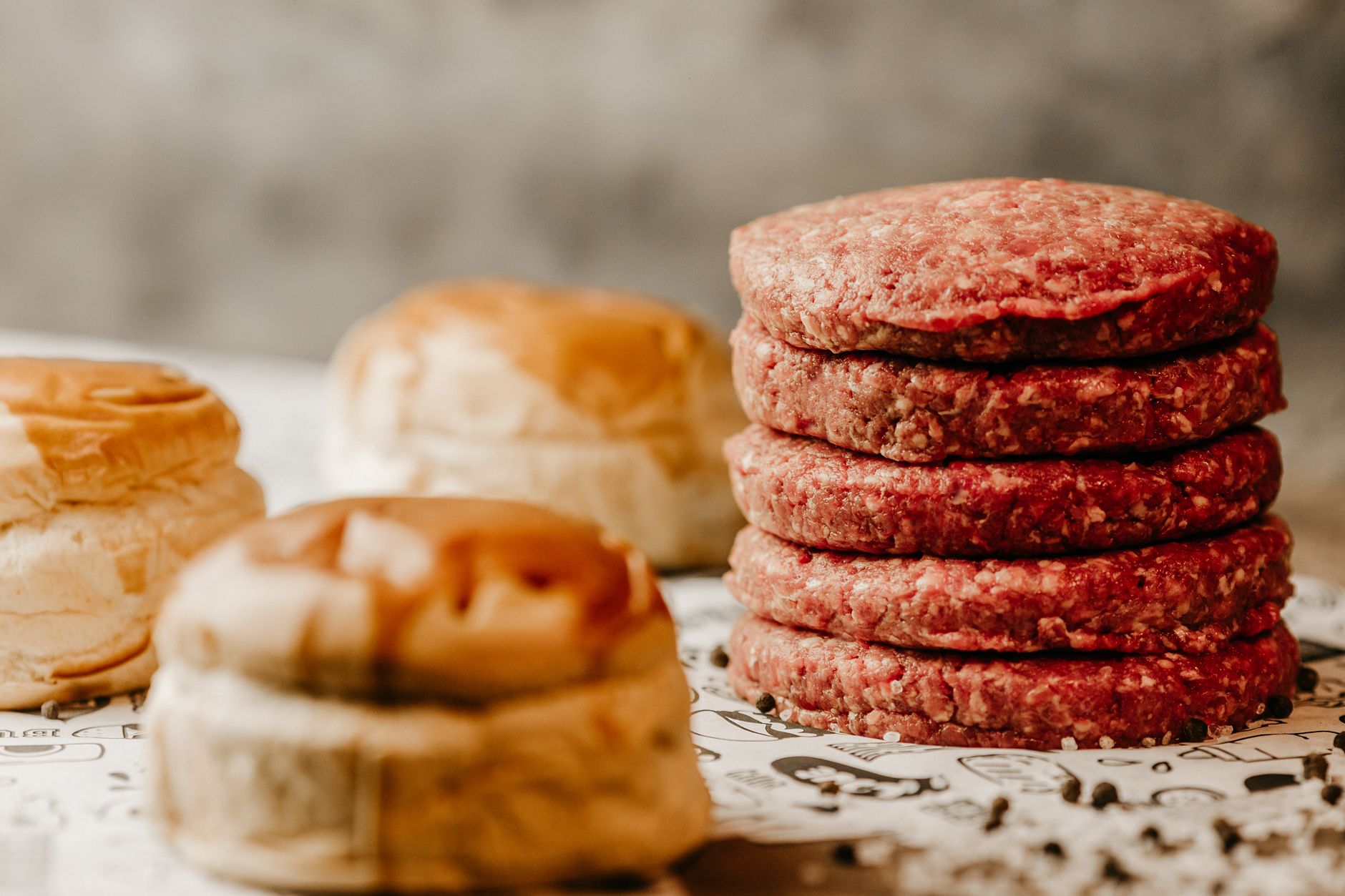
When it comes to food safety, knowing how long raw hamburger lasts in the fridge is essential for anyone who regularly cooks with ground beef. Proper storage and understanding shelf life can help you avoid foodborne illnesses while ensuring you’re making the most of your ingredients.
This article will detail how long you can keep raw hamburger in the refrigerator, how to store it safely, and tips for ensuring its freshness. Read on to learn everything you need to know about storing raw hamburger correctly.
How Long Does Raw Hamburger Last in the Fridge?
Raw hamburger can typically last in the fridge for 1 to 2 days if stored correctly. Keeping it at a consistent refrigerator temperature of 40°F (4°C) or below is crucial to prevent bacterial growth. Always check for signs of spoilage before cooking.
Understanding the Shelf Life of Raw Hamburger
The shelf life of raw hamburger, often referred to as ground beef, largely depends on storage conditions and how fresh it was when purchased. Below are some critical points to consider:
- Purchase Date: Fresh hamburger usually comes with a sell-by date. Always purchase beef as close to this date as possible.
- Storage Temperature: The fridge temperature should be set to 40°F (4°C) or lower for optimal storage.
- Packaging: Original packaging can influence how long the hamburger lasts. If opened, it’s best to wrap it tightly or transfer it to an airtight container.
- Ground Beef Quality: The better the quality of the meat you purchase, the longer its freshness will generally last.
Signs of Spoilage
Checking for signs of spoilage is perhaps the most critical step in ensuring your raw hamburger is safe to use. Here are some indications that your hamburger has gone bad:
- Off Odor: A strong, sour, or unusual smell is an indicator that the meat is no longer safe to consume.
- Color Changes: Fresh ground beef should be a bright red color. If you notice brown or gray spots, this can be a sign of oxidation, although it does not always mean that the meat is spoiled.
- Texture: If the beef feels slimy or sticky instead of firm and dry, it’s best to err on the side of caution and throw it away.
- Mold: Any visible mold on the surface of the hamburger is a definite sign of spoilage and should not be consumed.
Safe Storage Tips
Storing raw hamburger properly can extend its shelf life and maintain its quality. Here are some practical tips:
- Keep It Cold: Always store hamburger in the refrigerator if you plan to use it within a couple of days. For longer storage, freezing is the best option.
- Use Airtight Containers: If you opened the original packaging, transfer the hamburger to airtight containers. This reduces exposure to air and moisture.
- Label and Date: Use labels to mark containers with purchase and use-by dates. This will help you keep track of freshness.
- Avoid Cross-Contamination: Store raw hamburger on the bottom shelf of the refrigerator to prevent any juices from contaminating other foods.
- Use a Food Thermometer: If you’re unsure about the meat’s freshness, use a food thermometer to check the internal temperature before cooking.
Freezing Raw Hamburger
If you have purchased more hamburger than you can use within 2 days, freezing is an excellent option. Properly freezing raw hamburger can extend its storage life significantly.
How to Freeze Raw Hamburger
- Wrap it Properly: Use plastic wrap, foil, or freezer bags designed for meat to wrap raw hamburger securely to prevent freezer burn.
- Remove Excess Air: When using freezer bags, remove as much air as possible before sealing it. Vacuum sealing is an excellent option for preserving quality.
- Label with Date: Make sure to label the bag or container with the date of freezing to keep track of how long it has been stored.
Freezing Duration
Properly stored raw hamburger can last in the freezer for about 3 to 4 months without significant loss of quality. While it may still be safe to consume beyond this timeframe, it can start to lose flavor and texture.
Thawing Frozen Hamburger
Thawing hamburger correctly is essential to ensure safety and quality. Here are the recommended methods:
- Refrigerator Thawing: The safest way to thaw frozen hamburger is by placing it in the refrigerator overnight. This keeps it at a safe temperature.
- Cold Water Thawing: If you need to thaw it faster, submerge the wrapped hamburger in cold water, changing the water every 30 minutes until fully thawed.
- Microwave Thawing: While not recommended, if you’re in a hurry, you can use the microwave’s defrost setting. Cook immediately after thawing in this method, as some areas may become warm.
Cooking Raw Hamburger
Cooking raw hamburger is a common practice, but ensuring that it is safe for consumption requires careful attention to detail.
Safe Cooking Temperature
The USDA recommends cooking ground beef to a minimum internal temperature of 160°F (71°C) to ensure it’s safe to eat. Use a food thermometer at the thickest part of the meat to check the temperature accurately.
Common Cooking Mistakes
- Not Preheating: Failing to preheat your cooking surface (pan or grill) can lead to uneven cooking and food safety issues.
- Using the Same Surface: Always clean any surfaces or utensils that contacted raw meat thoroughly before using them for cooked foods to prevent cross-contamination.
- Underestimating Doneness: Some people rely solely on color to determine if hamburger is done. Always verify the temperature to ensure safety.
Storing Cooked Hamburger
If you have cooked hamburger and need to store it, here’s what to consider:
- Refrigerating Cooked Hamburger: Cooked hamburger can be stored in the fridge for 3 to 4 days in an airtight container.
- Freezing Cooked Hamburger: It can also be frozen for 2 to 3 months. Make sure it’s cooled completely before transferring it to the freezer.
Recipes Using Raw Hamburger
Raw hamburger is versatile and can be used in various recipes. Here are a few popular options:
- Hamburgers: The classic choice that requires simply seasoning and grilling or pan-frying your hamburger patties.
- Meatballs: Combine with breadcrumbs, spices, and binders before baking or frying for a delicious addition to pasta or subs.
- Tacos: Cook and season hamburger for flavorful tacos, adding your favorite toppings.
- Chili: Ground beef adds heartiness to chili, providing richness to the dish.
Final Thoughts on Raw Hamburger Storage
Understanding how long raw hamburger lasts in the fridge and following safe storage practices can greatly reduce the risk of foodborne illnesses. Always remember to check for signs of spoilage and maintain proper temperatures during storage and cooking.
For an extra layer of safety, keep an eye on your fridge and freezer management. This not only ensures food safety but also helps reduce food waste and saves you money. With these guidelines in mind, enjoy your culinary adventures with raw hamburger without worries!
Feel free to check out our articles on how long ground beef lasts in the fridge and how long cooked ground beef lasts in the fridge for more tips on safely handling ground meats.