
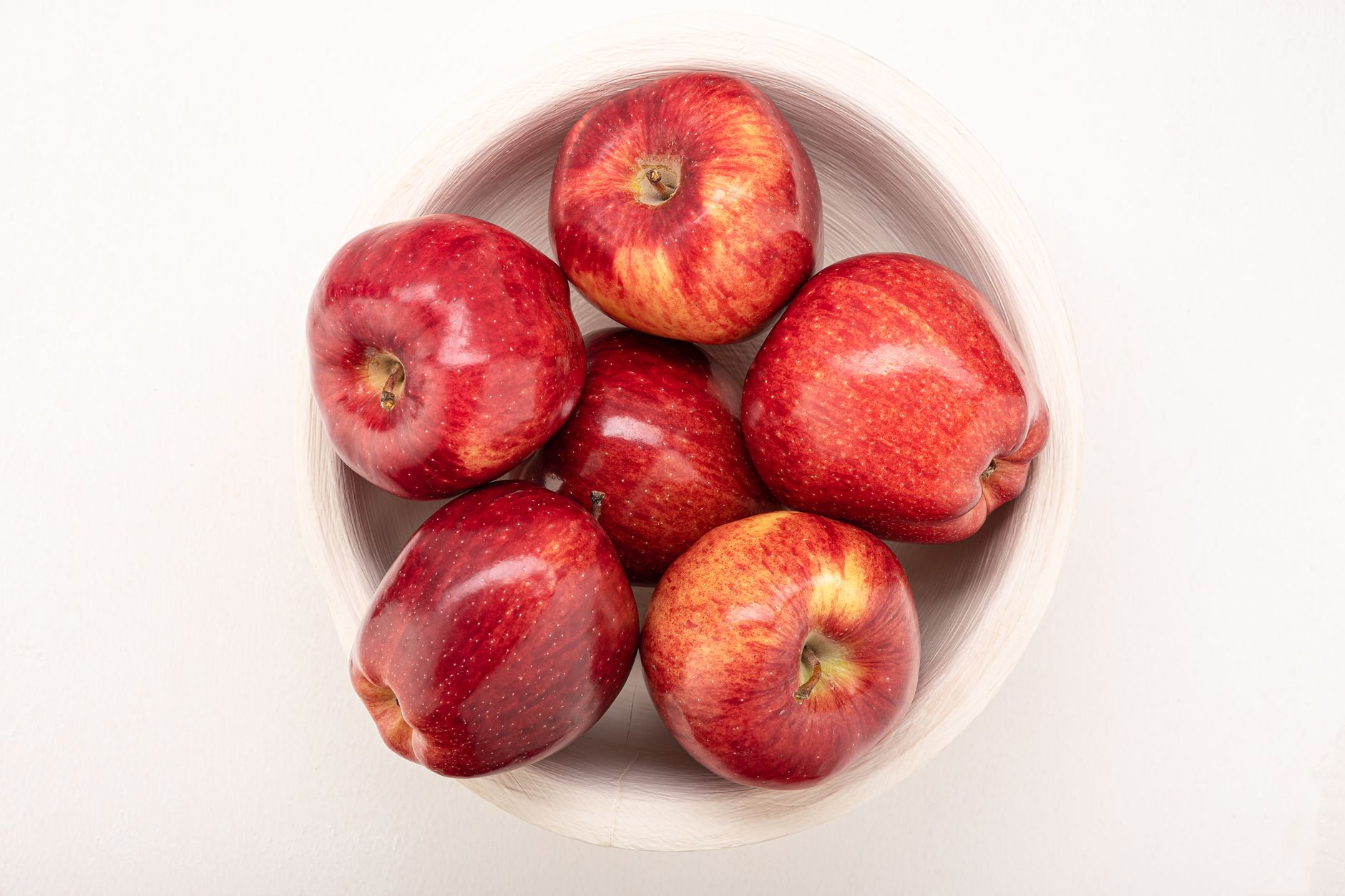
Apples are one of the most popular fruits worldwide, loved for their crisp texture and sweet-tart flavor. They are not only delicious but also versatile, serving a variety of culinary purposes from snacking to baking. However, proper storage is crucial to maintaining their freshness and preventing spoilage. In this guide, we will explore how long apples last when stored unrefrigerated, as well as tips and tricks for maximizing their shelf life.
Understanding the factors that influence the longevity of apples can help you enjoy this fruit to its fullest. We will cover everything from ideal conditions for storing apples to signs of spoilage. Whether you have a bushel of freshly picked apples or a few purchased ones, this article is your comprehensive resource for keeping them fresh and delicious.
How Long Do Apples Last Unrefrigerated?
Apples can last anywhere from a few days to several weeks when stored unrefrigerated, depending on their variety and the environment in which they are kept. Generally, apples will remain fresh for about 4 to 7 days at room temperature, but certain factors—such as light, humidity, and air circulation—will affect their longevity.
Factors Affecting Apple Shelf Life
To truly understand how long apples last when left unrefrigerated, it’s essential to consider several factors that can impact their freshness. Let’s dive into these factors:
1. Apple Variety
Different varieties of apples have varying shelf lives. For instance, firmer apples, such as Fuji and Honeycrisp, tend to last longer than softer varieties like McIntosh and Red Delicious. Knowing the variety you have can help you understand its potential lifespan.
2. Ripeness Level
The ripeness of the apple when purchased also plays a crucial role. A fully ripe apple will have a shorter shelf life than one that is still firm and crisp. If you notice that your apples are under-ripe, they may last longer at room temperature as they will continue to ripen.
3. Storage Conditions
The environment where apples are kept significantly influences their longevity. Factors such as temperature, light exposure, humidity, and air circulation can all play a part. Ideal conditions include a cool, dark place with good air circulation. Here are some specific considerations:
- Temperature: Room temperature should ideally be around 65-70°F (18-21°C).
- Light: Keep apples away from direct sunlight as this can accelerate spoilage.
- Humidity: High humidity can encourage mold growth, whereas low humidity can cause apples to shrivel.
- Air Circulation: Ensure that apples are not stacked tightly; this promotes better airflow and reduces the chance of rot.
4. Handling and Damage
Handling apples with care is vital for keeping them fresh. Bruises or cuts can create openings for mold and bacteria to enter. Always inspect apples for any signs of damage before storage, and consider removing any apples that show signs of spoilage from the batch to prevent them from affecting the others.
Signs of Spoilage in Apples
To determine if your apples are still good to eat, look for the following signs of spoilage:
- Soft Spots: Feel for any areas that are mushy; these are indicators of overripeness or decay.
- Wrinkles and Shriveling: When apples start to dry out, they may become wrinkly and lose their firmness.
- Discoloration: Look for dark spots or unusual coloring that may indicate mold or decay.
- Off Smell: Fresh apples should have a pleasant, fruity aroma. An off or fermented smell is a sign of spoilage.
Best Practices for Storing Apples Unrefrigerated
To extend the life of your apples when storing them unrefrigerated, follow these best practices:
1. Keep Them in a Cool, Dark Place
A pantry or cupboard away from heat sources is ideal. Avoid locations near areas where sunlight penetrates or appliances that generate heat.
2. Separate from Other Fruits and Vegetables
Apples produce ethylene gas, which can hasten the ripening process of other fruits and vegetables. For this reason, it’s best to store apples separately to avoid premature spoilage.
3. Use Breathable Containers
Instead of using plastic bags, consider mesh bags or a fruit bowl that allows for air circulation. Keeping apples in a breathable container helps prevent moisture accumulation and reduces spoilage risk.
4. Regularly Inspect Your Apples
Check your stored apples regularly for any signs of spoilage. Remove any apples that show signs of decay to prevent them from affecting the rest.
Extending Shelf Life: What You Can Do
If you are looking to keep apples fresh longer beyond their unrefrigerated lifespan, here are some additional techniques:
1. Altering Storage Conditions
If you notice that your room temperature fluctuates significantly, consider adjusting your storage method. A cool, stable basement may be preferable over a warm kitchen.
2. Buying Less but More Often
If possible, buy apples in smaller quantities more frequently. This reduces the chances of apples over-ripening before you can consume them. Opt for a different variety each time to enjoy diverse flavors.
3. Use Temporary Refrigeration
If you have an abundance of apples and are worried they might spoil, consider refrigerating them for a short period. While this isn’t an unrefrigerated storage method, it can buy you time before you need to consume them. Just be aware that refrigeration can alter the texture slightly.
What to Do With Overripe Apples
If you find that some of your apples have become overripe or you simply have too many on hand, don’t fret. There are several delicious ways to use them:
1. Applesauce
Making homemade applesauce is a great way to use up overripe apples. Simply peel, core, and chop the apples, then cook them down with a bit of water and sugar until they reach your desired consistency.
2. Baking
Use overripe apples in recipes like apple pies, crumbles, or muffins. Their softness makes them perfect for baking, where they can add sweetness and moisture.
3. Smoothies and Juices
Blend overripe apples into smoothies or juice them. Their flavor will blend well with other fruits and vegetables, making a nutrient-packed drink.
4. Pickling
If you’re feeling adventurous, consider pickling overripe apples for a unique twist. Their tartness can balance well in this preparation.
Conclusion
Storing apples properly can significantly extend their shelf life when left unrefrigerated. By being mindful of the variety, ripeness, and storage conditions, you can enjoy fresh apples for days or even weeks. Always keep an eye on their condition and remove any spoiled apples to keep the rest safe.
Next time you have apples at home, use the tips outlined above to maximize their freshness and transform any overripe ones into delicious creations. For more fun with apples, check out our Apple Compote Recipe and Apple Pie Filling Recipe. Enjoy your culinary journey with this fantastic fruit!