
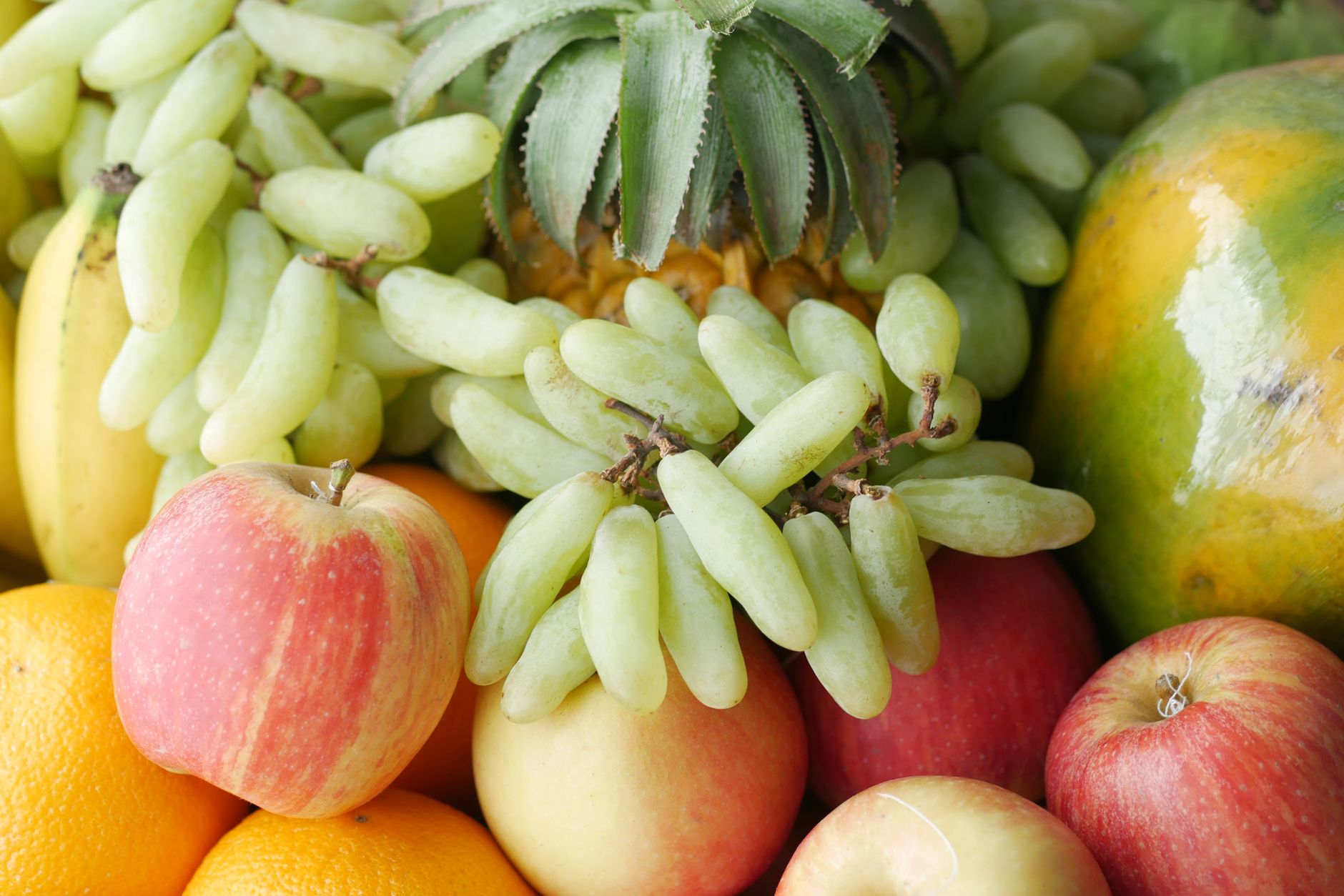
The quest to find the sweetest fruit can lead one down a delicious path filled with vibrant colors and enticing flavors. From tropical delights to classic favorites, various fruits pack an astonishing amount of natural sugar into their juicy compositions. Understanding which fruits rank as the sweetest and their unique qualities can enhance your culinary experiences, inspire meal prep, and elevate mundane snacks into extraordinary treats.
This guide will explore the sweetest fruits available, highlighting their taste profiles, textures, and versatile kitchen uses. Whether you’re looking for snacking options, dessert ingredients, or flavorful additions to savory dishes, we’ve got you covered.
What Is The Sweetest Fruit?
The sweetest fruits are typically those with a higher sugar content, and the title can vary based on growing conditions, ripeness, and variety. Generally, fruits like figs, dates, grapes, and certain tropical fruits like mangoes and bananas are among the sweetest. Their natural sugars can vary, but they usually top the sweetness charts among common fruits.
Top Sweetest Fruits
1. Figs
Figs are known for their unique taste and chewy texture. Their interior is often filled with small seeds, contributing to a sweet, slightly earthy flavor. Dried figs are especially sweet, making them perfect for snacking or adding to baked goods and salads.
2. Dates
Dates are exceptionally high in sugar—often exceeding 66 grams per 100 grams. This makes them incredibly sweet and a popular natural sweetener for many recipes. Their rich, caramel-like flavor pairs well with nuts, chocolate, and grains.
3. Grapes
Sweet varieties of grapes, particularly Concord and Cotton Candy, can catch your attention for their high sugar content. Grapes are juicy with a crisp texture, enjoyed fresh, or dried into raisins. They add sweetness to salads and are a common base for jams and jellies.
4. Mangoes
Often heralded as the “king of fruits,” ripe mangoes offer a juicy sweetness and tropical aroma. The fruit is smooth and creamy in texture, making it ideal for desserts, smoothies, or salsas. Its distinct flavor and sweetness can elevate any meal.
5. Cherries
Cherries, particularly sweet varieties like Bing, provide a delightful burst of sweetness with every bite. Their succulent texture and bright color make them perfect for snacking, desserts, and toppings in yogurt or oatmeal.
6. Pineapple
Pineapple is a tropical delight with a sweet and tangy flavor profile. Its fibrous flesh is juicy, making it an excellent addition to fruit salads, smoothies, or even grilled dishes. When selecting a ripe pineapple, it should have a sweet aroma and some give when pressed.
7. Apples
While not the sweetest fruit on the list, certain apple varieties, such as Fuji and Honeycrisp, offer a remarkable sweetness with a firm texture. They can be enjoyed raw or baked, and they serve well in desserts and salads alike.
8. Bananas
Bananas are a popular and convenient fruit known for their high sugar content and creamy texture. They are a quick snack option and can easily be added to smoothies, oatmeal, or baked goods, enhancing both flavor and natural sweetness.
Flavor Profiles and Textures
Understanding the flavor profiles and textures of these fruits helps in selecting the right one for your culinary needs. Here’s a breakdown:
- Figs: Sweet, earthy, chewy.
- Dates: Rich, caramel, sticky.
- Grapes: Juicy, crisp, refreshing.
- Mangoes: Sweet, tropical, smooth.
- Cherries: Sweet, slightly tart, succulent.
- Pineapple: Sweet, tangy, fibrous.
- Apples: Sweet (varying), crisp, juicy.
- Bananas: Sweet, creamy, soft.
Kitchen Uses For The Sweetest Fruits
The versatility of these sweet fruits allows for endless culinary creations. Here are some imaginative ways to incorporate the sweetest fruits into your cooking:
Snacks and Appetizers
These fruits make perfect snacks on their own or when paired with other foods!
- Fruit platters: Combine grapes, cherries, and slices of mango. Add cheese or nuts for variation.
- Chocolate-covered fruits: Dip strawberries, figs, or bananas into melted chocolate for a sweet treat.
- Stuffed dates: Fill dates with cream cheese or almond butter and top with nuts for a protein-rich snack.
Breakfast Ideas
Brighten up your morning routine with these fruit-filled breakfast options.
- Smoothies: Blend bananas, mangoes, and a handful of spinach for a nutrient-rich breakfast.
- Overnight oats: Mix oats with diced apples and raisins, add milk or yogurt, and refrigerate overnight.
- Pancake toppings: Serve pancakes topped with sliced figs or bananas and a drizzle of honey.
Desserts
The natural sweetness of fruits can replace refined sugars in many dessert recipes.
- Fruit salads: Combine a variety of sweet fruits for a refreshing side dish or dessert.
- Pies and tarts: Use cherries or apples as the filling for baked desserts.
- Frozen treats: Puree ripe bananas and freeze them for a creamy homemade popsicle.
Savory Dishes
Embrace the balance of sweet fruits in savory cooking.
- Salsas: Combine mango with onion, cilantro, and lime for a delicious salsa topping for meats.
- Salads: Toss figs or apple slices with greens, nuts, and cheese for an elevated salad.
- Grilled fruit: Grill pineapple slices to serve alongside savory dishes like pork or chicken.
Practical Substitutions
Fruits can often be interchanged in various recipes, depending on taste preferences and availability. Here are a few common substitutions:
- Figs: Dried apricots can be substituted in baked goods for a similar texture and sweetness.
- Dates: Medjool dates work well in place of refined sugars in desserts and energy bars.
- Mango: Papaya can replace mango in smoothies or salsas for a different tropical flavor.
- Cherries: Pitted plums or blackberries can work as a substitute in baking.
Flavor and Texture Considerations
While substituting fruits, consider the following:
- Texture: Figs and dates have a sticky, dense texture, while fresh fruit like mangoes and apples provide more crunch.
- Flavor: Experiment with flavors, as some fruits may have distinct profiles which can change the overall essence of the dish.
Common Mistakes and Troubleshooting
Incorporating sweet fruits into your cooking can sometimes go awry. Here are common mistakes and ways to avoid them:
- Over-ripening: Ensure fruits like bananas and mangoes do not over-ripen before using them in recipes as they can lose texture.
- Not washing fruits: Always wash fruits thoroughly, especially those consumed raw, to prevent pesticide residue.
- Balancing sweetness: Always taste and adjust flavors when adding sweet fruits to ensure they do not overpower other components of the dish.
Storage and Reheating Guidance
Sweet fruits require proper storage to maintain freshness. Here’s how to store some of the sweetest fruits:
- Figs: Store in the refrigerator for up to a week. Do not wash until ready to eat.
- Dates: Keep dry dates in an airtight container at room temperature. They can last for months.
- Grapes: Store unwashed in the refrigerator. Wash just before eating.
- Mangoes: Ripen on the counter; once ripe, store in the refrigerator for up to five days.
- Cherries: Store in the fridge and consume within a week for optimal freshness.
- Pineapple: Cut pineapple should be stored in a sealed container in the refrigerator for up to one week.
- Apples: Store in a cool place or the refrigerator; they can last for several weeks.
- Bananas: Keep bananas at room temperature; refrigerate once ripe to slow down spoilage.
Final Thoughts
When selecting fruits, considering sweetness can dramatically affect your meals. The seasonal availability of fruits also adds a layer of excitement and creativity to your cooking. Use this guide to explore the sweetest fruits and their potential in your kitchen. From snacking to baking, every fruit has a role in enhancing the flavors and textures of your dishes.
Explore our guides on candied fruit and candied grapes for more delicious inspiration. Enjoy the sweetness in your cooking!