
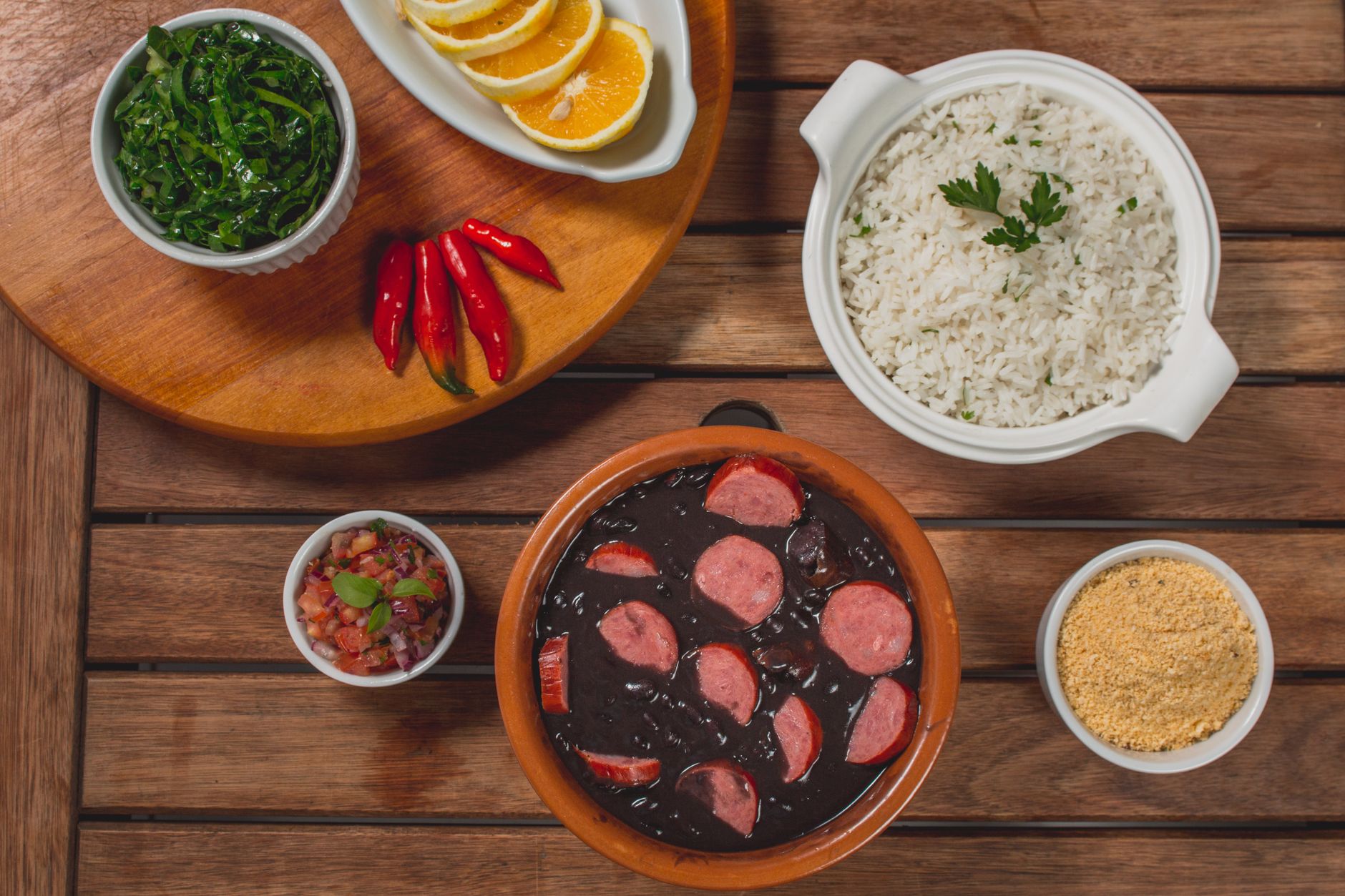
Cuban cuisine is a vibrant blend of Spanish, African, and Caribbean influences, reflecting its rich cultural history. With the island’s abundance of fresh produce and seafood, it’s no surprise that certain dishes have become iconic. This article explores the most popular food in Cuba, focusing on traditional ingredients, preparation methods, and their cultural significance.
Among the array of delicious options, the dish “Ropa Vieja” stands out as a quintessential representation of Cuban comfort food. It consists of shredded beef in a savory tomato sauce, spiced with bay leaves, bell peppers, and olives, exemplifying the robust flavors of Cuban cooking.
What Is the Most Popular Food in Cuba?
The most popular food in Cuba is Ropa Vieja, a flavorful dish that consists of shredded beef cooked with rich tomatoes, spices, and vegetables. It embodies the essence of Cuban cuisine, showcasing savory elements that are characteristic of the country’s traditional dishes.
Ingredients Commonly Used in Ropa Vieja
Ropa Vieja combines various ingredients resulting in a deliciously textured and flavored dish. Below is a list of the key components:
- 1 ½ pounds flank steak or brisket
- 2 tablespoons olive oil
- 1 large onion, sliced
- 1 bell pepper (green or red), sliced
- 3 cloves garlic, minced
- 1 can (14 ounces) crushed tomatoes
- 2 cups beef broth
- 1 tablespoon tomato paste
- 1 tablespoon red wine vinegar
- 2 teaspoons cumin
- 1 teaspoon oregano
- 1 bay leaf
- Salt and pepper to taste
- 1 cup green olives, sliced (optional)
- Cilantro or parsley for garnish (optional)
Cooking Equipment for Ropa Vieja
To prepare Ropa Vieja, the following basic kitchen equipment is needed:
- Large skillet or frying pan
- Slow cooker (optional for slow-cooking method)
- Cutting board and sharp knife
- Wooden spoon or spatula
- Meat fork or tongs
- Measuring cups and spoons
Preparation and Cooking Steps
This traditional dish can be prepared in the following steps:
- In a large pot, bring enough water to cover the beef. Add a pinch of salt and the flank steak or brisket, allowing it to simmer for about 60 to 90 minutes until tender.
- Once the meat is cooked, remove it from the pot to cool slightly. Retain the cooking liquid for later use.
- Shred the beef using two forks or with your hands and set it aside.
- In a large skillet, heat the olive oil over medium heat. Add sliced onions and bell peppers, cooking until they soften, about 5 to 7 minutes.
- Add minced garlic and cook for an additional minute until fragrant.
- Incorporate the crushed tomatoes, beef broth, tomato paste, red wine vinegar, cumin, oregano, bay leaf, salt, and pepper into the skillet. Stir well to mix the flavors.
- Bring the mixture to a light simmer and allow it to cook for about 10 minutes, stirring occasionally.
- Add the shredded beef into the pan, mixing it well with the tomato sauce. If the mixture is too thick, add some of the reserved cooking liquid until the desired consistency is reached.
- If using green olives, add them at this point to enhance the flavor. Cover the skillet and cook for an additional 20 to 30 minutes.
- Serve the Ropa Vieja hot, garnished with fresh cilantro or parsley, alongside rice and black beans.
Substitutions and Variations
For those looking to modify the recipe or accommodate dietary restrictions, several substitutions can be made:
- Meat alternatives: You can use chicken or jackfruit for a lighter version or a vegetarian option.
- Broth: Chicken or vegetable broth can replace beef broth for varied flavor profiles.
- Spices: Consider adding additional spices such as smoked paprika or chili powder for a spicier flavor.
- Tomato components: Fresh tomatoes can be used instead of canned for a fresher taste, but adjust the liquid content accordingly.
Common Mistakes to Avoid
Here are some common pitfalls when making Ropa Vieja, along with tips on how to avoid them:
- Overcooking the beef: Monitor the beef as it simmers to achieve the desired tenderness without becoming mushy.
- Not adding enough spices: Don’t hesitate to taste and adjust the spices throughout the cooking process to ensure full flavor.
- Using too little liquid: The dish should remain quite saucy; if it looks dry, add more broth or the reserved cooking liquid.
Serving Suggestions
Ropa Vieja is often served with a variety of sides, making it a versatile meal. Here are some popular accompaniments:
- White rice or yellow rice
- Black beans or red beans
- Fried plantains (Tostones or Maduros)
- Avocado slices
- Simple green salad
Make-Ahead Guidance
Ropa Vieja is an excellent make-ahead meal and even tastes better the following day as the flavors meld. Here are some tips for preparation:
- Cook the dish a day in advance and store it in an airtight container in the refrigerator. Reheat on the stovetop over low heat.
- The dish also freezes well. For long-term storage, place it in a freezer-safe container, ensuring all air is removed to prevent freezer burn.
- Defrost in the refrigerator overnight before reheating.
Cultural Significance of Ropa Vieja
Ropa Vieja is not just a meal; it symbolizes the melding of cultures that define Cuban cuisine. Dating back to the 18th century, the dish reflects the island’s Spanish heritage while embodying the African and Caribbean influences in its spices and preparation methods.
This dish is frequently served at family gatherings, celebrations, and traditional Spanish-style lunches, illustrating its importance in Cuban social and culinary culture. Along with rice and beans, Ropa Vieja holds a place as a staple in Cuban households.
Exploring Other Popular Cuban Dishes
While Ropa Vieja reigns as a favorite, Cuban cuisine comprises numerous other beloved dishes. Here are a few worth exploring:
- Arroz con Pollo: A flavorful chicken and rice dish seasoned with saffron and spices.
- Pernil: Slow-roasted marinated pork shoulder, often served during festive occasions.
- Vaca Frita: A dish made of marinated and fried beef, known for its crispy edges and citrusy flavor.
- Tostones: Twice-fried green plantains that serve as a crunchy side or snack.
- Moro: A mixture of rice and black beans cooked together, often served alongside various main dishes.
Popular Cuban Ingredients
Cuban cuisine features a variety of staples that contribute to its unique flavors. Knowing these ingredients can open up the world of Cuban cooking:
- Rice: A staple in Cuban households, usually served with beans or meat.
- Black Beans: A common source of protein and flavor, often paired with rice.
- Plantains: Used in various forms, from fried to mashed, adding a distinct sweetness or savory crunch.
- Spices: Cumin, oregano, and bay leaves are frequently used in seasoning dishes.
- Citrus: Lime and sour oranges add brightness and acidity to many recipes.
How to Incorporate Cuban Flavors into Your Meals
If you’re looking to bring Cuban flavors into your kitchen, consider the following tips:
- Experiment with marinating meats in citrus-based sauces with garlic and spices for robust flavor.
- Add spices like cumin and oregano to everyday dishes for added depth.
- Use rice and beans as base components for meals, varying their preparation for exciting combinations.
- Incorporate fried plantains as snacks or sides to enhance any meal.
Conclusion
Ropa Vieja is a quintessential representation of Cuban cuisine, full of flavor and warmth. Its popularity stems from both its flavorful profile and cultural significance, making it a must-try for anyone interested in exploring Cuban cooking. Begin with this classic dish and expand your culinary repertoire by experimenting with other traditional Cuban foods and ingredients.
For a delightful Cuban bread recipe or to try your hand at making a flavorful Griot, explore the Cuban bread recipe and check out my take on the Griot recipe. These dishes provide a deeper dive into the rich and diverse realm of Cuban cuisine.