
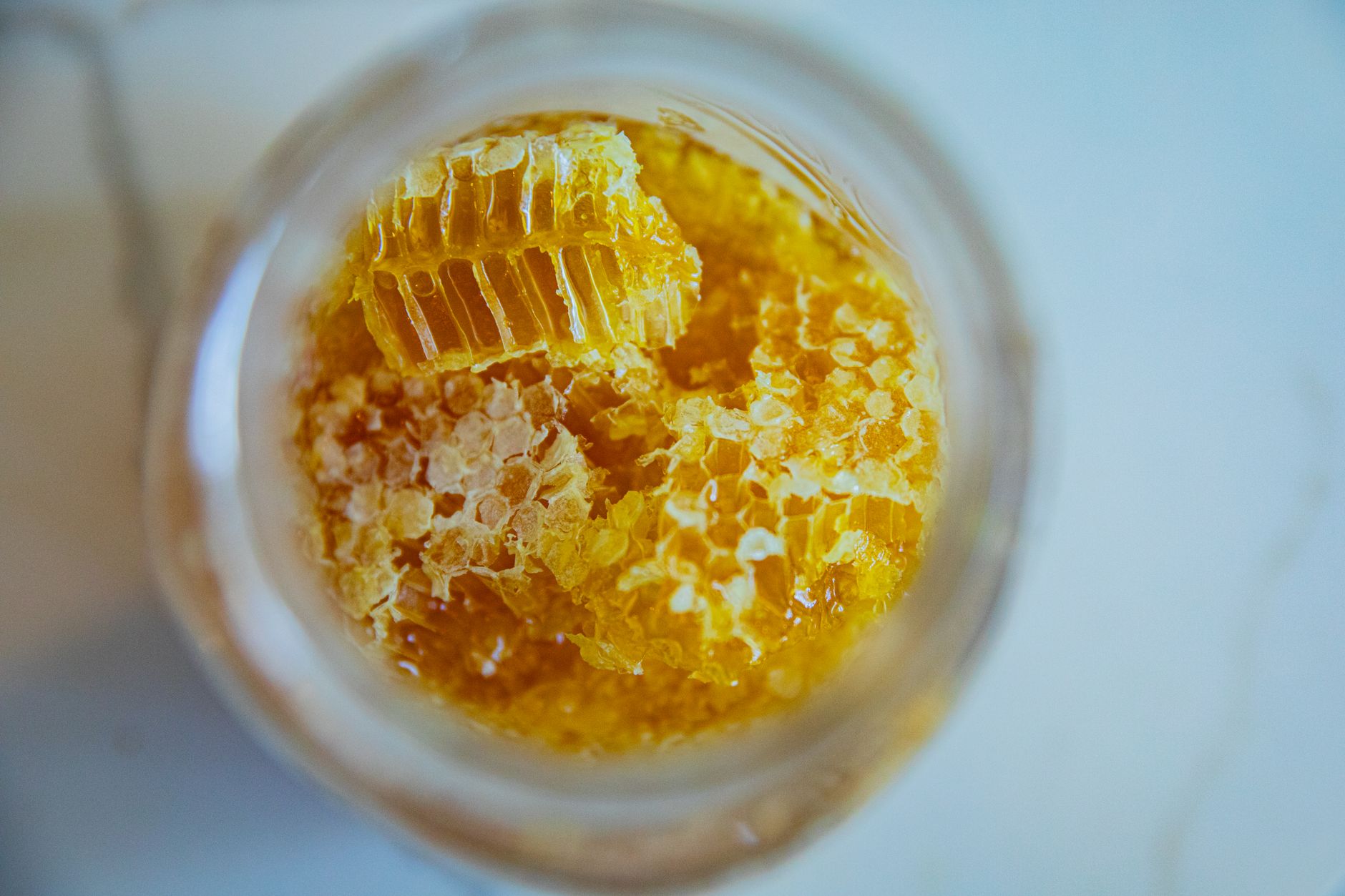
Manuka honey has gained significant attention for its distinct flavor, potential health benefits, and unique properties. One key component that sets it apart from regular honey is MGO, which stands for methylglyoxal. Understanding what MGO is and its significance in Manuka honey can enhance your appreciation for this special ingredient.
In this article, we will delve into the characteristics of MGO, its impact on the quality of Manuka honey, and practical uses in the kitchen. Whether you’re looking to use Manuka honey for its flavor or its reputed health properties, having all the necessary information can help you make informed choices.
What Is the Mgo in Manuka Honey?
MGO, or methylglyoxal, is a compound that occurs in Manuka honey and is primarily responsible for its antibacterial properties. The concentration of MGO in Manuka honey can vary significantly, which is why its presence is often used as a marker of quality. Higher MGO levels generally indicate higher potency and potential health benefits, particularly for antibacterial use.
MGO is formed in the honey from the conversion of another compound, dihydroxyacetone (DHA), which is found in the nectar of Manuka flowers. When bees collect nectar from these flowers, the formation of MGO takes place during the honey-making process. The levels of MGO can be detected and quantified, enabling consumers to choose honey based on its antibacterial strength.
The Benefits of MGO in Manuka Honey
Manuka honey has been widely researched for its potential therapeutic benefits, largely attributed to its MGO content. Here are several areas where MGO is believed to provide advantages:
- Antibacterial Properties: MGO has been shown to combat harmful bacteria, making Manuka honey a sought-after natural remedy for wound care and skin infections.
- Oral Health: Regular use may aid in dental health by reducing plaque formation and preventing gum diseases.
- Soothing Throat Irritation: The antibacterial properties of MGO can help relieve sore throat symptoms and improve overall throat health.
- Digestive Health: Some studies suggest that Manuka honey may assist in managing digestive issues, including ulcers and bacterial imbalances.
Choosing Manuka Honey Based on MGO Levels
When selecting Manuka honey, it’s important to look for the MGO content to ensure you’re buying a quality product. Here’s what to consider:
- MGO Rating: Check the label for the MGO rating. Generally, the higher the MGO, the greater the potency. Common ratings include 100, 250, 400, and upwards.
- UMF Certification: In addition to MGO levels, look for Unique Manuka Factor (UMF) certification, which takes into account the honey’s additional beneficial properties. A UMF rating of 10 or higher is recommended for medicinal use.
- Source and Purity: Ensure the honey is sourced from New Zealand, where the Manuka plant is native. Authentic Manuka honey should have a traceable source and no added preservatives.
How to Use Manuka Honey in Your Cooking
Manuka honey can add a unique flavor and a range of benefits to your culinary creations. Here are some ideas on how to incorporate it into different meals:
1. Sweeten Beverages
Manuka honey can be a delightful addition to your favorite beverages. From tea to smoothies, it offers a unique flavor and sweetness. Here’s how to use it:
- For tea, stir in a teaspoon of Manuka honey once your tea has cooled slightly to preserve its properties.
- In smoothies, blend a tablespoon into your mix for natural sweetness.
2. Marinades and Dressings
Incorporate Manuka honey into marinades or salad dressings for an extra layer of flavor. The sweetness of the honey can balance out savory ingredients:
- For a simple vinaigrette, mix three parts olive oil with one part vinegar, and add a teaspoon of Manuka honey.
- Combine Manuka honey with soy sauce and garlic for a delightful marinade perfect for chicken or tofu.
3. Baking
Substitute regular sugar with Manuka honey to enhance the flavors in baked goods:
- Reduce the liquid in the recipe slightly since honey adds moisture.
- Use approximately ¾ cup of honey for every cup of sugar, and lower the oven temperature by 25°F to prevent over-browning.
4. Spread and Drizzle
Simply drizzling Manuka honey over yogurt, oatmeal, or pancakes can elevate your meal:
- Combine it with peanut butter for a delicious toast spread.
- Mix it with butter for a sweet topping on freshly baked bread.
Practical Tips for Storing Manuka Honey
Proper storage will ensure that your Manuka honey retains its beneficial properties and flavor:
- Keep It Sealed: Always store Manuka honey in a tightly closed container to prevent exposure to air and moisture.
- Cool, Dark Location: Store it in a cool, dark place such as a pantry or cupboard away from sunlight and heat.
- Avoid Refrigeration: Refrigeration can crystallize Manuka honey, making it less desirable to use.
Common Mistakes When Using Manuka Honey
To get the most out of your Manuka honey, avoid these common pitfalls:
- Heating Too Much: High temperatures can destroy beneficial enzymes. Use honey in warm, not boiling, dishes.
- Buying Low-Quality Products: Ensure you’re purchasing true Manuka honey with verified MGO levels and UMF certification.
- Inconsistent Use: For health benefits, regular use is key; incorporate it into your daily routine for best results.
Substituting Manuka Honey
If you can’t find Manuka honey, you might consider substitutes; however, they may lack the unique properties of MGO. Here’s a rundown:
- Raw Honey: While it lacks the MGO benefits, it can substitute in recipes where flavor and sweetness are the main concerns.
- Maple Syrup: A vegan alternative that can replicate sweetness but will not provide any of the specific health benefits associated with honey.
- Agar or Date Syrup: These can work as sweetening alternatives but have their flavor profiles and may not pair well with all recipes.
Final Thoughts on MGO and Manuka Honey
Understanding the MGO content in Manuka honey can enhance your culinary adventures while providing potential health benefits. With its unique flavor and properties, it can be a brilliant addition to a wide variety of dishes.
As with any food product promising specific health claims, it’s essential to approach Manuka honey with balanced expectations, considering it as part of a well-rounded diet.
If you want to explore different recipes that include honey or other delicious ingredients, check out our Honey Sesame Chicken Recipe and learn how to make a sweet and versatile Honey Syrup. Discover how to make the most out of your culinary creations!