
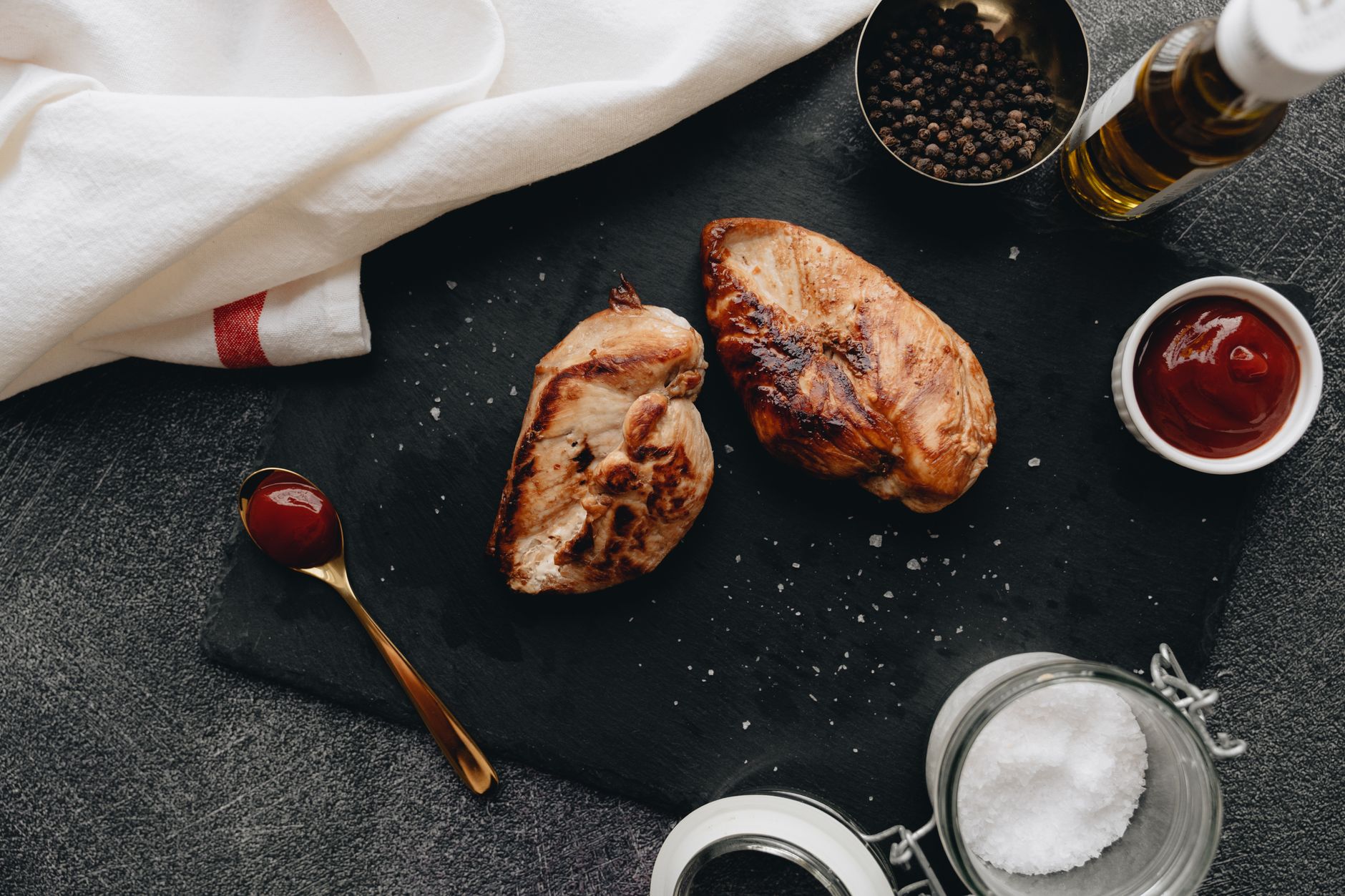
Cooking chicken to the right internal temperature is crucial not only for taste but also for food safety. Undercooked chicken can harbor harmful bacteria, which can lead to foodborne illnesses. This guide will break down the ideal internal temperature of chicken, cooking methods, and tips for ensuring your poultry is perfectly cooked every time.
Understanding the science of cooking chicken helps you achieve juicy, tender results while minimizing health risks. From roasting and grilling to frying, let’s dive into specifics regarding safe and delicious chicken preparation.
What Is the Internal Temperature of Chicken?
The safe internal temperature for cooked chicken is 165°F (74°C). This temperature must be reached throughout the chicken to ensure that any harmful bacteria, such as Salmonella or Campylobacter, are killed. Use a meat thermometer to measure the temperature accurately at the thickest part of the chicken, avoiding bones for an accurate reading.
Why It’s Essential to Cook Chicken to the Right Temperature
Cooking chicken to the proper internal temperature ensures both safety and quality. Undercooking can pose severe health risks, while overcooking can lead to dry, tough meat. The right temperature makes for delicious meals and prevents foodborne illnesses, a serious concern associated with poultry.
Methods for Cooking Chicken to the Ideal Temperature
There are various cooking methods you can use to achieve that perfect 165°F. Here are some popular techniques along with their key details:
Roasting
- Oven Temperature: Preheat your oven to anywhere from 375°F to 425°F (190°C to 220°C).
- Cooking Time: Generally, a whole chicken takes about 20 minutes per pound. Breasts often cook faster, around 25-30 minutes.
- Doneness Check: Insert the thermometer into the thickest part of the thigh and breast, without touching the bone.
Grilling
- Grill Temperature: Aim for a medium heat, around 350°F (175°C).
- Cooking Time: Boneless, skinless chicken breasts typically grill for about 6-8 minutes per side. Thighs take longer due to their density.
- Doneness Check: Check in the thickest part of the chicken and avoid touching the grill grates for an accurate reading.
Baking
- Oven Temperature: Preheat your oven to 400°F (200°C).
- Cooking Time: Chicken pieces can take 35-45 minutes, while a whole chicken may take closer to 90 minutes.
- Doneness Check: Again, test the thickest parts, especially near the bone.
Frying
- Oil Temperature: Heat the oil to 350°F (175°C).
- Cooking Time: Chicken pieces will typically take 15-20 minutes, depending on size.
- Doneness Check: Use a thermometer in multiple areas to ensure internal cooking.
Slow Cooking
- Slow Cooker Temperature: Set your slow cooker to low (around 200°F) or high (around 300°F).
- Cooking Time: Chicken will typically cook for 6-8 hours on low and 3-4 hours on high.
- Doneness Check: Check at the end of cooking to ensure safe temperatures. The chicken should shred easily with a fork when fully cooked.
How to Use a Meat Thermometer Effectively
Using a meat thermometer is an essential skill for anyone who cooks chicken. Here’s how to use it effectively:
- Choose a high-quality digital or instant-read thermometer for best results.
- Insert the thermometer into the thickest part of the chicken, avoiding bones, which can skew the reading.
- Wait for the thermometer to stabilize and give a reading; this usually takes a few seconds.
- Remove the chicken from heat as soon as it reaches 165°F to maintain juiciness.
Common Mistakes to Avoid
Even seasoned cooks can make errors when preparing chicken. Here are some common mistakes and how to avoid them.
- Relying on Color: Don’t judge doneness based on color alone. Chicken can be undercooked even if it looks white on the outside.
- Not Resting the Chicken: Always let chicken rest for 5-10 minutes after cooking. This helps redistribute juices within the meat.
- Wrong Thermometer Placement: Always ensure you’re measuring in the thickest part of the meat, avoiding bones or fat areas.
How to Tell if Chicken Is Fully Cooked Without a Thermometer
If you don’t have a thermometer, you can look for these visual cues:
- Check the juices: They should run clear, not pink or red.
- Cut into the thickest part: The meat should be opaque all the way through.
- Touch Test: If the meat feels firm and springs back when touched, it’s likely done.
Practical Tips for Cooking Chicken
Here are some additional tips for success when cooking chicken:
- Use Bone-In Cuts: Cooking with the bone helps retain moisture and enhance flavor.
- Marinate: Marinating chicken not only improves flavor but can also help tenderize the meat.
- Avoid Crowding the Pan: Give your chicken space while cooking to ensure even heat distribution.
Storage and Leftover Tips
Cooking chicken safely is just one part of the equation; proper storage is equally important. Here are your best practices:
- Cooling: Allow leftover chicken to cool to room temperature before refrigerating, but don’t leave it out for more than 2 hours.
- Storage: Store cooked chicken in airtight containers in the fridge for up to 4 days.
- Freezing: If you plan to keep it longer, freeze chicken after cooking. It can last up to 4 months in the freezer, but for best quality, aim to use it within two months.
Reheating Cooked Chicken
When reheating, the internal temperature should again reach 165°F to ensure it’s safe to eat. Here are a few methods:
- In the Oven: Preheat to 350°F and cover with foil. Heat for about 15-20 minutes.
- In the Microwave: Place on a microwave-safe plate and cover. Heat in 30-second intervals until reaching the desired temperature.
- On the Stovetop: Add a little broth to a pan, cover, and heat over medium until warmed throughout.
Experimenting with Chicken Recipes
Now that you know the ins and outs of cooking chicken to the right temperature, it’s time to experiment with different recipes! Whether you’re braising, grilling, or slow-cooking, being knowledgeable about internal temperatures keeps your meals delicious and safe.
Conclusion
Cooking chicken to the correct internal temperature is essential for both safety and taste. Always aim for 165°F and use a thermometer for the best accuracy. With the right techniques and a bit of practice, you can serve up perfectly cooked chicken every time.
For more tips on food storage and cooking techniques, check out how long does cooked chicken last and how long to bake chicken legs at 400 degrees.