
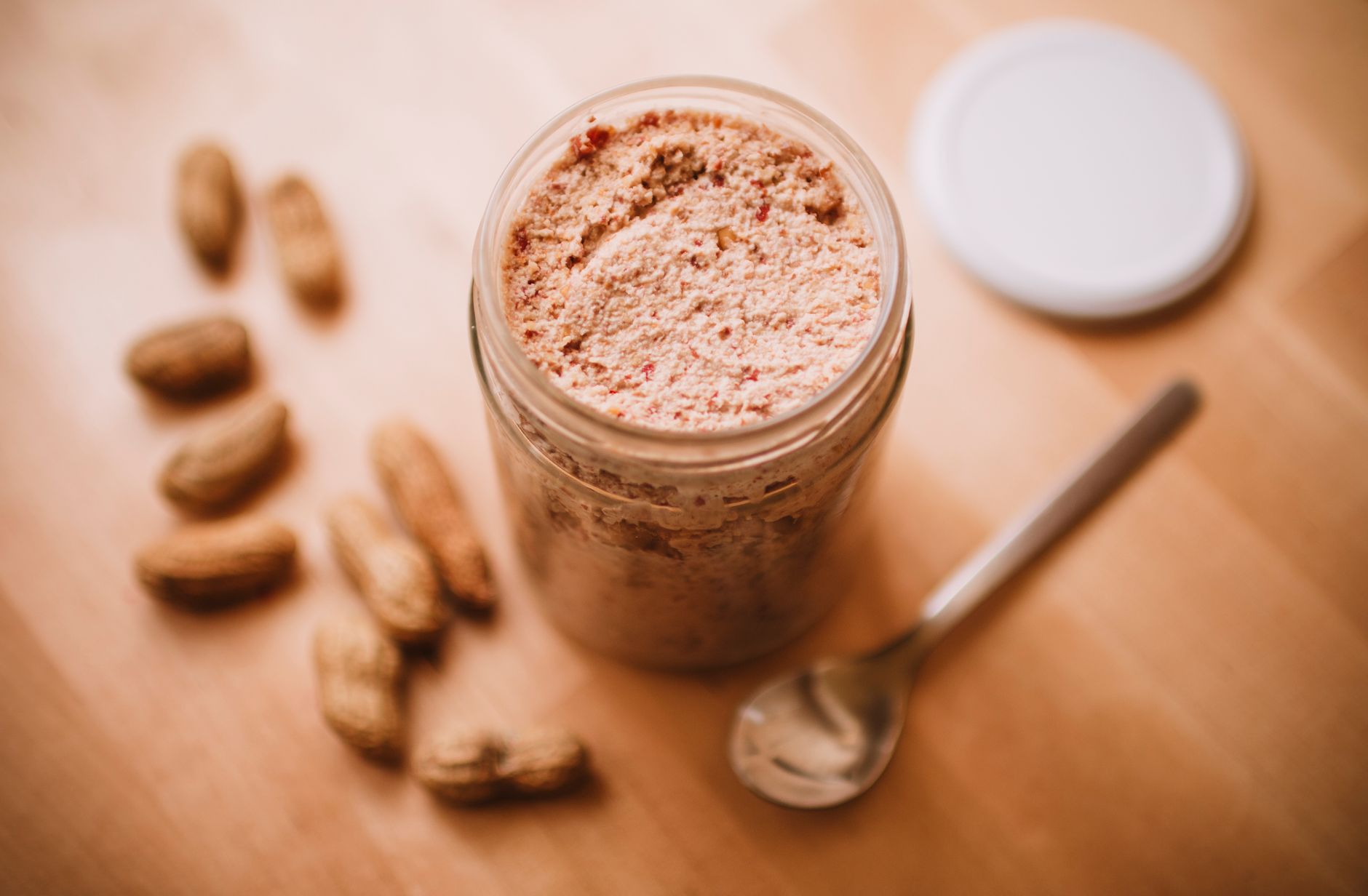
Peanut butter is a beloved pantry staple, offering convenience and a punch of flavor in various dishes. With its creamy texture and nutty taste, it has become a go-to ingredient for many, whether spread on toast, added to smoothies, or used in baking. However, not all peanut butters are created equal when it comes to health benefits.
Choosing the healthiest peanut butter involves understanding its nutritional content, ingredient lists, and various brands available on the market. This guide will delve into what characteristics make a peanut butter the healthiest option, how to read labels effectively, and practical tips for incorporating it into your meals.
What Is the Healthiest Peanut Butter?
The healthiest peanut butter is typically one that contains minimal ingredients, primarily peanuts, and perhaps a pinch of salt. Natural peanut butters are free from added sugars, hydrogenated oils, and preservatives, making them a better choice for overall health.
When selecting peanut butter, consider options with high protein content, low sugar levels, and healthy fats. Brands that provide these features often promote heart health and maintain energy levels, making them suitable for a variety of dietary preferences.
Nutritional Benefits of Peanut Butter
Peanut butter is not just a tasty option; it also offers several nutritional benefits:
- Protein: Peanut butter is a rich source of plant-based protein, providing approximately 7-8 grams per 2-tablespoon serving, which supports muscle growth and repair.
- Healthy Fats: It contains monounsaturated and polyunsaturated fats, which are beneficial for heart health and help lower bad cholesterol levels.
- Vitamins and Minerals: Peanut butter is packed with essential vitamins such as E, B6, and Niacin, along with minerals like potassium, magnesium, and phosphorus that support overall health.
- Fiber: Although not exceptionally high in fiber, peanut butter still contains about 2 grams per serving, which aids in digestion.
However, moderation is key, as peanut butter is also calorie-dense, which can lead to weight gain if consumed excessively.
Reading Peanut Butter Labels: A Guide
Understanding food labels can help you make informed choices. Below are the essential elements to consider when evaluating peanut butter:
- Ingredients List: The best peanut butter should list only peanuts (and possibly salt) as its ingredients. Avoid those with added sugars, hydrogenated oils, and artificial additives.
- Nutrition Facts: Check for serving size, calories, fat content, protein, and sugar. Look for options with around 7 grams of protein, 2-3 grams of sugar, and healthy fat amounts.
- Added Sugars: Many peanut butters contain sugar to enhance flavor. Aim for those with no added sugars or less than 1 gram per serving.
- Oil Separation: Natural peanut butter may have oil on top; this is normal. Stir it before use but be aware that options with added oils will not have this separation.
Types of Peanut Butter
There are several types of peanut butter available, ranging from traditional creamy to chunky varieties. Here’s an overview:
- Creamy Peanut Butter: This smooth option is made by grinding peanuts into a paste. It spreads easily, making it a popular choice for sandwiches and smoothies.
- Chunky Peanut Butter: Featuring pieces of peanuts mixed in, this variety offers a crunchier texture. It’s a tasty addition to snacks and desserts.
- Natural Peanut Butter: Typically consists of just peanuts and salt, without any added sugars or oils. This is the healthiest choice for those looking to minimize processed ingredients.
- Flavored Peanut Butter: Some brands offer flavored varieties like chocolate or honey. While these can be tasty, they often contain added sugar and may not fit health goals.
Popular Brands of Healthy Peanut Butter
Here are some popular brands that offer healthier peanut butter choices:
- Smucker’s Natural: Known for its simple ingredient list, this peanut butter typically contains just peanuts and salt.
- Justin’s Nut Butter: Offers a variety of nut spreads, including classic peanut butter that is organic and natural.
- 7th Heaven: Their peanut butter is made with only dry roasted peanuts, making it a wholesome choice.
- Crazy Richard’s: Features 100% peanuts with no additives, perfect for clean eating.
Healthier Substitutes for Peanut Butter
If you’re looking for alternatives due to allergies or dietary restrictions, consider these options:
- Almond Butter: Similar in texture and flavor, almond butter is also nut-based and packed with healthy fats and protein.
- Sunflower Seed Butter: A great nut-free alternative with a unique taste, it’s suitable for those with nut allergies.
- Cashew Butter: Milder in flavor, cashew butter offers a creamy consistency and is rich in iron and magnesium.
Incorporating Peanut Butter Into Your Diet
Peanut butter is versatile and can be included in various meals and snacks. Here are some practical ways to enjoy it:
- Spread on Toast: Add peanut butter on whole-grain toast and top with banana slices for a heart-healthy breakfast.
- Smoothies: Blend peanut butter into smoothies for added protein and creaminess, enhancing flavor alongside fruits.
- Oatmeal Add-In: Mix peanut butter into your morning oatmeal for extra flavor and nutrient density.
- Baking: Use peanut butter in recipes for cookies, bars, or energy balls for a delicious treat.
Helpful Recipes Using Peanut Butter
To offer some culinary inspiration, here are a few balanced recipes that showcase peanut butter:
- Peanut Butter Banana Smoothie:
- 1 ripe banana
- 2 tablespoons of peanut butter
- 1 cup of almond milk or dairy milk
- 1 tablespoon of honey (optional)
- Blend until smooth and enjoy!
- Peanut Butter Oatmeal:
- 1/2 cup of rolled oats
- 1 cup of water or milk
- 2 tablespoons of peanut butter
- Honey or maple syrup for sweetness (optional)
- Cook oats as directed, stir in peanut butter and sweetener before serving.
- No-Bake Peanut Butter Energy Bites:
- 1 cup rolled oats
- 1/2 cup peanut butter
- 1/3 cup honey
- 1/2 cup chocolate chips (optional)
- Mix all ingredients, roll into balls, and refrigerate.
Common Pitfalls When Choosing Peanut Butter
A few common mistakes can lead to less healthy choices when selecting peanut butter:
- Ignoring Ingredients: Many peanut butters contain added sugars and oils. Always check the label to ensure you’re getting a good product.
- Overeating: Despite its health benefits, peanut butter is calorie-dense. Stick to recommended serving sizes to avoid excessive calorie intake.
- Weight of the Product: Pay attention to how the peanut butter feels in your hands. Some brands may contain unnecessary fillers.
Storage Tips for Peanut Butter
Proper storage of peanut butter is essential for maintaining its flavor and freshness:
- Store in a Cool, Dry Place: Keep it in your pantry away from heat and light to maintain quality.
- Refrigeration: Some natural peanut butters might separate; refrigeration can help maintain its consistency, but it may become thicker.
- Keep Tightly Sealed: Ensure the lid is tightly closed to prevent exposure to air and moisture, which can lead to spoilage.
Making Your Own Peanut Butter
If you want complete control over ingredients, making your own peanut butter is simple. Here’s how:
- Gather Ingredients: You need only dry roasted peanuts (salt optional).
- Equipment: A high-powered blender or food processor works best.
- Process: Place peanuts in the blender and blend on medium speed. After a few minutes, scrape down the sides. Continue until you reach your desired consistency.
- Store: Transfer to a clean jar and store in the fridge for up to a month.
Conclusion
Choosing the healthiest peanut butter involves being mindful of ingredients, nutritional content, and serving sizes. By selecting options with minimal additives and using it wisely in your diet, you can enjoy the rich flavor and health benefits peanut butter offers.
Take a moment to explore more about delicious peanut butter recipes or complementary snacks like peanut butter fudge and nutritious breakfast ideas such as chia pudding with coconut milk.