
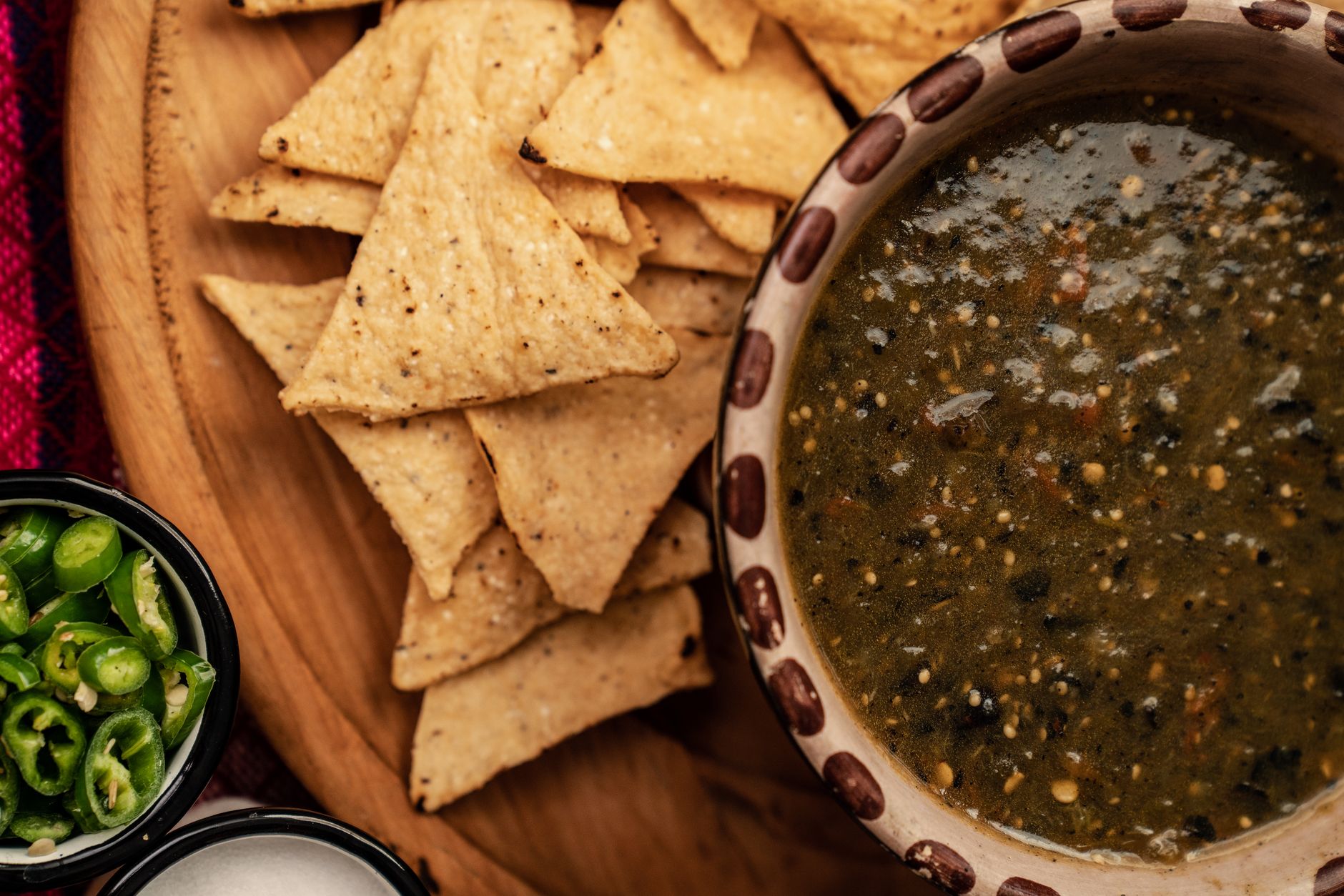
The green sauce commonly found at Mexican restaurants is a vibrant condiment that adds a burst of flavor to various dishes. Often made with fresh herbs, green chilies, and other ingredients, it can range from mild to spicy. Diners might use it to drizzle on tacos, enchiladas, or grilled meats, enhancing their meals with its zesty taste.
This sauce is most notably known as “salsa verde,” and it plays a significant role in Mexican cuisine, celebrated for its versatility and robust flavors. Understanding its ingredients, preparation methods, and variations can help you appreciate the complexity and significance of this beloved sauce.
What Is the Green Sauce at Mexican Restaurants?
The green sauce at Mexican restaurants, or salsa verde, is a traditional sauce made from tomatillos, green chili peppers, onions, lime, and cilantro. It is commonly served with tacos, enchiladas, grilled meats, and even made into salsa for tortilla chips. The tartness of the tomatillos combines beautifully with the heat from the chilies, creating a refreshing condiment that complements numerous dishes.
Key Ingredients in Salsa Verde
- Tomatillos: These small, green fruits resemble tomatoes but have a unique tart flavor, which is key to the sauce’s profile.
- Green Chilies: Varieties like jalapeños, serranos, or poblano peppers can be used to adjust the heat level.
- Cilantro: Fresh cilantro adds brightness and herbaceous notes to the sauce.
- Onion: Typically, white or yellow onions are used to provide a savory base flavor.
- Lime Juice: Fresh lime juice enhances the overall acidity, balancing the sauce’s richness.
- Salt: This is used to elevate flavors and unify the components.
How Is Salsa Verde Made?
The process of making salsa verde is straightforward, making it a popular choice for home cooks and restaurants alike. Here’s a basic guide to preparing it:
Equipment Needed
- Blender or food processor
- Cutting board
- Knife
- Measuring cups and spoons
- Cooking pot (if boiling tomatillos)
Basic Method for Preparing Salsa Verde
- Start by rinsing the tomatillos under cold water to remove their sticky exterior. Peel their husks and cut them in half.
- For a raw salsa, chop the tomatillos, onion, and chilies into smaller pieces. For a cooked variation, boil them in water for about 10 minutes until tender.
- Transfer the ingredients to a blender or food processor, and add cilantro, lime juice, and salt.
- Blend until smooth or reach your desired consistency. Taste and adjust seasoning as needed.
- Transfer the salsa Verde to an airtight container and refrigerate for at least 30 minutes to allow the flavors to meld.
Common Variations of Salsa Verde
Salsa verde can vary based on regional preferences or personal tastes. Here are some common variations:
- Roasted Salsa Verde: Ingredients like tomatillos, chilies, and onion are roasted before blending, imparting a more complex, smoky flavor.
- Avocado Salsa Verde: Adding avocado creates a creamier texture and a richer flavor, making it a great dip or a spread.
- Fruit-based Salsa Verde: Some variations incorporate fruits like pineapple or mango to provide a sweetness that offsets the heat.
Serving Suggestions
Salsa verde is an incredibly versatile condiment that can accompany various dishes. Here are a few ideas on how to serve it:
- Tacos: Drizzle over beef, chicken, or vegetarian tacos to add zest.
- Grilled Meats: Serve alongside grilled chicken or pork to enhance the flavor profile.
- Enchiladas: Use salsa verde as a topping for enchiladas instead of traditional red sauce.
- Dipping Sauce: Serve it with tortilla chips for a fresh, tangy snack.
Potential Culinary Uses of Salsa Verde
The versatility of salsa verde extends beyond just being a condiment. It can be used in different ways, such as:
- Marinade: Use it to marinate chicken or beef for grilling, allowing the acidity to tenderize the meat.
- Soup Base: Add a few spoonfuls to soup or stews to brighten flavors.
- Salad Dressing: Mix with olive oil or yogurt to create a unique dressing for salads.
Green Sauce Substitutions
If you’re looking for alternatives to tomatillos or green chilies, consider these substitutions:
- Tomatillos: Green tomatoes or regular tomatoes can serve in a pinch, but will alter the sauce’s flavor profile.
- Green Chilies: If seeking milder heat, try using mild bell peppers or simply adjust the quantity of jalapeños.
- Cilantro: For a different herbal note, parsley can be used, though it will change the taste.
Storing Salsa Verde
Salsa verde can be made ahead of time and stored in the refrigerator. When properly stored in an airtight container, it can last up to a week. For longer storage, consider freezing it in an ice cube tray, then transferring the cubes to a freezer bag for easy portioning later.
Common Mistakes When Making Salsa Verde
While making salsa verde is quite simple, some common pitfalls exist:
- Overblending: Blending for too long can lead to a watery texture. Aim for a consistency that suits your preference.
- Not balancing flavors: The right ratio of acidity to heat is crucial. Taste as you go and adjust lime juice or salt as needed.
- Neglecting freshness: Using stale or subpar ingredients can result in a bland sauce. Always opt for fresh, high-quality components.
Exploring Other Mexican Sauces
If you enjoy salsa verde, consider exploring other popular Mexican sauces:
- Salsa Roja: A red salsa made from tomatoes, garlic, and various spices. It can range from mild to spicy.
- Mole: A thick, complex sauce that combines a wide range of ingredients, including chocolate, nuts, and spices. It’s often used in traditional dishes like mole poblano.
- Pico de Gallo: A fresh salsa made from diced tomatoes, onions, cilantro, and lime juice. It’s typically not blended, resulting in a chunkier texture.
Whether you’re dining out or preparing a meal at home, salsa verde is an essential component of Mexican cuisine. Its tangy flavor and versatile applications make it a staple in many kitchens. Consider trying different variations to discover your favorite version.
To enhance your cooking skills further, explore diverse flavor combinations with green seasoning or delve into making a refreshing chimichurri from cilantro. Check out these resources for detailed recipes: green seasoning recipe, and chimichurri recipe with cilantro.