
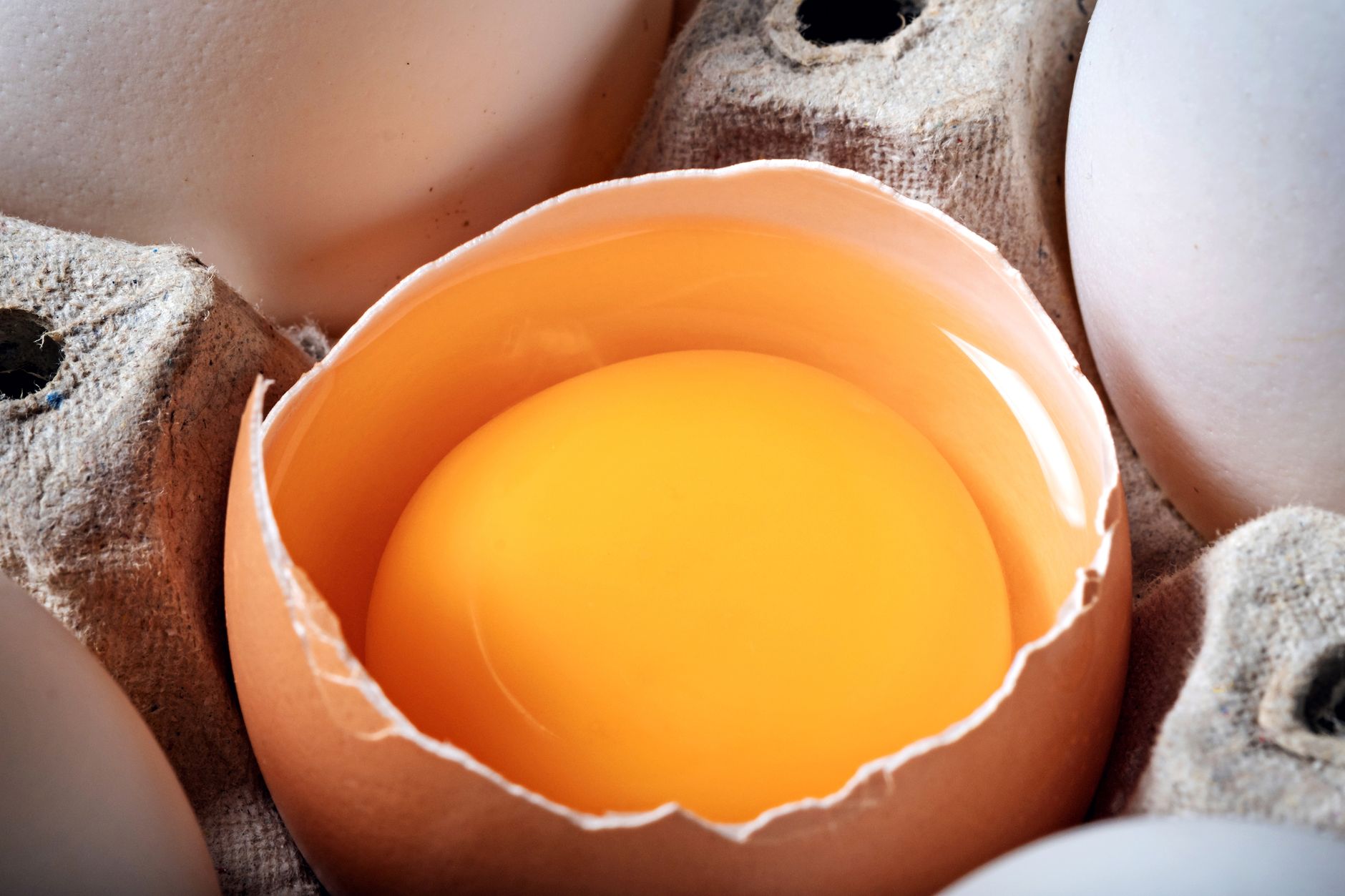
The egg yolk, often overshadowed by egg whites in discussions of health and cooking, is a rich and flavorful component of many dishes. It brings not only depth of flavor but also a smooth texture that makes it suitable for a wide range of culinary applications. From making sauces to enriching baked goods, understanding the role of egg yolk can elevate your cooking.
This article will delve into the ingredients, taste, and culinary uses of egg yolks, helping you appreciate their versatility in the kitchen. Whether you’re a novice cook or a seasoned chef, this guide will provide practical insights into how to incorporate egg yolks into your cooking repertoire.
What Is the Egg Yolk?
The egg yolk is the yellow, nutrient-rich center of an egg. It serves as a source of food for the developing embryo in fertilized eggs. Composed primarily of fats, proteins, and essential vitamins and minerals, the yolk is known for its rich flavor and creamy texture. Egg yolks play a crucial role in various culinary techniques, primarily as an emulsifying agent, thickening agent, and flavor enhancer.
The Composition of Egg Yolk
The egg yolk consists of several important components:
- Water: Approximately 50% of the yolk is water, contributing to its soft texture.
- Fats: About 33% of the yolk is fat, primarily in the form of triglycerides and phospholipids, which provide richness and enhance flavor.
- Proteins: Egg yolks contain about 17% protein, which helps in coagulation and contributes to structure in dishes.
- Vitamins and Minerals: They are a significant source of vitamins A, D, E, and K, as well as folate, iron, and choline.
- Coloring agents: Carotenoids such as lutein and zeaxanthin impart the yellow or orange hue, varying with the hen’s diet.
The Taste of Egg Yolk
The taste of egg yolk is distinctively rich, creamy, and slightly savory. Its flavor can range from mild to strong, depending on the freshness of the egg and the diet of the hen. Fresh egg yolks tend to have a vibrant, intense flavor, while older yolks may taste more subdued. The creamy texture and richness make yolks particularly desirable in custards, sauces, and dressings.
Culinary Uses of Egg Yolk
Egg yolks are used in a multitude of culinary applications, showcasing their versatility. Here are some notable uses in the kitchen:
1. Sauces and Dressings
Egg yolks are key ingredients in many classic sauces and dressings, acting as emulsifiers that help blend oil and water phases. Some popular examples include:
- Hollandaise Sauce: A rich and buttery sauce made by whisking egg yolks with melted butter and lemon juice, often served with eggs benedict.
- Mayonnaise: A stable emulsion of egg yolks, vinegar, and oil, used as a condiment for sandwiches and salads.
- Aioli: Traditionally made with garlic, egg yolk, and olive oil, this sauce adds a flavorful punch to many dishes.
2. Baking
In baking, egg yolks contribute to the structure, richness, and moisture content of various baked goods:
- Custards and Puddings: Egg yolks are the primary thickening agent in custards, providing creaminess and stability.
- Cakes: Many pound cakes and rich cakes rely on egg yolks to enhance flavor and texture.
- Pastry Cream: Used as a filling for tarts and pastries, pastry cream owes its silky texture to egg yolks.
3. Thickening Agent
Egg yolks are effective at thickening soups, sauces, and gravies due to their high protein content. When gently heated, they coagulate, thickening and adding body to various dishes.
4. Binding Agent
In many recipes, egg yolks serve to bind ingredients together, ensuring a cohesive texture. This is particularly important in:
- Meatballs and Burgers: Egg yolks help bind the meat and filler ingredients.
- Veggie Patties: They provide structure to vegetarian patties and fritters.
5. Enriching Dishes
Adding egg yolks to dishes can enhance the richness and nuttiness of flavors. This technique is especially common in creamy pasta sauces, risottos, and even some desserts. For instance:
- Carbonara: The yolks enrich the sauce, creating a creamy texture without dairy.
- Ice Cream: Rich egg yolks add both creaminess and flavor to homemade ice creams.
How to Cook with Egg Yolks
Using egg yolks in your cooking can elevate your dishes, but it’s essential to handle them properly. Here are some tips on how to cook with egg yolks effectively:
Separating Egg Yolks from Whites
Separating yolks from egg whites can be tricky. Here are some methods to consider:
- Shell Method: Crack the egg and carefully transfer the yolk back and forth between the two shell halves, letting the whites fall into a bowl.
- Hand Method: Crack the egg and, using your clean hand, let the whites drip through your fingers while holding onto the yolk.
- Separator Tool: Use an egg separator, a simple tool designed to easily separate the yolk from the white.
Cooking Temperatures and Techniques
When cooking with egg yolks, keep temperature control in mind. Yolks are delicate and can curdle if they exceed certain temperatures. Here are some techniques to consider:
- Temper the Yolks: When adding yolks to hot mixtures, gradually mix in a small amount of the hot liquid to raise the temperature of the yolks before adding them entirely.
- Gentle Heat: Use low heat when cooking sauces that include yolks to prevent curdling. Stir constantly to distribute heat evenly.
Storage and Freshness
Egg yolks can be stored in the refrigerator for about 2 to 4 days. If you need to store yolks for longer, consider these options:
- Freezing: Egg yolks can be frozen, but they should be whisked with a pinch of salt or sugar before freezing to prevent them from becoming gelatinous.
- Covering: If storing in the refrigerator, keep yolks covered with a thin layer of water or plastic wrap to prevent drying out.
Common Mistakes When Using Egg Yolks
Even experienced cooks can make errors when working with egg yolks. Here are some common pitfalls to avoid:
- Cooking on High Heat: High heat can cause egg yolks to curdle. Always use low to medium heat when cooking.
- Adding Yolks Too Quickly: When incorporating yolks into hot liquids, always temper them first to avoid scrambling.
- Using Old Eggs: Fresh eggs are vital for the best-tasting yolks; old eggs can affect the flavor and texture of your dishes.
Practical Substitutions for Egg Yolks
If you need to replace egg yolks in your recipes, several options can work depending on the intended use:
- Silken Tofu: Use 1/4 cup of blended silken tofu to replace one egg yolk in recipes requiring binding or texture.
- Flaxseed Meal: Mix one tablespoon of flaxseed meal with three tablespoons of water to replace one egg yolk, best for baking and binding.
- Commercial Egg Replacers: Many grocery stores sell egg replacers designed to mimic egg yolks in baking and cooking.
Egg Yolk and Dietary Preferences
Egg yolks are a source of animal products, and individuals with dietary restrictions may need to consider their use:
- Vegetarians: Most vegetarians do consume eggs, including the yolk, but vegans avoid all animal products.
- Allergies: Some people may have egg allergies and should consult their healthcare provider for appropriate dietary substitutes.
Conclusion
Egg yolks are an essential ingredient that brings richness, flavor, and a luxurious texture to a variety of dishes. Their versatility extends beyond simple breakfast fare, making them a valuable addition to sauces, baked goods, and more. Understanding how to cook with egg yolks and their potential substitutions can enhance your culinary repertoire.
Explore related recipes, cooking tips, or food guides to broaden your knowledge, such as knowing how many calories in 2 scrambled eggs or finding out how much applesauce equals one egg for substitutions.