
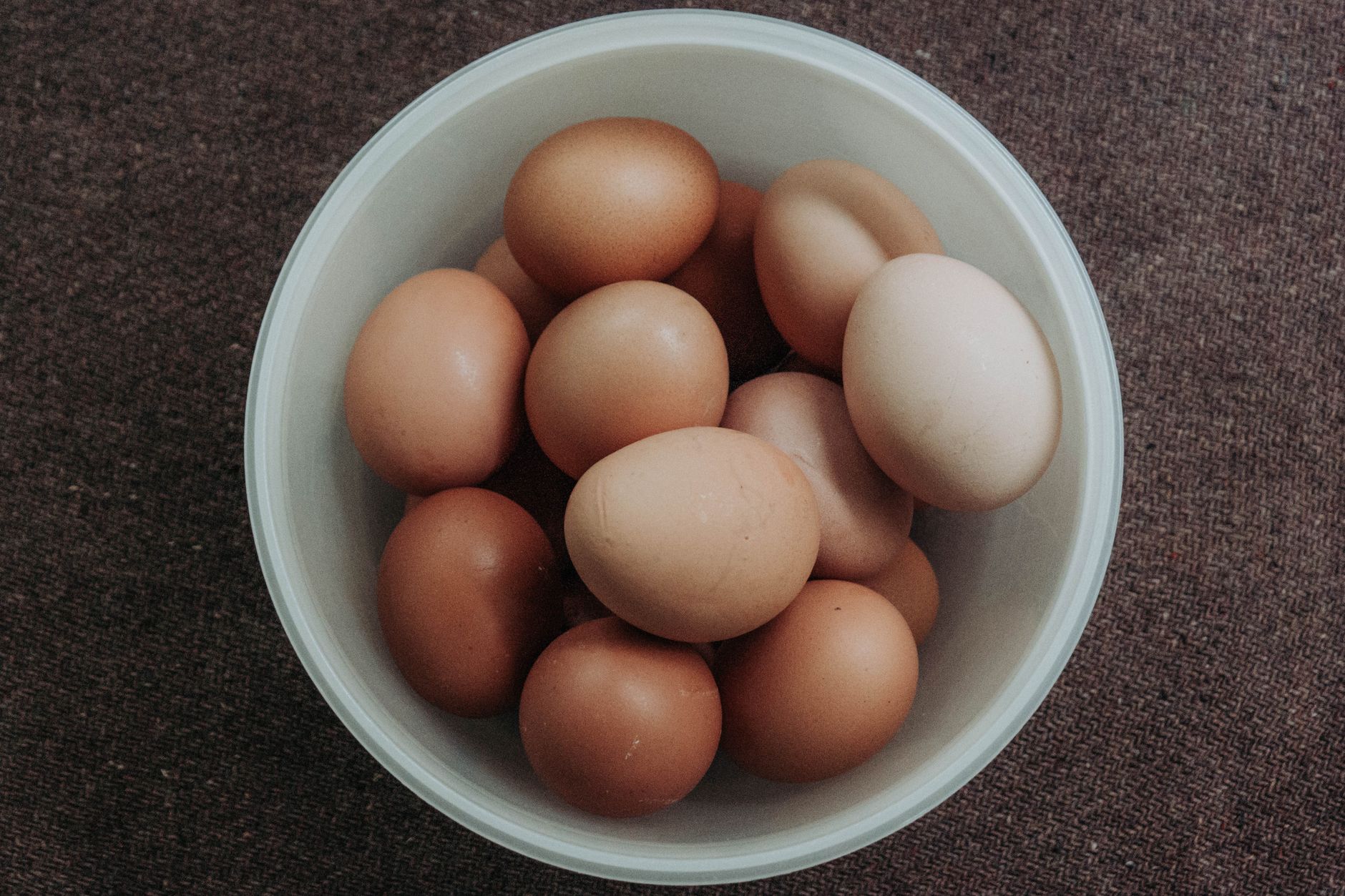
The egg float test is a simple and effective method to determine the freshness of eggs. When you’re unsure about how long eggs have been stored or their overall quality, this test can provide a reliable indication of whether they’re still safe to use. Understanding the egg float test can save food waste and ensure that your dishes turn out as intended.
This guide will explain how to perform the egg float test, interpret the results, and provide insights into the taste and texture of eggs at different freshness levels, along with practical uses in your kitchen.
What Is the Egg Float Test?
The egg float test is a straightforward method used to assess the viability of eggs based on their buoyancy in water. Fresh eggs sink and lay flat on the bottom of a bowl, while older eggs tend to stand upright or float. This test relies on the natural aging process of eggs that causes changes in their density over time.
Understanding the Science Behind the Egg Float Test
As eggs age, their contents shrink due to moisture and air seepage through the porous shell. This leads to an increase in buoyancy. A fresh egg has a small air cell and a denser egg white, making it sink to the bottom. Conversely, as the egg deteriorates, the air cell enlarges, causing it to float.
- Fresh Egg: Sinks and lays flat on the bottom.
- Moderately Fresh Egg: Sinks but stands upright.
- Bad Egg: Floats to the surface.
How to Perform the Egg Float Test
Conducting the egg float test is simple and requires minimal equipment. Here’s a step-by-step guide:
- Fill a bowl with water: Use enough water to submerge an egg fully.
- Gently place the egg in the water: Ensure you handle the egg carefully to avoid cracks.
- Observe the egg’s position: Take note of whether it sinks, stands upright, or floats.
Interpreting the Results
Here’s a closer look at what the results of the egg float test can indicate about the freshness of your eggs:
Fresh Eggs (Sinks and Lays Flat)
A fresh egg will sink to the bottom of the bowl and lie flat on its side. This indicates that it is still good for consumption. At this stage, the egg white is thick and will maintain a rounded shape, which is ideal for various culinary uses.
Moderately Fresh Eggs (Sinks but Stands Upright)
If the egg sinks to the bottom but stands vertically, it is still safe to eat but may not be its peak of freshness. At this point, the egg is better for recipes where it will be beaten or cooked thoroughly, such as in scrambled eggs or baking.
Old Eggs (Floats to the Surface)
Eggs that float are best discarded, as they are no longer safe to eat. Floating indicates that the air cell has become too large for the egg to remain submerged, often due to spoilage. It is important to trust your judgment; if an egg floats, don’t take any chances.
Why Freshness Matters: Taste and Texture
The freshness of an egg significantly affects both its taste and texture. Fresh eggs boast a firm, thick white that clings closely to the yolk, leading to a rich flavor and ideal consistency for poaching or frying.
Taste
Fresh eggs have a vibrant flavor that enhances dishes. As eggs age, their flavor can become weaker and lacking in the richness that fresh eggs provide.
Texture
When cooking, the texture of fresh eggs is more desirable. Baked goods, for instance, will exhibit a better structure and moisture when made with fresh eggs, whereas older eggs may lead to a drier or crumbly outcome.
Kitchen Uses for Eggs Based on Freshness
Knowing the freshness of your eggs can help you choose how to use them best in your kitchen:
Recipes for Fresh Eggs
- Poached Eggs: Fresh eggs are ideal for poaching, as they maintain their shape and texture well.
- Fried Eggs: Use fresh eggs for simple fried dishes, where the runny yolk is a highlight.
- Custards and Meringues: Fresh eggs provide the best stability and texture in custards and meringues.
Recipes for Moderately Fresh Eggs
- Scrambled Eggs: Moderately fresh eggs are perfect for scrambling, as they will still produce soft and creamy results.
- Baking: Use moderately fresh eggs in recipes like cakes and muffins that require whisking or mixing.
- Frittatas: Whisk into frittatas or quiches where eggs are mixed with other ingredients.
Recipes Best Avoided with Old Eggs
For eggs known to be old or spoiled, avoid using them in the following dishes:
- Raw Dishes: Such as mayonnaise or salad dressings where eggs are not cooked.
- Eggnog: This holiday treat requires fresh eggs for safety.
Common Mistakes When Conducting the Egg Float Test
While the egg float test is generally reliable, there are several common mistakes to avoid:
- Using dirty eggs: Clean the egg before testing, as dirt and bacteria can interfere with the test.
- Relying solely on the float test: Occasionally, an egg may float due to changes in air cell size, but still be good. Always crack the egg open to check for off-smells or unusual appearance.
When to Trust Your Senses
It’s important to also trust your senses when evaluating egg quality. If an egg smells off when cracked open or has a discolored yolk, it should be discarded regardless of the float test result.
Storage Tips for Eggs
Proper storage can prolong the freshness of your eggs. Follow these guidelines:
- Refrigeration: Always store eggs in the refrigerator to slow bacterial growth.
- Keep in original packaging: This helps prevent moisture loss and protects the eggs from absorbing strong odors from other foods.
- Store yolks and whites properly: If you’ve separated eggs, keep yolks covered in water or use an airtight container for egg whites.
How Long Do Eggs Last After the Sell-By Date?
Understanding how long eggs last after the sell-by date is essential for maximizing their quality. Eggs can remain good for up to 3–5 weeks beyond the sell-by date if stored properly in the refrigerator. The egg float test can be implemented before usage to ensure safety.
Conclusion
The egg float test is a practical technique that empowers home cooks to assess the freshness of eggs effectively. By understanding how to perform this test and interpret its results, you can enhance your cooking success and minimize food waste.
For additional guidance on egg safety and shelf life, explore when eggs go bad and learn how long eggs last after the sell-by date.