
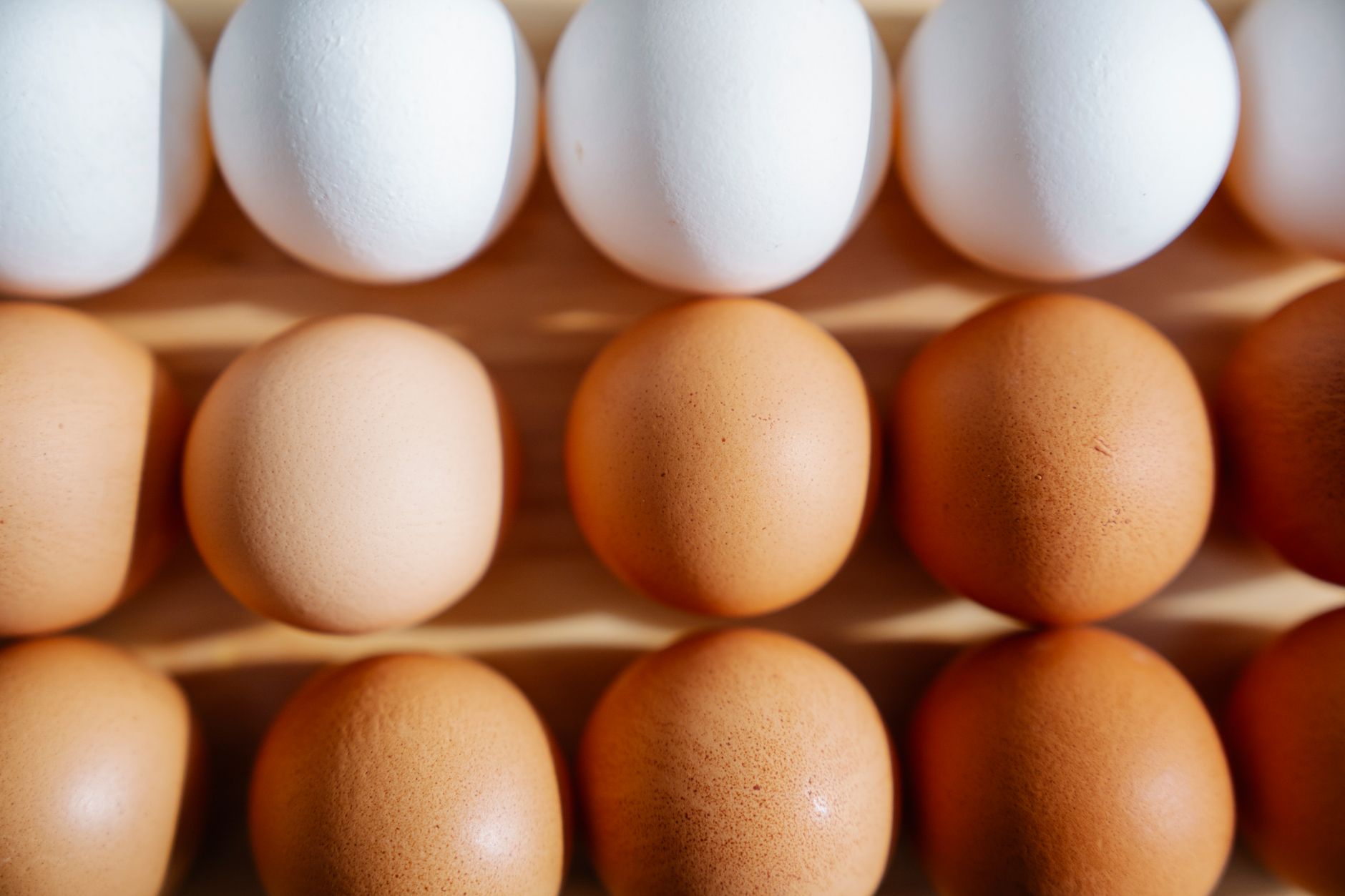
When you stroll down the egg aisle in the grocery store, are you ever struck by the striking contrast between white and brown eggs? This seemingly simple choice raises many queries among home cooks and egg enthusiasts alike. Is there a difference in taste, nutrition, or cooking applications between the two? Let’s explore the characteristics of white and brown eggs, their uses in the kitchen, and how to choose the right type for your culinary needs.
Understanding these distinctions will empower you to make informed choices in your egg-based cooking and baking endeavors. With insights into egg production, color differences, and practical applications, you’ll soon be ready to select the perfect eggs for any meal.
What Is the Difference Between White and Brown Eggs?
The primary differences between white and brown eggs relate to the breed of the hen that lays them, not to any inherent quality or flavor differences in the eggs themselves. Generally, white eggs are laid by hens with white feathers and earlobes, while brown eggs come from hens with red feathers and earlobes. Nutritionally, both types are nearly identical, yielding similar flavors and cooking properties.
The Nutritional Profile
Many people assume that brown eggs are healthier than white eggs, but this is largely a myth. Both types of eggs contain similar amounts of protein, vitamins, and minerals.
- Protein: Both white and brown eggs offer about 6 grams of high-quality protein.
- Vitamins and Minerals: They provide essential nutrients, including Vitamin D, B6, B12, and selenium.
- Calories: A typical large egg contains roughly 70 calories, regardless of color.
The nutritional content can vary based on the hen’s diet rather than the egg’s color. For instance, hens that are fed organic grains may produce eggs with slightly different nutrient profiles compared to those fed conventional feed.
Factors Influencing Egg Color
Hen Breed
The most direct factor influencing eggshell color is the breed of the hen. Common breeds include:
- White Leghorn: Typically lays white eggs.
- Rhode Island Red: Known for laying brown eggs.
- Plymouth Rock: Also produces brown eggs.
Diet and Environment
While the breed sets the stage, the nutrition and environment of the hen also play critical roles in overall egg quality. Hens with access to outdoor foraging tend to produce richer yolks due to a varied diet, which can affect flavor and possibly nutrition as well.
Culinary Uses of White and Brown Eggs
When it comes to cooking and baking, both white and brown eggs can be used interchangeably in most recipes. However, here are a few culinary considerations to keep in mind:
Cooking Techniques
Whether poaching, scrambling, or frying, eggs can be prepared using similar methods regardless of their color. Feeling challenged? Here are a few techniques:
- Scrambling: Beat eggs with a splash of milk or cream, season with salt and pepper, and cook over medium heat until just set.
- Poaching: Gently slide cracked eggs into simmering water with a splash of vinegar for a perfect poached egg.
- Frying: Heat oil or butter in a pan, crack the egg in, and cook until the white is set but the yolk remains runny.
Baking Applications
When baking, eggs serve as binders, leavening agents, and provide moisture. Here’s how to utilize them:
– Egg whites can be whipped to create meringues or soufflés, producing fluffy textures that enhance desserts.
– Whole eggs add richness and color to cakes and pastries, with no significant difference between the outcomes achieved with white or brown eggs.
Flavor Profiles
Despite popular belief, there is no significant difference in taste between white and brown eggs. Taste tests conducted by several independent sources have shown that blind taste testers cannot distinguish between the two based on flavor alone. Factors such as the hen’s diet and freshness are more likely to affect flavor.
Choosing the Right Eggs
When selecting eggs, consider the following tips to ensure you’re making a wholesome choice.
Freshness
Fresh eggs usually come with a sell-by date. Conduct a simple water test: Fresh eggs sink in water, while older eggs float due to air pockets that develop inside the shell.
Organic vs. Conventional
Organic eggs are produced by hens raised in organic conditions and fed organic feed. While they may cost more, some prefer them for ethical reasons and potential dietary benefits, while others simply enjoy the taste.
Substitutions and Variations
In various culinary situations, you may find yourself needing to replace eggs or trying different variations. Here are several eggs substitutes and their applications:
- Flaxseed Meal: Combine 1 tablespoon of ground flaxseed with 3 tablespoons of water. Let sit for 5 minutes to thicken, then use as a replacement for one egg in baking.
- Applesauce: Use 1/4 cup of unsweetened applesauce for one egg in cakes or muffins to enhance moisture.
- Mashed Banana: Substitute 1/4 cup of mashed banana for one egg in sweet recipes to add flavor and moisture, though it might impart a slight banana taste.
Common Mistakes and Troubleshooting
Successful egg cooking or baking hinges on a few key factors. Be mindful of these common mistakes:
- Using cold eggs from the refrigerator: For optimal results in baking, let them come to room temperature.
- Overcooking scrambled eggs: Aim for soft, creamy curds instead of a dry texture.
- Not cracking eggs on a flat surface: Cracking eggs on the edge of a bowl can cause shell shards to mix in.
Storage and Shelf Life
Understanding how to store eggs can help maintain quality and safety:
- Refrigeration: Store eggs in their original carton in the refrigerator to prevent absorption of odors and maintain freshness.
- Use-by Dates: Generally, eggs can be stored in the refrigerator for 3 to 5 weeks past their sell-by date.
Eggs in the Freezer
If you have excess eggs, consider freezing them. Whisk the eggs to blend yolks and whites, then pour them into airtight containers, allowing for expansion. Use frozen eggs within a year for best results.
Innovative Ways to Utilize Eggs
While eggs shine in traditional breakfast and recipe roles, consider incorporating them creatively into various meals:
- Frittatas: Packed with vegetables and cheese for a hearty meal any time of day.
- Egg Curry: A delightful twist combining eggs with spices for a filling dish.
- Egg Drop Soup: Elevate your soups with a simple drizzle of beaten eggs for richness.
Conclusion
In summary, while the aesthetic differences between white and brown eggs mainly stem from breed variation, many underlying factors contribute to their versatility in the kitchen. Regardless of color, prioritize selecting quality eggs based on freshness and sourcing. Now it’s your turn to explore egg-based dishes with your newfound knowledge!
For more insights on egg storage, check out how long can you keep eggs in the refrigerator and how long do eggs last after the sell-by date.