
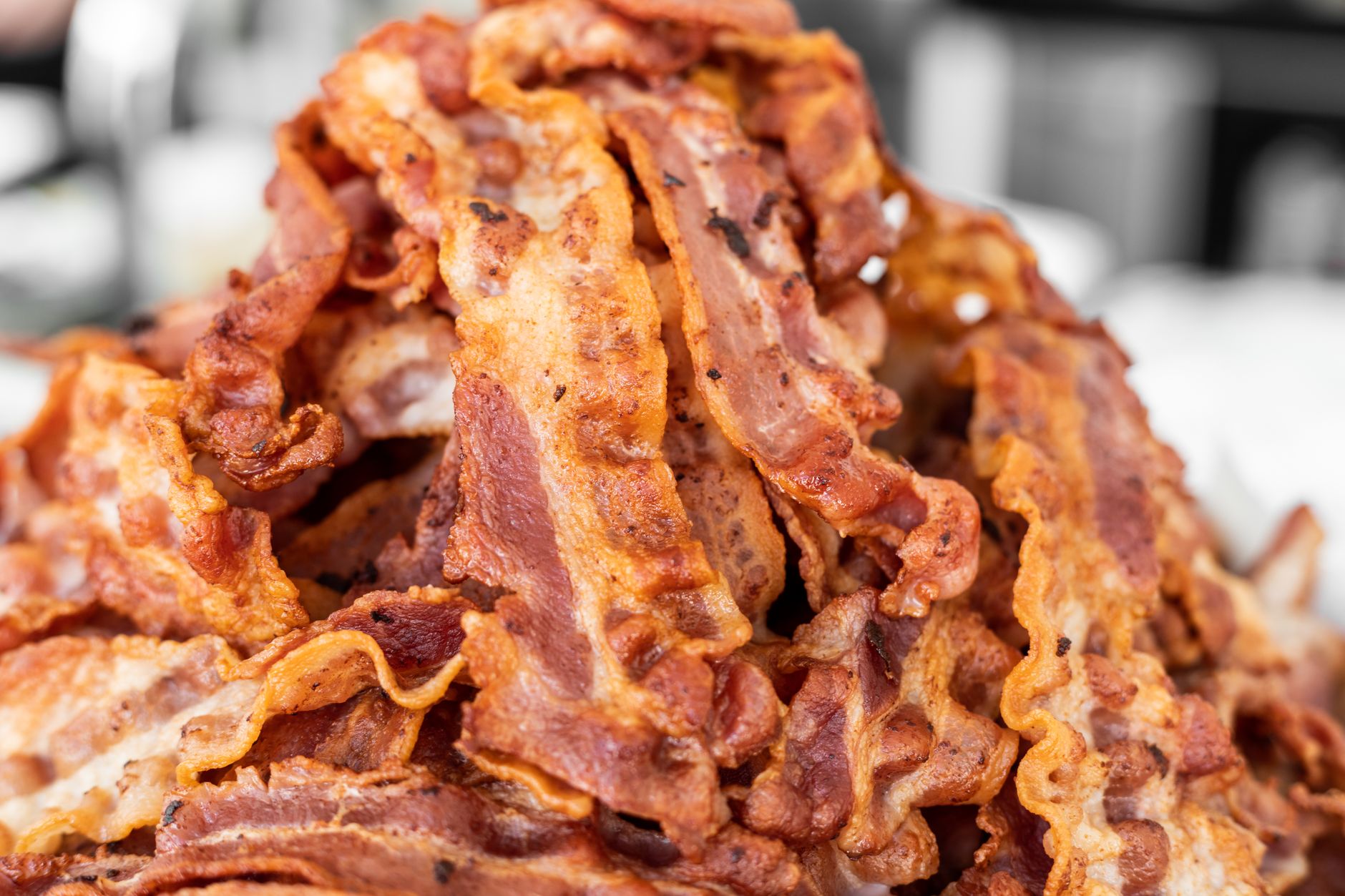
Bacon is a beloved breakfast staple known for its crispy texture and savory flavor. Cooking bacon in the oven is one of the best methods to achieve perfectly cooked strips without the mess of splattering grease. It allows for even cooking, easy batch preparation, and minimal cleanup. Understanding the best way to cook bacon in the oven can elevate your breakfast game effortlessly.
In this guide, we will explore the optimal technique for baking bacon, essential tools needed, helpful tips, and delicious variations. Whether you prefer your bacon extra crispy or slightly chewy, we’ll help you achieve the perfect balance to suit your taste.
What Is the Best Way to Cook Bacon in the Oven?
The best way to cook bacon in the oven involves laying the strips out on a rimmed baking sheet and baking them at a consistent temperature until crispy. This method provides an even cooking temperature, allowing the fat to render beautifully while retaining flavor. The result is well-cooked bacon that can be enjoyed in various dishes or on its own.
Why Cook Bacon in the Oven?
Cooking bacon in the oven offers several benefits over traditional stovetop methods:
- Even Cooking: The heat surrounds the strips of bacon evenly, reducing the risk of burnt edges and undercooked spots.
- Less Mess: Oven cooking minimizes grease splatter on your stovetop and counters, as the bacon grease is contained on the pan.
- Batch Cooking: You can cook multiple strips at once, making it ideal for large families or meal prep.
- Hands-Off Cooking: Once in the oven, you’re free to prepare other breakfast items without needing to monitor the bacon closely.
Essential Equipment for Cooking Bacon in the Oven
Before starting, gather the necessary tools:
- A rimmed baking sheet: This helps contain grease and allows for even heat distribution.
- A cooling rack (optional): Placing a rack over the baking sheet allows the fat to drip away from the bacon, resulting in crispier strips.
- Parchment paper or aluminum foil: Lining the baking sheet makes cleanup easier, as it can catch excess grease.
- A pair of tongs: Useful for handling hot bacon when it’s done cooking.
How to Cook Bacon in the Oven: Step-by-Step Instructions
Follow these steps for perfectly cooked bacon in the oven:
- Preheat Your Oven: Preheat your oven to 400°F (200°C). This temperature is ideal for achieving crispy bacon without burning.
- Prepare Your Baking Sheet: Line a rimmed baking sheet with parchment paper or aluminum foil for easy cleanup. If using a cooling rack, place it on top of the baking sheet.
- Arrange the Bacon: Lay the bacon strips in a single layer on the baking sheet or cooling rack. Ensure there is no overlapping, as this will prevent even cooking.
- Bake the Bacon: Place the baking sheet in the preheated oven. Bake for 15 to 20 minutes, depending on your preferred level of crispiness. Start checking at the 15-minute mark for your desired doneness.
- Remove and Drain: Once the bacon reaches your preferred doneness, carefully remove the baking sheet from the oven. Transfer the bacon to a plate lined with paper towels to absorb excess grease.
- Serve or Store: Enjoy your bacon immediately, or let it cool completely before storing in an airtight container in the fridge. Properly stored bacon can last for about one week.
Tips for Perfectly Cooked Bacon
Consider these tips to enhance your bacon baking experience:
- Don’t Overcrowd: Leave space between bacon strips for proper heat circulation.
- Know Your Oven: Ovens can vary in heat distribution, so keep a close eye on your bacon as it cooks, especially the first time you try this method.
- Thickness Matters: Thick-cut bacon will require a longer cooking time than standard-cut bacon. Adjust the cooking time accordingly.
- Save the Grease: Bacon grease is a valuable cooking fat. Pour it into a heat-proof container for later use in cooking or flavoring other dishes.
Common Mistakes to Avoid
Even with the best techniques, some pitfalls can occur. Here are common mistakes to avoid:
- Not Preheating: Cooking on a cold baking sheet can lead to uneven cooking.
- Crowding the Pan: Overlapping strips can cause them to steam rather than bake, resulting in a less desirable texture.
- Ignoring Cooking Times: Cooking bacon too long can lead to burnt strips, while cooking too short can leave them rubbery or undercooked.
- Using Low Temperature: Cooking bacon at a lower temperature may lead to chewy bacon instead of the crispy texture most people enjoy.
Flavor Variations for Oven-Cooked Bacon
While traditional bacon is delightful on its own, consider these flavor variations to elevate your breakfast:
Candied Bacon
- Brush bacon strips with a mixture of brown sugar and maple syrup before baking.
- This creates a sweet and salty flavor that is perfect for a decadent treat.
Spicy Bacon
- Sprinkle cayenne pepper or red pepper flakes on the bacon strips for an added kick.
- This pairs well with breakfast burritos or avocado toast.
Bacon with Herbs
- Combine black pepper with finely chopped fresh herbs, like rosemary or thyme, and sprinkle it over the bacon.
- This gives a wonderful aromatic flavor to the bacon.
Cheesy Bacon
- In the final minutes of cooking, sprinkle grated cheese on the bacon and return it to the oven until melted.
- This offers a delightful cheesy addition to sandwiches or burgers.
Seasoned Bacon
- Experiment with different spice blends, such as garlic powder, onion powder, or smoked paprika.
- These options can complement the flavors in various dishes.
Serving Suggestions
Bacon can be enjoyed in many ways beyond breakfast. Here are a few serving suggestions:
- Add crispy bacon strips to your breakfast burrito or omelet for added protein and flavor.
- Layer bacon on top of salads for an extra crunch.
- Incorporate bacon into burgers or sandwiches for an upgrade.
- Use crumbled bacon to enhance pasta dishes, like carbonara or creamy alfredo.
- Make a bacon-wrapped appetizer with items like jalapeños or water chestnuts.
Storage and Reheating Bacon
Proper storage and reheating techniques are essential for enjoying bacon later. Here’s how to store and reheat it:
Storing Bacon
- Once cooled, place cooked bacon in an airtight container or wrap it tightly in aluminum foil.
- Store it in the refrigerator for up to one week or freeze it for up to three months.
Reheating Bacon
- To reheat bacon, place it on a baking sheet and warm it in a 350°F (175°C) oven for about 10 minutes, or until heated through.
- Alternatively, you can reheat bacon in the microwave between two paper towels, but be cautious not to overcook it.
Conclusion
Cooking bacon in the oven is a straightforward and effective method for achieving delicious, crispy strips with minimal hassle. By following the steps outlined in this guide, you can enjoy perfectly cooked bacon any time you desire. Whether you stick to the classic version or try experimenting with flavors and variations, the oven method will ensure consistently delightful results.
For more delicious bacon recipes, check out our candied bacon recipe or explore the unique flavors in our million dollar bacon recipe. Happy cooking!