
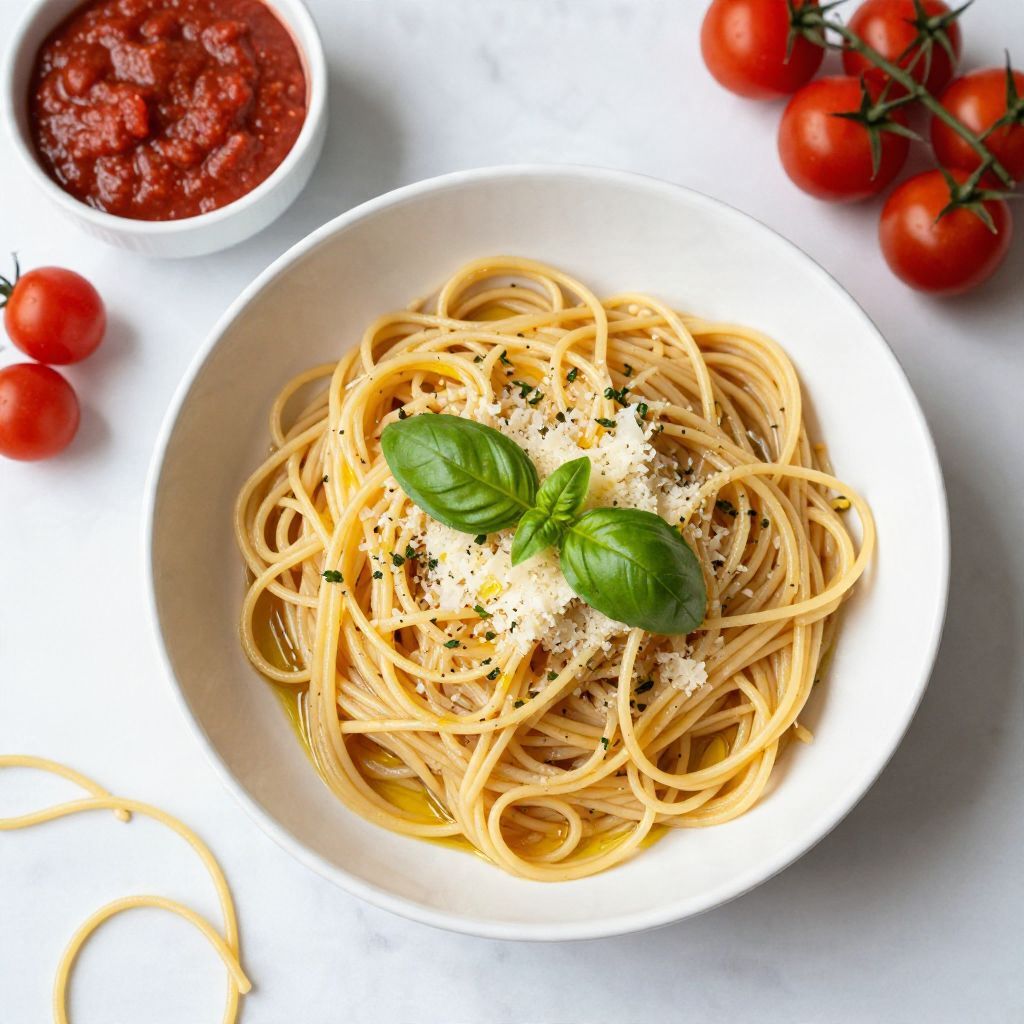
There’s something magical about the aroma of boiling pasta wafting through the kitchen. This Basic Pasta Recipe is a staple that showcases simplicity and versatility, perfect for any home cook. You’ll find that this dish is not just about filling your plate; it’s about creating a foundation for countless meals, whether you want a quick weeknight dinner or a base for gourmet sauces. With its chewy texture and ability to absorb flavors, homemade pasta can elevate any dish you create. Let’s roll up our sleeves and dive into how to make this delicious staple.
Why You’ll Love This Recipe
This basic pasta recipe is a must-have in your cooking repertoire for several reasons.
- Quick and easy to make.
- Versatile for various dishes and sauces.
- Uses simple ingredients you likely already have.
- Perfect for both novice and experienced cooks.
- Can be customized with different flavors and shapes.
My Experience Making This Recipe
Every time I make this pasta, it takes me back to my childhood, where my family gathered around the kitchen table. The joy of rolling out the dough and cutting it into shapes brings a warmth that store-bought pasta just can’t match.
When I serve it, the compliments never stop. Friends and family rave about the texture and flavor, and I can’t help but feel a sense of pride in creating something so simple yet so satisfying.
Recipe Overview
- Recipe Name: Basic Pasta Recipe
- Servings: 4
- Prep Time: 15 minutes
- Cook Time: 10 minutes
- Total Time: 25 minutes
- Course: Main Dish
- Cuisine: Italian
- Calories per Serving: 200
Equipment You Will Need
- Large pot
- Mixing bowl
- Rolling pin
- Knife or pasta cutter
- Colander
- Fork
Ingredients for Basic Pasta Recipe
- 2 cups all-purpose flour
- 3 large eggs
- 1 teaspoon salt
- 1 tablespoon olive oil (optional)
Ingredient Notes and Substitutions
- All-purpose flour: Used for its gluten content, which helps with structure. You can substitute with semolina flour for a firmer texture.
- Eggs: Provide richness and flavor. Flax eggs or aquafaba can be used for a vegan option.
- Salt: Enhances flavor in the dough. You can reduce the amount for a low-sodium version.
- Olive oil: Adds flavor and tenderness. It’s optional, but it can be replaced with any neutral oil.
How to Make Basic Pasta Recipe
Step 1: Prepare the Dough
In a large mixing bowl, combine the flour and salt. This creates a balanced base for your pasta and helps the dough rise.
Step 2: Create a Well
Make a well in the center of the flour mixture. This is where you’ll crack the eggs, allowing them to mix into the flour smoothly.
Step 3: Add Eggs and Oil
Crack the eggs into the well and add the olive oil if using. The eggs provide moisture and richness, making your pasta tender.
Step 4: Mix the Dough
Using a fork, gently beat the eggs, gradually incorporating the flour from the edges of the well. This method prevents the eggs from spilling out while ensuring an even mixture.
Step 5: Knead the Dough
Once combined, transfer the dough to a floured surface and knead for about 10 minutes. Kneading develops gluten, giving the pasta its chewy texture.
Step 6: Rest the Dough
Wrap the dough in plastic wrap and let it rest for 30 minutes at room temperature. This relaxes the gluten, making it easier to roll out.
Step 7: Roll Out the Dough
After resting, divide the dough into quarters and roll out each piece with a rolling pin. Aim for a thinness of about 1/16 inch for optimal cooking.
Step 8: Cut and Shape the Pasta
Use a knife or pasta cutter to shape the dough into your desired pasta type. Whether you choose fettuccine or lasagna sheets, each shape offers a unique bite.
Pro Tip: Always salt your pasta water generously before cooking; this enhances the flavor of the pasta itself.
Tips for the Best Basic Pasta Recipe
- Use fresh eggs for richer flavor.
- Knead thoroughly for a perfect texture.
- Don’t skip the resting time; it’s crucial for elasticity.
- Keep your workspace floured to prevent sticking.
- Experiment with different flours for unique tastes.
Common Mistakes to Avoid
- Skipping the resting time can lead to tough dough.
- Not salting the water results in bland pasta.
- Rolling the dough too thick makes it chewy rather than tender.
- Not kneading enough leads to a fragile texture.
Serving Suggestions
This pasta pairs beautifully with a variety of sauces and toppings.
- Classic marinara or bolognese for a hearty meal.
- Garlic and olive oil for a light yet flavorful dish.
- Alfredo sauce for a creamy option.
- Fresh vegetables and herbs for a refreshing twist.
Variations to Try
- Add spinach puree to the dough for a vibrant green pasta.
- Incorporate herbs like basil or parsley for added flavor.
- Try different shapes, such as ravioli, to fill with your favorite ingredients.
- Make whole wheat pasta for a healthier option.
Dietary Adaptations
- Gluten-free: Use gluten-free all-purpose flour for a similar texture.
- Dairy-free: This recipe is naturally dairy-free.
- Vegan/Vegetarian: Replace eggs with flax eggs for a vegan version.
- Low-carb/Keto: Use almond flour or egg-based pasta for lower carbs.
Storage and Reheating
Refrigerator
Store leftover pasta in an airtight container for up to three days.
- Keep sauce separate to prevent sogginess.
- Reheat gently on the stove or microwave.
Freezer
You can freeze uncooked pasta for up to three months.
- Lay it flat on a baking sheet to freeze before transferring to a container.
- Cook from frozen, adding a minute or two to the cooking time.
Reheating
To reheat cooked pasta, add a splash of water and warm it on low heat.
- Stir frequently to prevent sticking.
- For best results, add fresh sauce during reheating.
Nutrition Information
| Nutrient | Amount |
|---|---|
| Calories | 200 |
| Total Fat | 4g |
| Saturated Fat | 1g |
| Carbohydrates | 38g |
| Fiber | 2g |
| Sugar | 0g |
| Protein | 8g |
| Sodium | 200mg |
| Cholesterol | 150mg |
Nutrition values may vary based on specific ingredients and brands used.
Frequently Asked Questions
Can I make this pasta ahead of time?
Yes, you can prepare the dough in advance and store it in the refrigerator for up to two days.
What can I substitute for eggs in the recipe?
Flax eggs or aquafaba work well for a vegan alternative, providing moisture and binding.
How do I store leftover pasta?
Store cooked pasta in an airtight container in the refrigerator for up to three days.
My pasta turned out too sticky; what did I do wrong?
This can happen if the dough is not kneaded properly or if it’s too humid. Adding a little extra flour can help.
Can I freeze the pasta?
Absolutely! Uncooked pasta freezes well and can be cooked directly from the freezer.
Final Thoughts
Making your own pasta can be a delightful and rewarding experience, transforming simple ingredients into a delicious meal. I encourage you to try this Basic Pasta Recipe and enjoy the satisfaction of creating something from scratch.
For more delicious ideas, check out my Million Dollar Lasagna Recipe and try something new with my Pasta and Peas Recipe. Happy cooking!