
Potassium is an essential mineral that plays a crucial role in maintaining various bodily functions. It’s vital for muscle contraction, nerve function, and helps regulate blood pressure. But where can you find the best sources of potassium? This article will explore the top dietary sources, how to incorporate them into meals, and practical tips for ensuring you reach your potassium goals.
While bananas are often the fruit that comes to mind when thinking of potassium, there are numerous other foods that offer even more of this essential nutrient. By understanding the best sources of potassium, you can make informed choices while meal planning and cooking at home. Let’s dive deeper into the many foods rich in potassium and how to include them in your diet.
What Is the Best Source of Potassium?
The best sources of potassium include fruits, vegetables, legumes, nuts, and dairy products. Among these, foods such as potatoes, sweet potatoes, spinach, and bananas are particularly rich in potassium. Aim to include a variety of these foods in your diet to not only meet your potassium needs but also to benefit from the diverse nutrients they offer.
Top Food Sources of Potassium
Here’s a detailed list of some of the best sources of potassium to consider for your meals:
- Potatoes: A medium baked potato with skin contains about 926 mg of potassium. The skin is a rich source, so leave it on when preparing.
- Sweet Potatoes: These vibrant tubers offer about 540 mg of potassium per medium-sized sweet potato. They’re delicious when roasted or mashed.
- Spinach: Cooked spinach provides around 839 mg of potassium per cup. Sauté it with garlic for a tasty side dish.
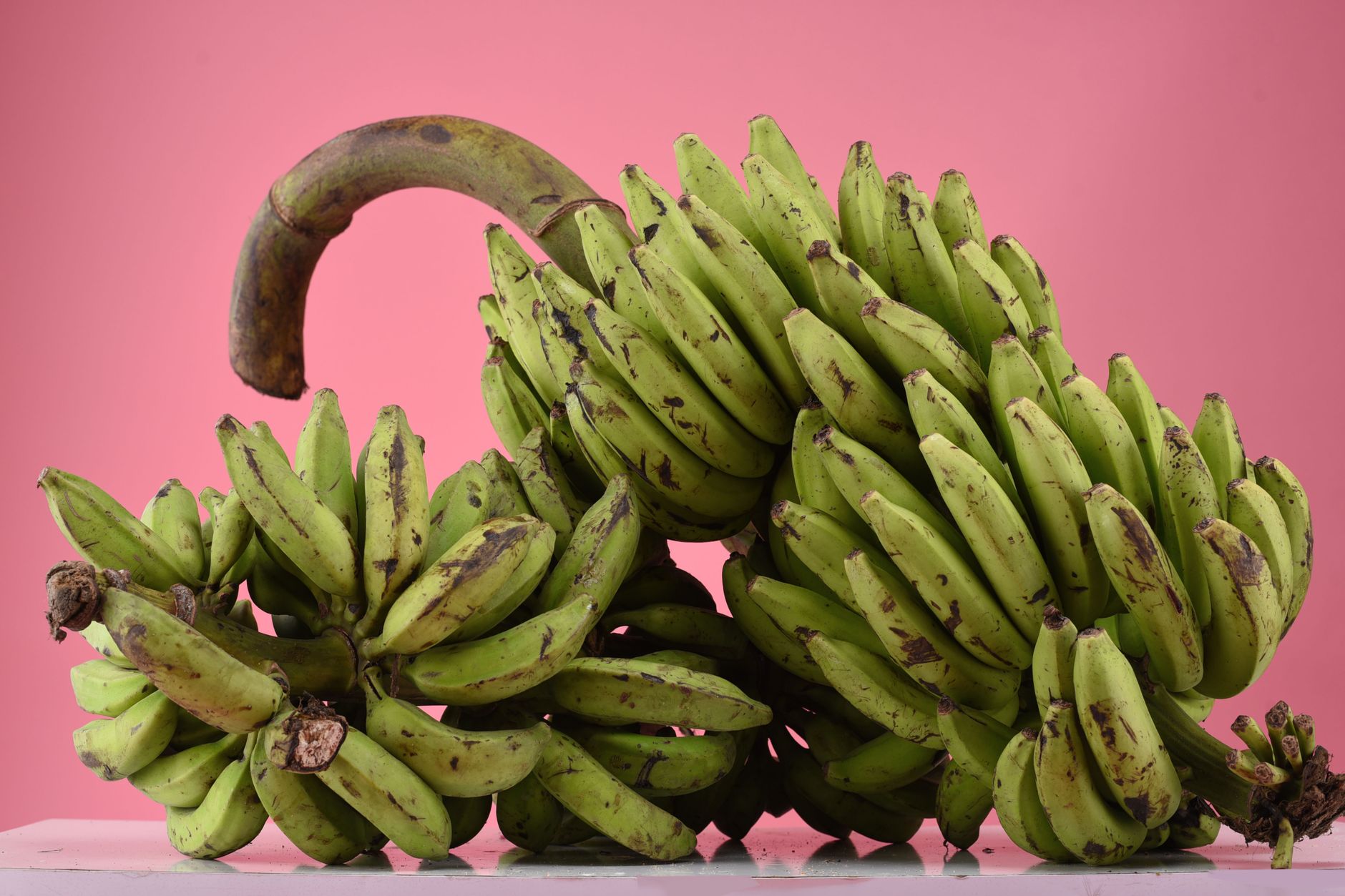
- Bananas: A medium banana has about 422 mg of potassium. Perfect for snacking, they are also great in smoothies or oatmeal.
- Avocados: One medium avocado contains approximately 975 mg of potassium. Use them in salads, spreads, or on toast.
- Beans: Different varieties of beans, such as white beans, kidney beans, and lentils, can provide over 600 mg of potassium per cup when cooked. They’re excellent in soups, stews, or salads.
- Beet Greens: Particularly rich in potassium, beet greens offer around 1,300 mg per cooked cup. Try them sautéed with olive oil.
- Oranges: One medium orange contains about 237 mg of potassium. Juicing or adding them to fruit salads is a refreshing way to utilize them.
- Yogurt: Plain yogurt contains around potassium with about 573 mg per cup. Use as a base for smoothies or enjoy it with fruit and nuts.
- Tomatoes: A cup of tomato sauce provides approximately 728 mg of potassium. Use in pasta dishes or as a base for chili.
How to Incorporate Potassium-Rich Foods into Your Diet
Now that you know some of the best food sources of potassium, here are practical ways to include them in your daily meals:
Breakfast Ideas
- Banana oatmeal: Start your day with a bowl of oatmeal topped with sliced bananas and a sprinkle of nuts.
- Spinach omelet: Whip up an omelet filled with sautéed spinach and tomatoes.
- Yogurt parfait: Layer yogurt with fresh fruits and a handful of nuts or granola for added texture and flavor.
Lunch Highlights
- Bean salads: Combine beans, diced tomatoes, avocado, and a squeeze of lime for a zesty salad.
- Wraps and sandwiches: Fill whole-grain wraps with mashed avocado, grilled chicken, and a side of spinach.
- Vegetable soup: Make a hearty soup using potatoes, spinach, and beans for a filling, potassium-packed meal.
Dinner Options
- Roasted sweet potatoes: Roast sweet potatoes and serve them alongside grilled chicken or fish.
- Pasta with tomato sauce: Make a homemade tomato sauce bursting with herbs and spices.
- Stir-fried greens: Stir-fry beet greens with garlic and a splash of soy sauce for a simple, tasty side dish.
Snacks
- Hummus with vegetables: Dip carrot, cucumber, and bell pepper sticks in hummus made with tahini, which also has potassium.
- Avocado toast: Spread mashed avocado on whole-grain toast, topped with tomato slices.
- Fruit smoothies: Blend bananas, spinach, and yogurt for a refreshing drink.
Practical Tips for Maximizing Potassium Intake
Here are some practical tips to ensure you maximize your potassium intake:
- Variety is Key: Eating a wide variety of potassium-rich foods ensures that you get not just potassium, but also other essential nutrients.
- Cooking Methods Matter: Boiling vegetables can cause potassium to leach into the cooking water. Instead, steam, roast, or sauté vegetables to preserve their potassium content.
- Read Nutrition Labels: Be mindful of processed foods, which may often contain lower potassium levels. Focus instead on whole foods.
- Consider Potassium Supplements Cautiously: It’s best to obtain potassium from food sources rather than supplements unless advised by a healthcare professional.
Common Mistakes to Avoid
When aiming to increase potassium intake, several common mistakes can hinder progress:
- Ignoring Other Nutrients: While focusing on potassium, don’t neglect other essential vitamins and minerals in your diet.
- Overcooking Vegetables: Overcooked vegetables may lose significant nutritional value, including potassium.
- Confusing Sodium and Potassium: While potassium helps regulate sodium levels, consume both in balance. Reducing sodium can enhance potassium’s effect on blood pressure.
Meal Planning with Potassium in Mind
Integrating high-potassium foods into your meal planning can be straightforward. Here’s how to create a week’s worth of meals while emphasizing potassium-rich ingredients:
Sample Weekly Meal Plan
| Day | Breakfast | Lunch | Dinner |
|---|---|---|---|
| Monday | Banana oatmeal | Bean salad | Roasted sweet potatoes with chicken |
| Tuesday | Yogurt parfait with fruits | Spinach salad with avocado | Pasta with tomato sauce |
| Wednesday | Spinach omelet | Whole grain wrap with avocado and chicken | Vegetable stir-fry |
| Thursday | Fruit smoothie | Hummus with carrot sticks | Soups made with beans and potatoes |
| Friday | Toast with avocado | Leftover sweet potato salad | Baked fish with steamed spinach |
| Saturday | Breakfast burrito with black beans | Quinoa bowl with roasted veggies | Stuffed peppers with rice and beans |
| Sunday | Smoothie bowl topped with fruits | Pasta salad with spinach and tomatoes | Chili with beans and potatoes |
Food Storage Tips to Retain Nutrients
Proper food storage can help retain potassium levels in your fruits and vegetables. Here are some guidelines:
- Refrigerate perishable items: Store fruits and vegetables in the refrigerator to slow down spoilage and nutrient loss.
- Avoid prolonged soaking: Soaking beans for too long before cooking can lead to nutrient loss. Soak them for only a few hours.
- Use airtight containers: For cooked foods, use airtight containers to keep moisture in and reduce exposure to air, preserving nutrients.
Conclusion
Incorporating potassium-rich foods into your daily meals is key to optimal health. Potatoes, bananas, beans, and leafy greens form the foundation of a diet that meets your potassium needs. Remember to vary your choices and prepare them thoughtfully to maximize their nutrient retention.
Now that you have a better understanding of the best sources of potassium, take the next step by planning meals that highlight these foods. You may also want to explore how much fiber is in bananas or learn how to bake boneless pork chops for exciting meal options.