
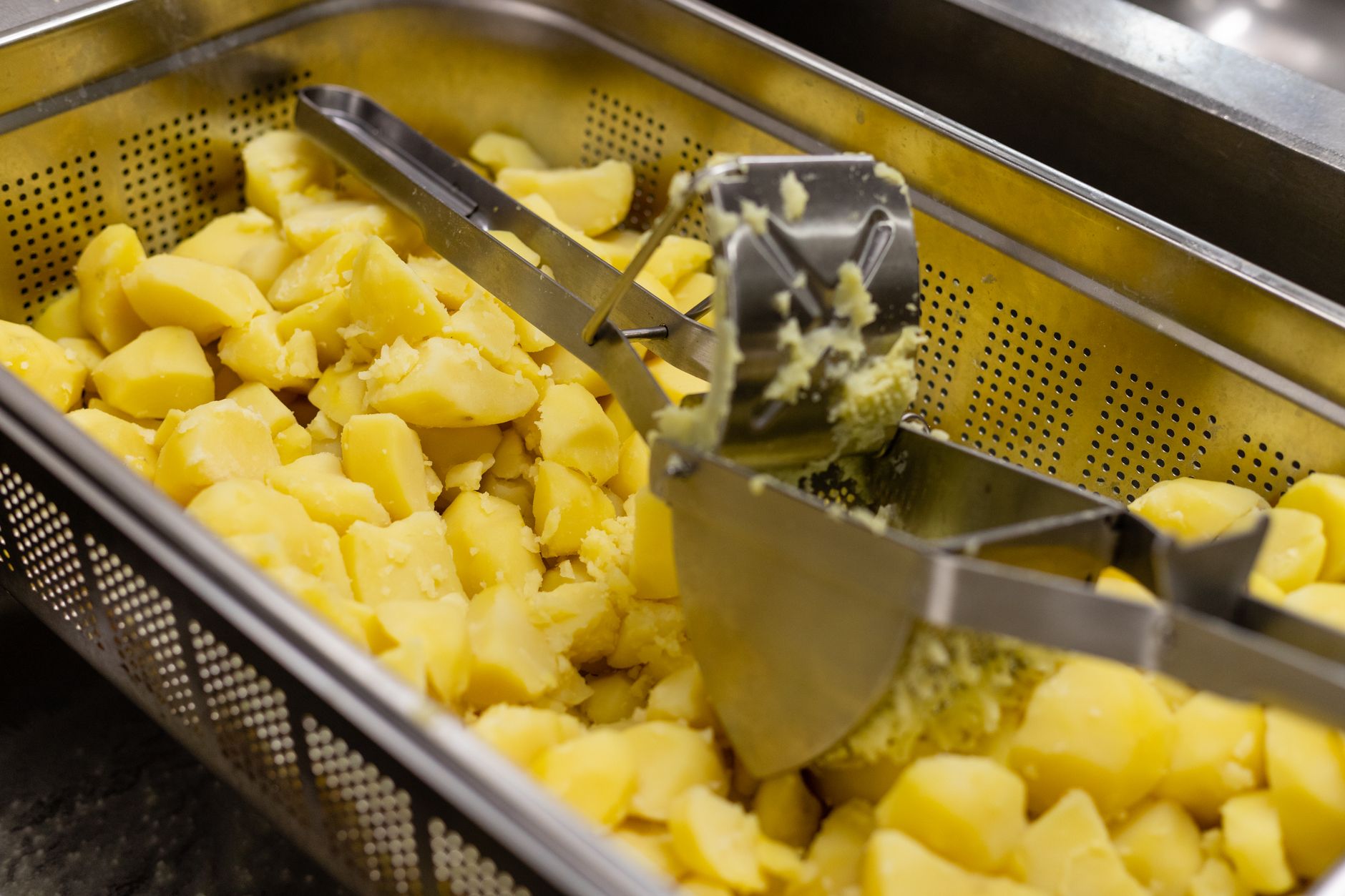
Mashed potatoes are a beloved comfort food that graces tables across the globe. But not all potatoes are created equal when it comes to achieving the perfect creamy, fluffy texture. The choice of potato can significantly affect the overall flavor and texture of your mash. Understanding which potatoes work best can transform a simple side dish into a flavorful delight.
This guide will explore the various types of potatoes, focusing on the characteristics that make them suitable for mashed potatoes. It’s essential to choose the right variety to create a dish that your family and guests will love.
What Is the Best Potato for Mashed Potatoes?
The best potatoes for mashed potatoes are starchy varieties such as Russet and Yukon Gold. These potatoes contain high starch content, which results in a light and fluffy texture when mashed. Waxy potatoes, like Red or New potatoes, are not ideal as they tend to be firmer and less creamy.
The Characteristics of Potatoes for Mashing
Before diving into the ideal potato varieties, it’s essential to understand some characteristics common in potatoes that contribute to successful mashing.
- Starch Content: Starchy potatoes have a high starch to moisture ratio, which helps them break down easily when cooked, resulting in a light, fluffy texture.
- Moisture Content: Potatoes with less moisture will yield a drier mash, which is often preferable for achieving a creamy consistency.
- Flavor: The flavor of potatoes can range from mildly sweet to earthy. Choosing a flavorful variety can enhance the overall taste of mashed potatoes.
Top Potato Varieties for Mashed Potatoes
Let’s explore the best potato varieties for mashing, detailing their unique attributes, and how they contribute to the perfect mashed potatoes.
1. Russet Potatoes
Russet potatoes are often referred to as Idaho potatoes and are a popular choice for mashed potatoes due to their high starch content.
- Texture: When cooked, Russets become very fluffy and light, making them ideal for mashing.
- Flavor: They have a slightly nutty flavor that pairs well with butter and cream.
- Preparation: For the best results, peel and chop them into even pieces before boiling.
2. Yukon Gold Potatoes
Yukon Gold potatoes are a versatile variety with a creamy texture that works wonderfully for mashed potatoes.
- Texture: These potatoes are known for their natural creaminess, providing a rich mouthfeel when mashed.
- Flavor: They offer a slightly buttery flavor that enhances the mashed potatoes without needing excessive added ingredients.
- Preparation: Unlike Russets, you can leave the skin on for added color and nutrients.
3. Red Potatoes
While not the first choice for mashed potatoes, red potatoes can still yield surprisingly good results if handled correctly.
- Texture: Red potatoes are waxy, meaning they hold their shape better, leading to a denser mash.
- Flavor: They have a subtle sweetness and earthy flavor, which can add depth to your mash.
- Preparation: Consider blending red potatoes with starchy varieties for a balanced texture.
4. Purple Potatoes
Purple potatoes are a unique and colorful option that can make mashed potatoes visually striking.
- Texture: They are somewhat waxy, so they may not be as fluffy as Yukon Golds or Russets.
- Flavor: Their flavor is nutty, with earthy undertones that can add interesting notes to your dish.
- Preparation: Pair them with starchy potatoes for improved texture and mix for a colorful mash.
How to Prepare Potatoes for Mashing
Once you have selected the right type of potato, the cooking method can impact the final result. Here’s a step-by-step guide to prepare your potatoes for the perfect mash.
- Peeled or Not: Depending on the potato variety you choose, decide whether to peel the potatoes. Russets should be peeled, while Yukon Golds can be mashed with skin left on.
- Cut into Uniform Pieces: Cut your potatoes into even chunks (around 1-2 inches) to ensure they cook uniformly.
- Rinse: Rinse the potato pieces under cold water to remove excess starch, which can lead to gumminess.
- Boil: Place potatoes in a pot and cover with cold water. Bring to a boil, then reduce to a simmer. Cook until fork-tender, about 15-20 minutes.
- Drain and Dry: Drain the potatoes and return them to the pot. Allow them to steam dry for a minute or two to evaporate excess moisture, leading to a creamier mash.
Mashing Techniques
The method you use to mash your potatoes can also affect their final texture. Here are the most common techniques:
1. Hand Masher
A simple hand masher allows for more control over the texture. With this method, you can achieve a rustic mash with more potato texture.
2. Potato Ricer
A potato ricer produces exceptionally smooth and fluffy mashed potatoes. The ricing process removes lumps effectively, creating a light texture.
3. Food Mill
A food mill works similarly to a ricer but is slightly bulkier. It produces a smooth mash without overworking the potatoes, which may lead to gumminess.
4. Mixer or Food Processor
While using an electric mixer or food processor can yield incredibly smooth mashed potatoes, be cautious. Over-mixing can turn your mash into glue due to excess starch release.
Enhancing Your Mashed Potatoes
To elevate your mashed potatoes from good to great, consider adding the following ingredients:
- Butter: A must for flavor and richness. Use high-quality butter for the best results.
- Heavy Cream or Milk: These add creaminess; adjust the amount to reach your desired texture.
- Seasonings: Salt and freshly cracked black pepper are staples, while garlic powder, chives, or herbs can introduce interesting flavors.
Common Mistakes in Making Mashed Potatoes
Even with the right potatoes and preparation, it’s easy to make mistakes when it comes to mashed potatoes. Here are some common pitfalls to avoid:
- Overcooking Potatoes: Overcooked potatoes can become waterlogged, leading to a gummy texture.
- Using the Wrong Potato: Remember, waxy potatoes will likely result in a dense and heavy mash.
- Not Drying Potatoes: Failing to dry your potatoes adequately after boiling can result in watery mashed potatoes.
- Over-Mixing: Using an electric mixer for too long can turn fluffy potatoes into an unappetizing gluey consistency.
Seasoning and Serving Ideas
Once your mashed potatoes are perfectly fluffy and flavorful, consider various seasoning and serving ideas to impress your guests:
- Garlic Mashed Potatoes: Roast garlic and mix it into your mash for an incredibly rich flavor.
- Herb-Infused: Add fresh herbs like rosemary or thyme for an aromatic twist.
- Cheesy Mashed Potatoes: Incorporate grated cheese, such as cheddar or Parmesan, for added richness and flavor.
- Mashed Sweet Potatoes: Blend sweet and regular potatoes together for a different flavor profile.
Make-Ahead Tips for Mashed Potatoes
Mashed potatoes can be prepared ahead of time, making them an excellent option for holiday meals or dinner parties. Here are helpful tips for make-ahead mashed potatoes:
- Prepare and Cool: Follow the preparation steps and cool the mashed potatoes completely before storing.
- Storage: Store in an airtight container in the fridge for up to three days or freeze for longer storage.
- Reheating: When reheating, add extra cream or butter to restore consistency and flavor.
Conclusion
Choosing the right potato variety is essential for making delicious mashed potatoes. While Russets and Yukon Golds are the top contenders due to their texture and flavor contributions, incorporating other potatoes like reds or purples can introduce unique characteristics to your dish. Always remember the preparation techniques and seasoning possibilities to elevate your mashed potatoes into a standout side dish for any occasion.
Explore related recipes and cooking guides to enhance your meal planning, including our loaded mashed potatoes recipe and the potato pave recipe for a delicious twist on traditional potatoes.