
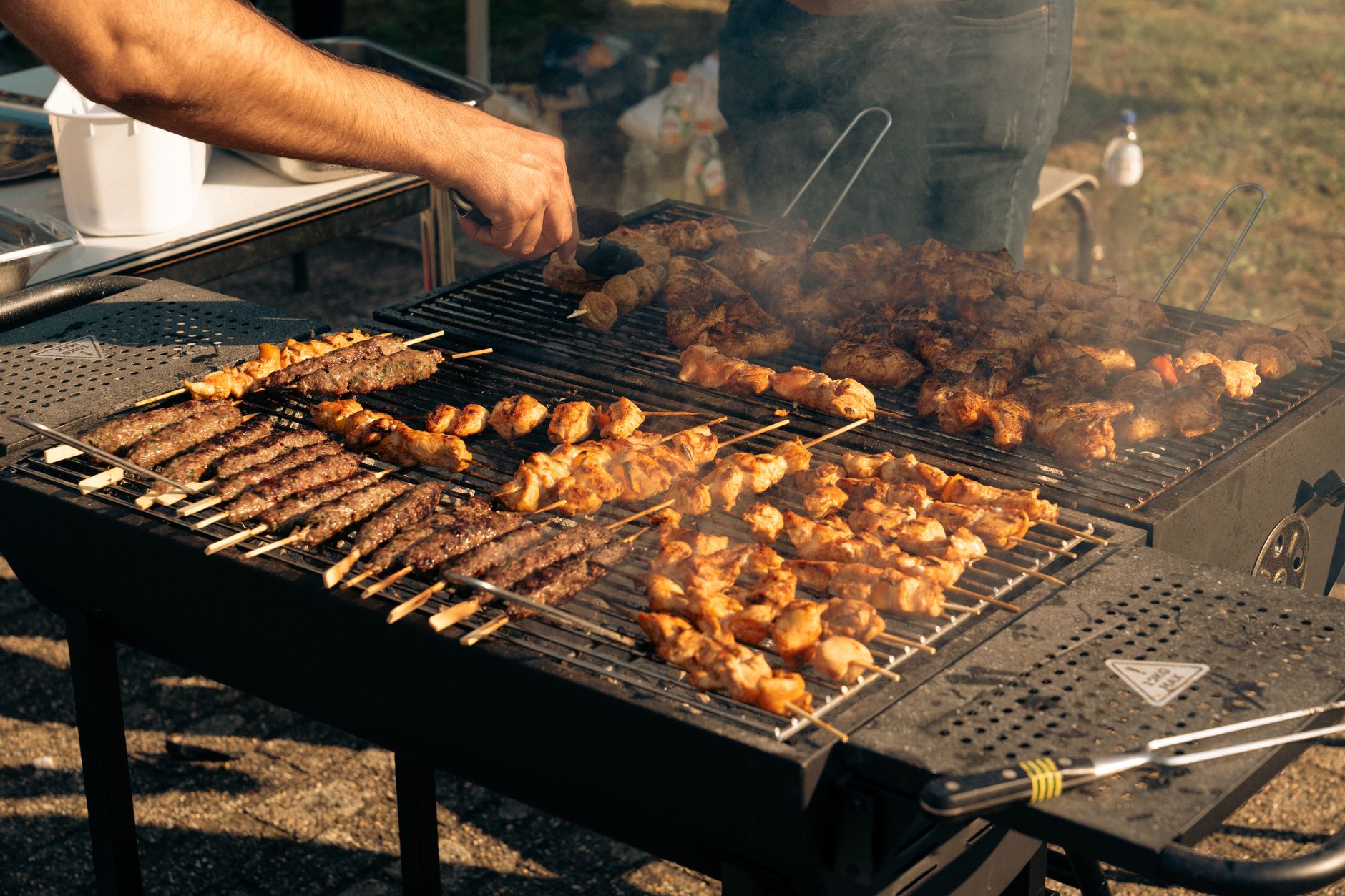
Choosing the best meat to eat involves balancing flavor, nutritional value, and culinary versatility. With numerous options available, understanding the distinctions in taste, texture, and cooking methods can help guide your selections. This article will provide a comprehensive overview of various types of meat, their flavors, cooking uses, and nutritional considerations.
Before diving into meat choices, it’s important to recognize that individual preferences, dietary restrictions, and ethical considerations may influence your decisions. This guide aims to clarify options to make informed choices that suit your taste and lifestyle.
What Is the Best Meat to Eat?
The best meat to eat depends on your flavor preferences, nutritional needs, and cooking methods. Common choices include chicken, beef, pork, lamb, turkey, and various seafood types. Each offers unique flavors and can be used in a variety of dishes.
Types of Meat
Understanding the different types of meat available will assist in making informed cooking decisions. Here are several key categories:
Poultry
Poultry includes birds such as chicken, turkey, duck, and goose. Each type has distinct flavors, but generally, poultry tends to be lean, making it a popular choice for health-conscious consumers.
- Chicken: The most widely consumed poultry. It has a mild flavor that easily absorbs other seasonings. Popular cuts include breasts, thighs, drumsticks, and wings.
- Turkey: Often enjoyed during holidays, turkey is denser than chicken and offers a slightly richer flavor. It is available in whole birds or various cuts.
- Duck: Known for its richer flavor and fattiness, duck is versatile and commonly roasted, grilled, or braised.
- Goose: Similar to duck but larger, goose has a stronger flavor. It is often roasted and served on special occasions.
Beef
Beef is known for its robust flavor and variety of cuts. This meat can be used in countless dishes from burgers to steaks and stews.
- Ground Beef: Versatile and commonly used in burgers, meatballs, and sauces. Its fat content can vary significantly, affecting flavor and juiciness.
- Steaks: Cuts such as ribeye, sirloin, and filet mignon offer different flavors and tenderness levels. Cooking methods vary from grilling to pan-searing.
- Roast Beef: Often made from tougher cuts, roast beef can be slow-cooked or braised to enhance tenderness and flavor.
- Brisket: Great for smoking and barbecuing, brisket has rich flavors and requires long cooking times for optimal tenderness.
Pork
Pork is another popular choice, known for its sweetness and tenderness. It is widely available, making it a staple in many kitchens.
- Pork Chops: These can be grilled, baked, or pan-fried and come in bone-in or boneless varieties.
- Pork Tenderloin: A lean and juicy cut that cooks quickly, suitable for marinating and grilling.
- Ground Pork: Used in dumplings, meatballs, or as a substitute for ground beef. It adds a slightly sweeter flavor.
- Bacon: Made from pork belly, it is enjoyed for its smoky flavor, often used in breakfast dishes and salads.
Lamb
Lamb has a distinct flavor that is richer than most meats, making it a favorite in various cuisines, particularly Middle Eastern and Mediterranean.
- Lamb Chops: Tender and flavorful, often grilled or roasted. They can be seasoned with herbs and spices.
- Lamb Legs: Typically roasted, this cut can feed many and is a great choice for special occasions.
- Ground Lamb: Often used in Mediterranean dishes such as kebabs, burgers, or spiced meatballs.
Seafood
Seafood options include fish and shellfish, known for their rich flavors, health benefits, and versatile cooking methods.
- Fish: Varieties like salmon, tuna, and cod are popular. They can be grilled, baked, broiled, or steamed.
- Shrimp: A favorite for its quick cooking time and versatility. Great in stir-fries, salads, or pasta dishes.
- Shellfish: This includes lobster, crab, and mussels. Often enjoyed steamed or in rich creamy sauces.
Flavor Profiles
The flavor of meat greatly depends on factors such as the type of animal, its diet, and the cooking technique used. Here’s a breakdown of some key meat flavors:
Poultry Flavor Characteristics
Poultry tends to have a mild flavor but varies by type. Chicken is versatile and the most neutral, allowing it to take on many different flavors. Turkey offers a richer taste, while duck introduces a more pronounced flavor due to its fat content.
Beef Flavor Characteristics
Beef has a robust flavor that becomes richer and deeper depending on the cut and cooking method. For example, grilling or smoking enhances the natural flavors, especially of fattier cuts like ribeye.
Pork Flavor Characteristics
Pork has a naturally sweet and tender flavor. Its taste can vary significantly based on how it’s prepared. Bacon is heavily salted and smoked, while tenderloin is lean and subtle in flavor.
Lamb Flavor Characteristics
Lamb has a stronger, gamey flavor compared to the other meats mentioned. Young lamb (spring lamb) tends to be milder, while older lamb can be much richer, which is often preferred for roasting.
Seafood Flavor Characteristics
Seafood offers a variety of flavors that range from mild to strong. Fish like tilapia and cod have light, delicate flavors, while salmon is richer and more pronounced. Shellfish can have a briny flavor that reflects their environment.
Cooking Uses and Techniques
The best cooking methods enhance the characteristics of the meat you choose while keeping it safe to eat. Here are some techniques for different types of meat:
Poultry Cooking Techniques
- Grilling: Ideal for chicken and turkey, grilling imparts a smoky flavor and creates a crispy exterior.
- Roasting: Best for whole birds, roasting allows for even cooking and rich flavor development.
- Sautéing: Suitable for chicken breast and thighs. Quick cooking preserves moisture and tenderness.
- Poaching: A healthy method, poaching keeps poultry moist and tender, ideal for salads or sandwiches.
Beef Cooking Techniques
- Grilling: Perfect for steaks and burgers, grilling enhances flavor through char and juices.
- Slow Cooking: Great for tougher cuts such as brisket or chuck, slow cooking breaks down fibers for tenderness.
- Pan-Seared: Pan-searing helps create a crispy outer layer while keeping the inside juicy.
- Braised: Braising works well for roasts, combining cooking methods that yield both flavor and softness.
Pork Cooking Techniques
- Baking: Ideal for roasts and chops, baking provides even heat without drying out the meat.
- Grilling: Great for pork chops and tenderloins, grilling creates depth and crispness.
- Stir-Frying: Ground pork works well in quick stir-fry dishes, allowing for quick cooking with vegetables.
- Smoking: Enhances the flavor of cuts like ribs and shoulders, making for a rich and tender result.
Lamb Cooking Techniques
- Roasting: Whole legs of lamb or shoulder can be roasted to develop deep flavors.
- Grilling: Lamb chops can be grilled for a smoky finish while maintaining juiciness.
- Braising: Ideal for tougher cuts, braising enhances flavor through slow cooking with liquid.
Seafood Cooking Techniques
- Grilling: Fish and shellfish can be deliciously grilled to add a smoky flavor and maintain moisture.
- Steaming: A healthy option, steaming seafood preserves natural flavors without added fats.
- Baking: Baking is suitable for fish fillets, allowing for even cooking without losing moisture.
- Pan-Searing: Fish like salmon can be perfectly pan-seared for a crispy skin and tender inside.
Nutritional Considerations
When choosing meat, understanding its nutritional profile is essential for a balanced diet. Each type of meat provides different benefits.
Poultry Nutrition
Poultry is generally low in fat and high in protein, making it a healthy option. Chicken breast is the leanest cut, while dark meat contains more fat but adds flavor and moisture. Turkey is also a lean protein with essential vitamins and minerals.
Beef Nutrition
Beef is rich in protein, iron, zinc, and B vitamins. However, the fat content can vary. Lean cuts like sirloin and tenderloin offer health benefits without excess saturated fats. Grass-fed beef typically has a better fat profile, including higher omega-3 content.
Pork Nutrition
Pork is a good source of protein, B vitamins, and minerals such as phosphorus and selenium. Lean cuts like pork tenderloin provide nutritious benefits without excessive calories, while fatty cuts like bacon should be consumed in moderation.
Lamb Nutrition
Lamb is rich in protein, zinc, and iron, vital for muscle growth and immune function. However, it can be higher in fat than other meats, so consuming it in balance is key for heart health.
Seafood Nutrition
Seafood is highly nutritious, providing protein, omega-3 fatty acids, and important vitamins and minerals. Fatty fish like salmon have profound health benefits, particularly in heart health. Shellfish can be high in cholesterol but also packed with nutrients, making them a great option in moderation.
Choosing the Best Meat for Different Dishes
Selecting the right meat for specific dishes can enhance the overall flavor and enjoyment of the meal. Here’s a guide to choosing the best meat for various preparations:
Grilled Dishes
- Chicken: Skinless chicken breasts are lean and cook quickly.
- Beef: Ribeye or sirloin steaks bring rich flavors and juiciness.
- Pork: Tenderloins or chops grill beautifully, retaining moisture.
- Seafood: Shrimp and salmon are particularly good on the grill, quick to cook, and versatile with seasonings.
Slow-Cooked Dishes
- Beef: Brisket or chuck roast transforms into tender pieces over hours.
- Pork: Shoulder is perfect for pulled pork.
- Lamb: Shoulder or shank benefits from the slow cooking method.
Stir-Fried Dishes
- Poultry: Chicken and turkey cut into bite-sized pieces cook quickly.
- Pork: Ground pork or thinly sliced cuts work well in stir-fries.
- Seafood: Shrimp and fish fillets can be quickly cooked with vegetables.
Common Mistakes When Cooking Meat
A few common mistakes can lead to unsatisfactory results when preparing meat. Being aware of these will improve your cooking game.
- Overcooking: This is one of the main issues. Use a meat thermometer to check doneness rather than relying on time alone.
- Skipping Resting Time: Allow meat to rest after cooking to let juices redistribute, ensuring a moist final dish.
- Not Marinating: Marinating can add immense flavor and tenderness to meats. Don’t skip this step if you want an enriched taste.
- Using the Wrong Cut: Pick meats suited for the cooking method you are using to achieve the best results.
Storage and Safety Tips
Proper storage is vital for preventing spoilage and ensuring safety when handling and cooking meat. Here are essential tips:
- Always Refrigerate: Store raw meat in the refrigerator to prevent bacteria growth. Use or freeze within 2-3 days.
- Temperature Control: Make sure your refrigerator is set below 40°F (4°C) to keep meat safely chilled.
- Thaw Safely: Thaw meat in the refrigerator, microwave, or cold water, but never at room temperature.
- Cook Thoroughly: Use a meat thermometer to ensure meats reach safe internal temperatures.
- Prevent Cross-Contamination: Use separate cutting boards and utensils for raw meat and ready-to-eat foods.
Conclusion
The choice of the best meat to eat is influenced by flavor preferences, nutritional needs, cooking techniques, and individual dietary restrictions. Understanding the nuances of different meats, their flavors, and their uses can enhance your culinary experiences.
Next time you plan your meals, consider exploring various meats and their distinct profiles. Whether you’re grilling a chicken breast or slow-cooking a beef brisket, utilizing the right meat can make all the difference in your dishes. For more meat-related insights, check out information about flat iron steak and learn how much protein is in ground beef.