
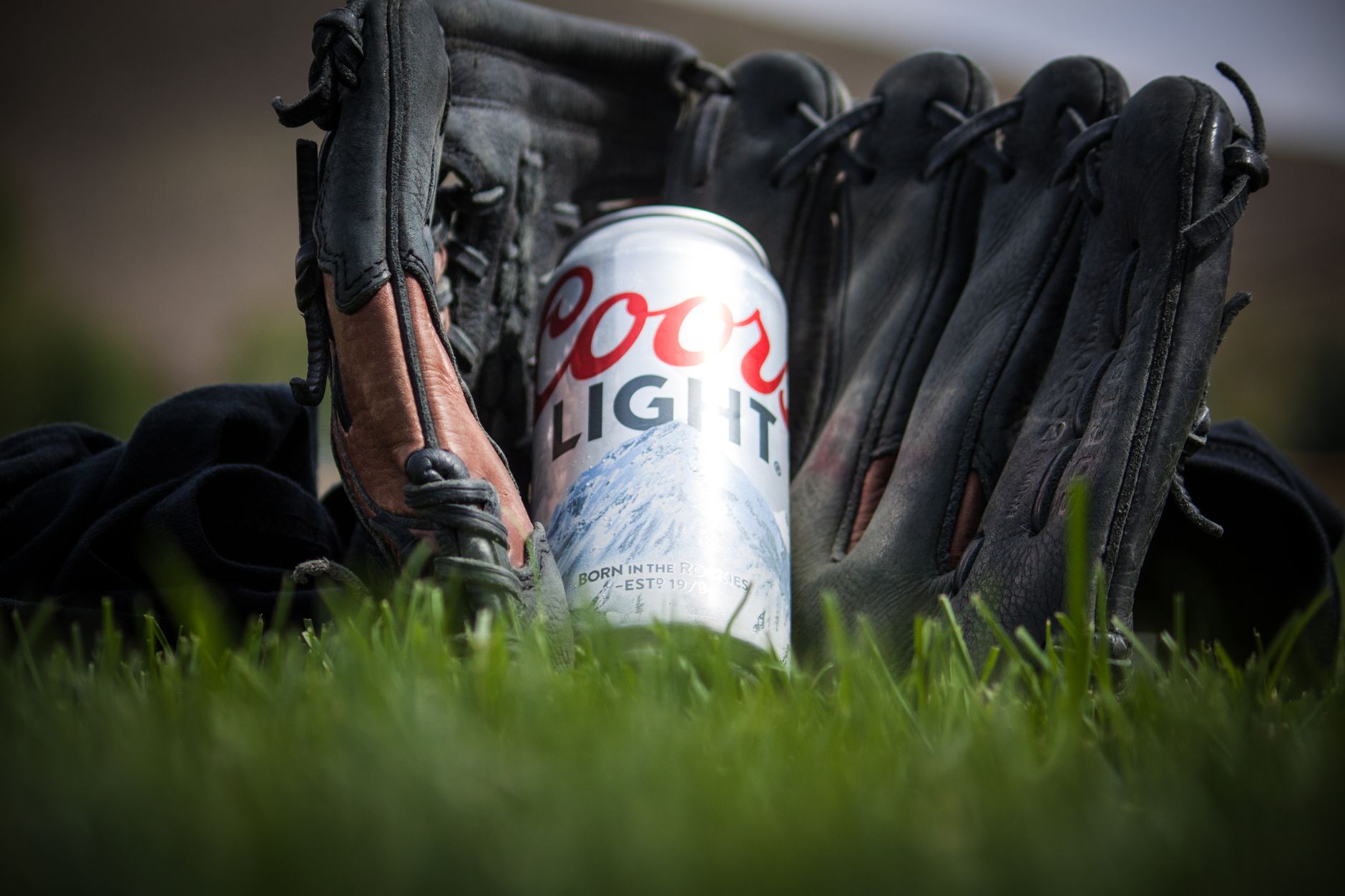
Coors Light is a popular American lager known for its refreshing taste and light profile. As beer enthusiasts and casual drinkers alike often seek to understand more about the beverages they consume, it’s essential to consider various factors, including alcohol content. This article provides an in-depth look at the alcohol by volume (ABV) of Coors Light, its characteristics, and how it fits into the broader landscape of light beers.
In this comprehensive guide, we will break down the alcohol content of Coors Light, explore the brewing process, and discuss what makes this beer a favorite among many. Whether you’re planning a casual gathering or simply curious about your favorite brew, having the right information about Coors Light will enhance your drinking experience.
What Is the Alcohol Content of Coors Light?
The alcohol content of Coors Light is 4.2% ABV (alcohol by volume). This places it within the category of light beers, making it a popular choice for those seeking a lower-alcohol option without sacrificing flavor. The relatively low ABV allows drinkers to enjoy several servings without becoming overly intoxicated, which can be appealing for social occasions.
Understanding Alcohol By Volume (ABV)
ABV is a standard measure used worldwide to quantify the amount of alcohol (ethanol) contained in an alcoholic beverage. It is expressed as a percentage of total volume. For instance, if a beverage has an ABV of 4.2%, this means that 4.2% of the total volume of the drink is pure alcohol.
Knowing the ABV is crucial when planning to enjoy alcoholic beverages responsibly, as it helps drinkers gauge consumption. Additionally, different beer styles typically range in ABV, providing an understanding of how strong a particular beer may be when compared to others.
Coors Light: A Closer Look
Coors Light is brewed by the Coors Brewing Company, which is part of Molson Coors Beverage Company. Originating in Golden, Colorado, Coors Light was first introduced in 1978 as a lighter alternative to traditional lagers. With a crisp, clean, and refreshing profile, it quickly gained popularity.
Ingredients and Brewing Process
The brewing of Coors Light involves a few key ingredients:
- Water: The primary ingredient, Coors Light uses high-quality water sourced from the Rocky Mountains.
- Malted Barley: This grain is a crucial fermentable component that contributes to the beer’s body and head.
- Rice: Coors Light contains rice as adjuncts, enhancing the lightness and crispness of the final product.
- Hops: Hops provide bitterness and aroma while balancing the sweetness of the malt.
- Yeast: Yeast is responsible for fermentation, converting sugars into alcohol and carbon dioxide.
The brewing process for Coors Light follows these steps:
- Mashing: Malted barley and rice are mixed with hot water to convert starches into sugars.
- Boiling: The mash is then boiled, and hops are added for flavor and bitterness.
- Fermentation: After boiling, the wort (unfermented beer) is cooled, and yeast is added to ferment the sugars into alcohol.
- Filtration and Carbonation: Following fermentation, the beer undergoes filtration to remove solids and is carbonated to achieve fizziness.
- Packaging: Finally, the beer is packaged in cans or bottles for distribution.
Flavor Profile and Characteristics
Coors Light is characterized by its light body and pale straw color. The beer has a crisp and refreshing taste with mild hop bitterness and a slightly sweet malt backbone. The addition of rice in the brewing process lightens the overall mouthfeel and contributes to its drinkability.
Comparing Coors Light to Other Light Beers
When evaluating Coors Light, it’s helpful to compare its alcohol content and flavor profile with other light beers in the market. Light beers typically have lower ABV, making them appealing to those who prefer lighter brews. Here are a few comparisons:
| Beer Brand | Alcohol Content (ABV) |
|---|---|
| Coors Light | 4.2% |
| Bud Light | 4.2% |
| Miller Lite | 4.2% |
| Corona Premier | 3.0% |
| Michelob Ultra | 2.8% |
As shown in the table, Coors Light shares the same ABV as both Bud Light and Miller Lite, yet it stands out with its unique flavor profile derived from its ingredients. Some light beers, like Michelob Ultra and Corona Premier, possess even lower ABVs, appealing to those prioritizing a lighter drinking experience.
Serving Suggestions and Pairings
Coors Light’s refreshing nature makes it incredibly versatile when it comes to food pairings. Its crisp flavor complements a variety of dishes, especially those enjoyed in casual settings. Here are some ideas for what to serve with Coors Light:
- Grilled Meats: Coors Light pairs well with grilled foods like burgers, hot dogs, and chicken, enhancing the flavors of charred meats.
- Seafood: Light and flaky seafood dishes, such as fish tacos or shrimp, complement the beer’s refreshing qualities.
- Pizza: Whether it’s a classic margherita or a pepperoni pie, Coors Light can cut through the richness of the cheese.
- Spicy Foods: A cold Coors Light can help balance the heat of spicy dishes, making it a great choice for spicy wings or Thai cuisine.
Common Drinking Questions About Coors Light
How Many Calories Are in Coors Light?
In addition to the alcohol content, many drinkers are interested in the caloric content of their beverages. A 12-ounce serving of Coors Light contains approximately 102 calories. This makes it a relatively low-calorie option in the realm of beers, which can often be calorie-dense.
Can Coors Light Be Used in Cooking?
Absolutely! Coors Light can add flavor to various recipes, particularly in marinades, batters, and stews. The beer’s light profile can help enhance flavors without overpowering other ingredients. For example, using Coors Light in a beer batter for fried fish or chicken can create a light and crispy crust.
Storage and Shelf Life
To maintain the quality of Coors Light, it’s important to store it properly. Beer should be kept in a cool, dark place, away from direct sunlight, which can negatively impact the flavor. Additionally, it’s advisable to store beer upright to minimize oxidation and contamination from the cap.
Properly stored, Coors Light can last for several months. However, for the best taste, it’s recommended to consume it fresh, ideally within six months of production.
Common Mistakes When Enjoying Coors Light
While enjoying Coors Light, here are some common mistakes to avoid:
- Serving Temperature: Serving Coors Light too warm can result in an off-putting taste. Beer is best enjoyed chilled, ideally around 38-42°F (3-6°C).
- Glassware: Using a proper beer glass can enhance the drinking experience. A standard pint glass or pilsner glass showcases its color and allows for better aroma.
- Mixing with Other Beverages: Mixing Coors Light with significantly stronger beers could overpower its subtle flavors. It’s best enjoyed on its own or with complementary flavors.
Conclusion
Coors Light, with its 4.2% ABV, offers a balanced and refreshing beer option for a variety of occasions. Its light body and crisp taste make it an excellent choice for warm weather, social gatherings, and food pairings. By understanding its alcohol content and characteristics, you can make informed decisions about serving and enjoying this popular lager.
Now that you know all about Coors Light, consider exploring the world of beer can chicken or trying your hand at a whiskey sour for your next gathering. The right beverage paired with good food can create memorable moments that are thoroughly enjoyable.