
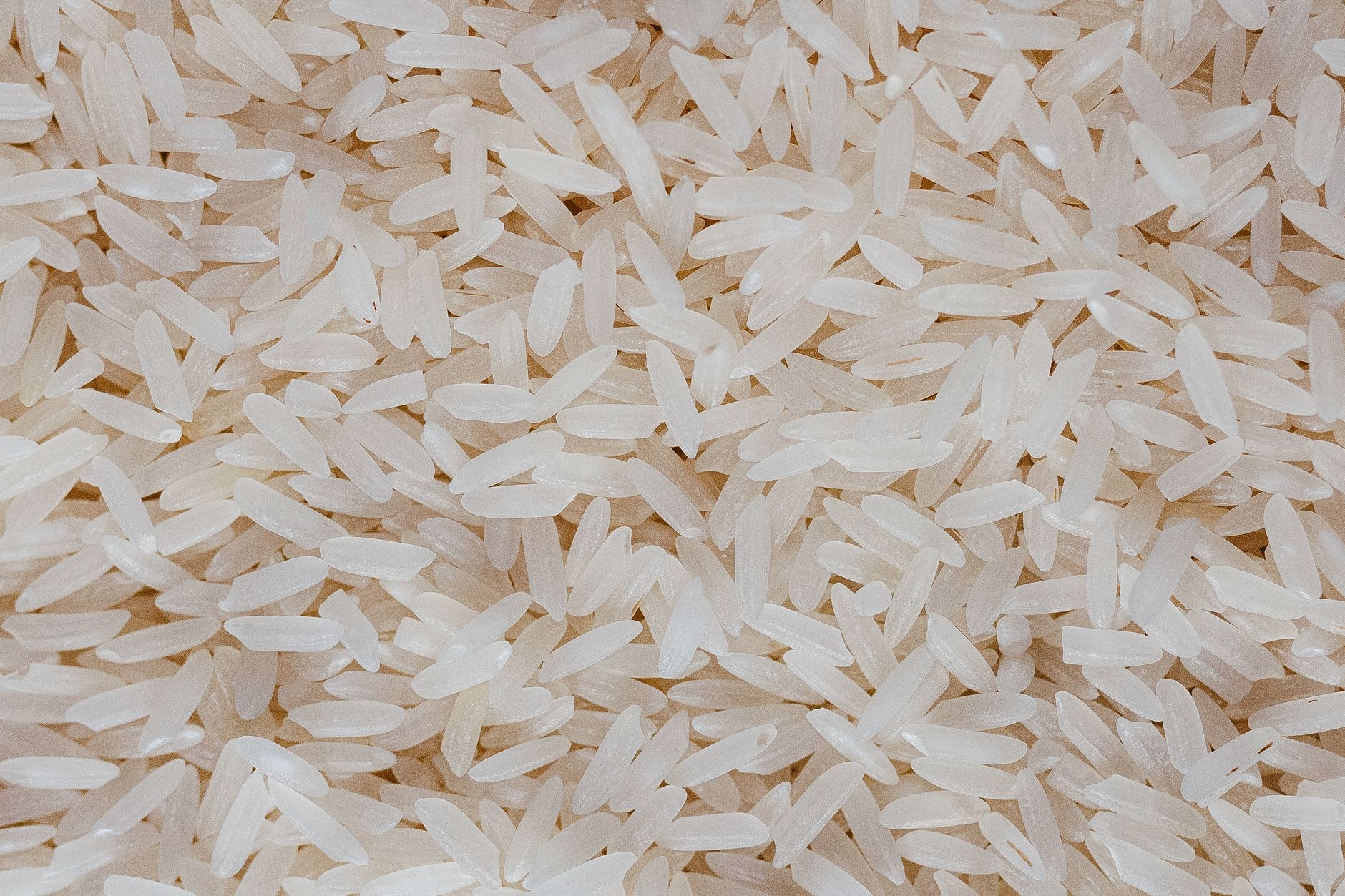
Texmati rice is a unique rice variety that combines the qualities of long-grain basmati and American white rice. It is known for its nutty flavor, fluffy texture, and distinct aroma. Often used in a variety of culinary applications, Texmati rice is a versatile ingredient that appeals to both casual cooks and culinary enthusiasts.
This rice, often marketed as a blend of traditional and contemporary, is perfect for various dishes, including stir-fries, pilafs, and salads. In the following sections, we will explore its ingredients, taste, culinary uses, and more to help you understand how to incorporate it into your cooking.
What Is Texmati Rice?
Texmati rice is a long-grain, aromatic variety of rice developed in the United States. It is a hybrid between the traditional basmati rice and various American rice types, which gives it its unique characteristics. Texmati rice is part of the family of aromatic rices, which includes other types such as jasmine rice.
This aromatic rice is primarily cultivated in Texas and is known for its versatility in adapting to different cuisines. With a light golden hue and a slightly nutty flavor profile, Texmati rice brings an exquisite touch to a wide range of dishes.
Ingredients of Texmati Rice
Texmati rice is primarily made up of the following components:
- Rice Grains: The main ingredient, Texmati rice is a long-grain aromatic rice.
- Water: Used during cooking to hydrate the grains.
- Additives: Some varieties may have additives like vitamins and minerals, depending on the brand.
It is essential to note that Texmati rice is often gluten-free, making it an excellent option for those with gluten intolerances or celiac disease.
Taste and Texture Profile
Texmati rice is celebrated for its subtle, nutty flavor that distinguishes it from other rice varieties. When cooked, the grains remain separate yet tender, providing a fluffy texture that makes it enjoyable to eat. The aroma released during cooking is reminiscent of basmati rice but is slightly milder. This makes Texmati a delightful option for both main dishes and sides.
Flavor Notes
The flavor of Texmati rice can be described as:
- Nuts: It has a mild nutty flavor that enhances the overall taste of dishes it accompanies.
- Earthy: The rice carries a slight earthy undertone, typical of aromatic rice varieties.
- Sweetness: A very subtle sweetness balances the nuttiness, making it versatile enough to pair well with savory and sweet dishes alike.
Texture Characteristics
When cooked, Texmati rice showcases:
- Fluffiness: The long grains remain separate, giving it an appealing fluffy texture.
- Softness: The grains have a tender bite without being mushy.
- Chewiness: There’s a slight chew that enhances its suitability for various culinary applications.
Culinary Uses of Texmati Rice
Texmati rice’s versatility opens the door to a multitude of culinary applications. It’s an excellent base or accompaniment for numerous dishes, making it a staple for many home cooks. Below are some common uses:
Main Dishes
Texmati rice can be the star of many main dishes. Here are a few examples:
- Stir-Fries: Use Texmati rice in stir-fries to absorb flavors from sauces and accompanying vegetables.
- Pilafs: The rice can be cooked with spices, nuts, and vegetables to create a fragrant and flavorful pilaf.
- Curries: Serve Texmati rice alongside various curries, as its fluffy texture complements sauces perfectly.
Sides and Salads
Texmati rice also shines as a side dish or in salads:
- As a Side Dish: Simply cooked Texmati rice pairs well with grilled meats or roasted vegetables.
- In Cold Salads: Combine cooked and cooled Texmati rice with fresh vegetables, herbs, and a light dressing for a refreshing salad.
Soups and Stuffed Dishes
Here are a couple more ideas showcasing Texmati rice:
- Soup Add-In: Add cooked Texmati rice to soups to enhance texture and make them heartier.
- Stuffed Peppers: Use Texmati rice as a filling for stuffed peppers mixed with spices, vegetables, and proteins.
How to Cook Texmati Rice
Cooking Texmati rice is straightforward and requires just a few steps. Here’s a simple method:
Ingredients Needed
- 1 cup of Texmati rice
- 2 cups of water or broth
- Salt (optional)
Essential Equipment
- A medium-sized saucepan with a lid
- A measuring cup
- A fork for fluffing the rice
Cooking Instructions
- Rinse the Rice: Rinse the Texmati rice under cold water until the water runs clear to remove excess starch.
- Combine Ingredients: In a medium saucepan, add the rinsed rice and water (or broth). If desired, add a pinch of salt for flavor.
- Bring to a Boil: Over high heat, bring the mixture to a rapid boil.
- Simmer: Once boiling, stir the rice briefly, then reduce the heat to low and cover the pot with a lid.
- Cook: Allow the rice to cook for about 15-20 minutes, or until all the liquid is absorbed.
- Rest: Turn off the heat and let the rice sit, covered, for an additional 5 minutes to steam.
- Fluff and Serve: Remove the lid and fluff the rice with a fork. Serve warm as a base for your favorite dishes.
Common Mistakes When Cooking Texmati Rice
Even though cooking Texmati rice is quite simple, some common mistakes can affect the final result:
- Not Rinsing: Failing to rinse the rice can result in clumpy or gummy texture due to excess starch.
- Incorrect Water Ratio: Using too much or too little water can affect the rice’s doneness; generally, a 1:2 rice-to-water ratio works well.
- Overcooking: Cooking the rice for too long can lead to mushiness. Stick to recommended cooking times.
Storage and Reheating
If you have leftover Texmati rice, proper storage methods will help maintain its quality:
Storage Instructions
- Refrigeration: Store cooled, cooked Texmati rice in an airtight container in the refrigerator for up to 4-5 days.
- Freezing: For longer storage, freeze cooked Texmati rice in portioned, airtight bags for up to 6 months.
Reheating Instructions
When reheating Texmati rice, consider the following:
- Microwave: Add a splash of water to the rice in a microwave-safe container. Cover loosely and heat for 1-2 minutes, stirring halfway through.
- Stovetop: In a saucepan, add some water and the rice, then heat over medium-low, stirring occasionally until warmed through.
Substitutions and Variations
Texmati rice can serve as an excellent substitute for various rice types, allowing for creative culinary exploration. Here are a few practical alternatives:
Rice Substitutes
- Basmati Rice: This is the closest alternative, sharing a similar texture and aromatic qualities.
- Jasmine Rice: While slightly stickier, jasmine rice offers a fragrant alternative for Asian dishes.
- Long Grain White Rice: While it may lack the aromatic quality, standard long-grain white rice can be used in many recipes calling for Texmati rice.
Flavor Variations
To add different flavor profiles to Texmati rice, consider the following:
- Broth Instead of Water: Cooking rice in vegetable, chicken, or beef broth enhances its flavor.
- Herbs and Spices: Introduce herbs such as parsley or cilantro, or spices like cumin or turmeric, for added dimension.
- Cook with Aromatics: Sauté onions and garlic in oil before adding rice and water to enhance the overall flavor.
Conclusion
Texmati rice offers a delightful and versatile option for those looking to explore aromatic rice varieties. Its unique taste and texture make it suitable for countless dishes, from main courses to side dishes and salads. By understanding its characteristics and how to cook with it, you can easily incorporate Texmati rice into your meals.
Consider using Texmati rice for your next dish! Explore related recipes, tips on gluten-free options, or try your hand at Puerto Rican rice for a new culinary experience.