
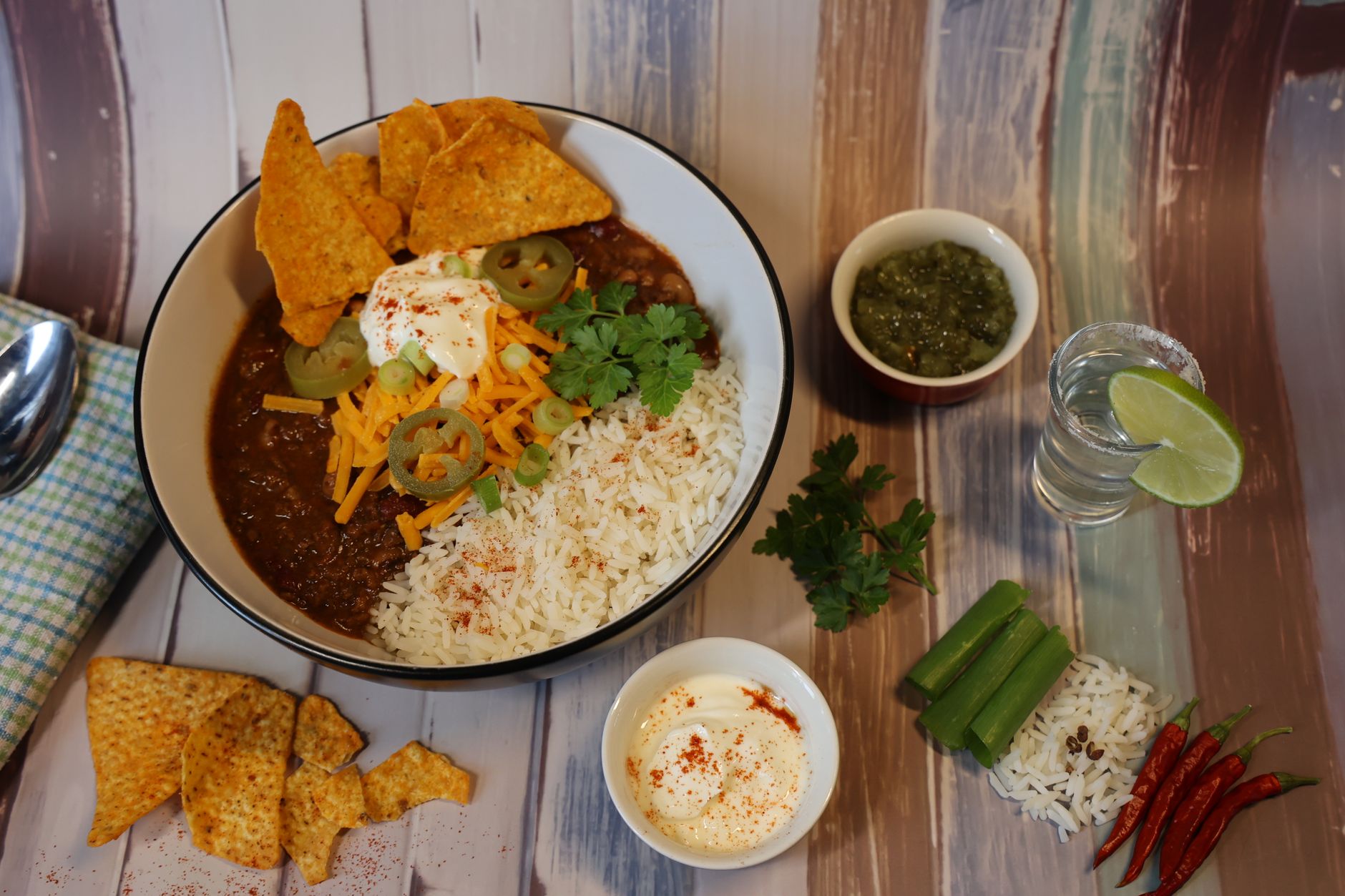
Texas Chili, often simply referred to as “chili,” is a robust and hearty dish known for its rich flavors and unique ingredients. Unlike other chili variations, Texas Chili is characterized by its lack of beans and focus on meat, particularly beef. This dish embodies the spirit of Texan cuisine, emphasizing bold flavors and home cooking.
Understanding the ingredients, flavor profile, and serving suggestions of Texas Chili is essential not only for cooking enthusiasts but also for anyone looking to explore this regional delicacy. This article will delve into what Texas Chili consists of, how to prepare it, and the best ways to serve it.
What Is Texas Chili?
Texas Chili is a traditional Texan stew made primarily of meat, chili peppers, and various seasonings. Unlike many other chili recipes that include beans, macaroni, or other filler ingredients, authentic Texas Chili focuses on the meat and the heat from chili peppers. The resulting dish is thick, rich, and deeply flavorful, making it a beloved staple in Texas and beyond.
The flavor profile of Texas Chili is complex, with a balance of spice from the peppers and hearty richness from the meat. It is designed to be robust and satisfying, often warming the soul on a chilly evening.
Ingredients of Texas Chili
The key to understanding Texas Chili lies in its ingredient list. Here is a breakdown of the essential components:
- Meat: The primary ingredient is usually beef, particularly chuck roast, which is cut into small chunks. Some recipes may also use brisket or a combination of meats.
- Chili Peppers: The heart of the dish comes from various dried chili peppers such as ancho, guajillo, or pasilla. These provide the characteristic heat and depth of flavor.
- Onion: Diced yellow or white onions add sweetness and aromatic qualities to the chili.
- Garlic: Minced garlic offers a pungent flavor base that complements the other ingredients.
- Tomatoes: Many recipes include diced tomatoes or tomato paste for added richness and acidity.
- Spices: Common spices include cumin, oregano, and sometimes a hint of cinnamon or cocoa powder for depth.
- Salt and Pepper: To enhance all the flavors, seasoning is crucial.
Understanding the Variations
While following the traditional Texas Chili recipe may be the preferred choice for authenticity, variations exist that can enhance or alter the flavor and texture without straying too far from the original. Some of these variations include:
- Different Cuts of Meat: Experimenting with different cuts such as ground beef or pork can create a unique texture and flavor.
- Adding Beans: Although not traditional, some people incorporate beans for added texture and protein.
- Vegetables: Some cooks may add bell peppers or corn for additional sweetness and color.
- Heat Levels: Adjusting the types and quantities of chili peppers allows for customization of the heat level of the dish.
Flavor and Texture Profile
Texas Chili is known for its intense, rich flavors. The absence of beans creates a focus on the meat’s savory goodness and the complex flavor of chili peppers. The spices used add warmth and an earthy quality, while the onions and garlic provide sweetness and depth.
The texture is thick and hearty, often described as a stew-like consistency. The meat is usually tender and flavorful, while the sauce is deeply colored, showcasing the hues of the various chili peppers used in the preparation.
How to Serve Texas Chili
Texas Chili can be served in various ways, making it a versatile meal option. Here are some classic ways to present this dish:
- With Cornbread: A slice of warm cornbread pairs beautifully with Texas Chili, providing a slightly sweet contrast to the spicy stew.
- Over Rice: Serving chili over a bed of rice adds a hearty element and can absorb the flavorful sauce.
- With Fritos or Tortilla Chips: For a fun take, serve chili with a sprinkle of corn chips on top for added crunch and flavor.
- On a Bun: Texas Chili can be dressed up in a bun, similar to a chili dog, for a hearty sandwich option.
Garnishes and Toppings
Adding garnishes can enhance the overall experience of Texas Chili. Here are popular toppings to consider:
- Cheddar cheese (shredded)
- Sour cream
- Chopped green onions
- Fresh cilantro or parsley
- Sliced jalapeños for added heat
Preparing Texas Chili: A Step-by-Step Guide
Making Texas Chili is a straightforward process that rewards patience and attention to detail. Below is a simple method for preparing Texas Chili from scratch:
Essential Equipment
- Large Dutch oven or heavy pot
- Cutting board and sharp knife
- Wooden spoon or spatula
- Measuring cups and spoons
- Soup ladle for serving
Ingredients
| Ingredient | Quantity |
|---|---|
| Beef chuck (cut into chunks) | 2 pounds |
| Dried chili peppers (ancho, guajillo, pasilla) | 5-6 peppers |
| Yellow onion (diced) | 1 large |
| Garlic (minced) | 4 cloves |
| Diced tomatoes (canned) | 14.5 ounces |
| Cumin | 1 tablespoon |
| Oregano | 1 teaspoon |
| Salt | to taste |
| Pepper | to taste |
Method
- Prepare the Chili Peppers: Toast the dried chili peppers in a dry skillet over medium heat for a few minutes until fragrant. Remove them from the heat, let cool, and then remove the stems and seeds.
- Blend Chilis: Place the toasted peppers in a blender with a cup of water and blend until smooth to create a chili paste.
- Brown the Meat: In a large Dutch oven, heat a bit of oil over medium-high heat. Add the beef chunks and brown them on all sides. You may need to work in batches to avoid overcrowding the pot.
- Add Onion and Garlic: Once browned, add the diced onions and cook until they begin to soften. Then, add the garlic and cook for an additional 1-2 minutes.
- Combine Ingredients: Stir in the blended chili paste, diced tomatoes, cumin, oregano, salt, and pepper. Mix well until all ingredients are combined.
- Simmer: Bring the mixture to a boil, then reduce the heat to low. Cover and let simmer for about 1.5 to 2 hours, stirring occasionally until the meat is tender and the flavors have melded.
- Adjust Seasoning: Taste the chili and adjust seasonings as necessary, adding more salt, pepper, or chili powder based on your preferences.
- Serve: Ladle the chili into bowls and serve with your choice of garnishes.
Common Mistakes and Troubleshooting
Successful Texas Chili hinges on the cooking process and ingredient choices. Here are common mistakes and how to avoid them:
- Overcooking Vegetables: Avoid browning or cooking the onions and garlic for too long. They should soften without becoming burnt.
- Using Incorrect Meat Cuts: Avoid lean cuts of meat which can dry out. Stick with chuck roast or similar cuts; fat adds flavor.
- Insufficient Spice: Don’t be afraid to taste and adjust spice levels during cooking. Ultimately, the flavors should be bold and vibrant.
Make-Ahead Tips
Texas Chili is an excellent candidate for make-ahead meals, as its flavors deepen over time. Here are practical tips:
- Prepare Ahead: Chili can be made a day in advance. Simply allow it to cool and store it in an airtight container in the refrigerator overnight.
- Freezing: Texas Chili freezes well. Make a larger batch and portion it in freezer-safe containers for later use. Thaw in the refrigerator before reheating.
- Reheating: Reheat on the stovetop or in the microwave until heated through, adding a splash of liquid if it thickens too much.
Exploring Regional Variations
As states and regions have their take on chili, many variations exist. Whether it’s Cincinnati chili, which often includes cinnamon and chocolate, or southwestern versions that incorporate additional vegetables, each is unique. Texas Chili holds its ground as an iconic representation of Texan culinary tradition, captivating chili enthusiasts with its robust flavors throughout the United States and beyond.
For those looking to taste different styles, consider trying recipes such as Meat Church Chili Recipe or Cowboy Chili Recipe for a twist on the classic.
Texas Chili serves as a beautiful demonstration of the region’s heart and culture, encouraging communal dining and rich flavors. Get comfortable with the ingredients and method, and you’ll discover just how rewarding and satisfying this dish can be.