
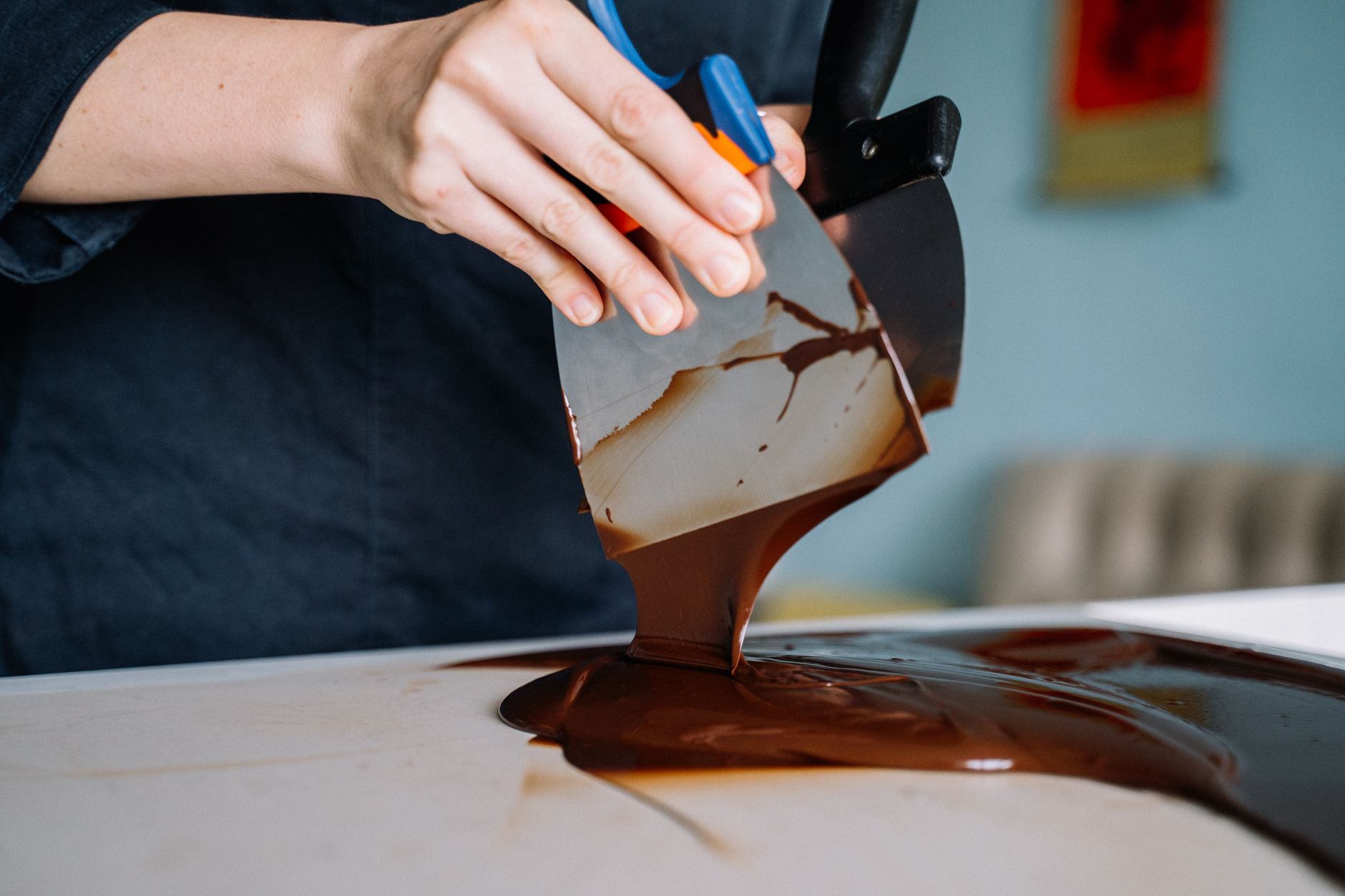
Tempering is an essential cooking technique used to control the thickness and texture of dishes, ensuring even mixing and avoiding undesirable curdling or separation. This method is commonly employed in various culinary applications, most notably in emulsifying sauces, preparing custards, and incorporating chocolate into recipes.
This guide will explore the nuances of tempering, including its purpose, the techniques involved, and practical tips for achieving the desired results in your culinary creations.
What Is Tempering in Cooking?
Tempering in cooking refers to the process of gradually warming an ingredient, typically eggs or chocolate, to bring it to a desired temperature without cooking it too quickly. This technique allows for a smooth and creamy consistency in dishes, preventing curdling or seizing.
Tempering eggs into a hot liquid, like in custards or sauces, helps ensure that the eggs don’t scramble. When melting chocolate, tempering helps maintain a smooth texture and glossy finish. By mastering this technique, you can elevate your cooking skills and enhance your dish presentations.
Why Use Tempering?
The primary purpose of tempering is to achieve the right consistency and texture in your cooking. Here are some specific reasons why it is essential:
- Avoid Curdling: Tempering helps in gently cooking eggs without scrambling them, such as in custards or certain sauces.
- Smooth Integration: It allows for even mixing of ingredients, especially when combining cold and hot items.
- Optimal Chocolate Texture: Tempered chocolate has a glossy finish and a satisfying snap when cooled, making it ideal for confections.
- Better Emulsification: For sauces like hollandaise, tempering aids in creating a stable emulsion.
How to Temper Ingredients
Tempering can be applied to various ingredients, with specific techniques tailored to each. Here’s a closer look at common tempering methods for eggs and chocolate.
Tempering Eggs
Tempering eggs is crucial in custards, sauces, and soups. Here’s how to do it properly:
- Prepare the Base: Start with a hot liquid, such as a milk or stock for making a custard or sauce.
- Whisk the Eggs: In a separate bowl, whisk the eggs until they are well combined. This helps break down the proteins for more even cooking.
- Gradually Add the Hot Liquid: Slowly pour a small amount of the hot liquid into the egg mixture while whisking constantly. This process gradually raises the temperature of the eggs.
- Continue the Process: Repeat adding the hot liquid in small amounts until the egg mixture is warm. This usually takes about 3–4 additions, depending on the recipe.
- Combine the Mixtures: Once tempered, pour the egg mixture back into the hot liquid, stirring continuously to combine.
By following this step-by-step guide, you can create smooth and creamy sauces or custards without the risk of scrambled eggs.
Tempering Chocolate
Tempering chocolate is essential for achieving that perfect shine and snap in confections. Follow these steps to temper chocolate:
- Chop the Chocolate: Use a sharp knife to chop the chocolate into small, uniform pieces to ensure even melting.
- Melt Two-Thirds: Add approximately two-thirds of the chocolate to a heatproof bowl set over simmering water or in a microwave. Heat gently, stirring frequently, until fully melted and reaches about 115°F to 120°F (46°C to 49°C). Remove from heat once melted.
- Add the Remaining Chocolate: Stir in the remaining one-third of the chopped chocolate. This helps to cool the melted chocolate while also introducing stable cocoa butter crystals.
- Monitor Temperature: Keep an eye on the temperature, aiming for an ideal range of 88°F to 90°F (31°C to 32°C) for dark chocolate. Milk and white chocolate should be tempered at slightly lower temperatures.
- Test for Temper: To check if the chocolate is tempered, dip a piece of parchment or a spoon into the chocolate; it should set quickly and have a glossy finish when cooled.
Tempered chocolate can be molded, drizzled, or used for coating confections, giving pastries and candies a professional touch.
Common Mistakes and Troubleshooting
While tempering is a straightforward technique, common mistakes can lead to undesired results. Here are some frequent pitfalls and how to avoid them:
For Eggs
- Too Hot Too Fast: If you add the hot liquid too quickly, the eggs will cook instead of tempering. Always add the liquid gradually while whisking.
- Not Enough Whisking: Not whisking continuously can result in clumps. Ensure constant motion during the process.
For Chocolate
- Overheating: Tempered chocolate should never exceed 120°F (49°C). Overheating can cause it to seize. Use a thermometer for accuracy.
- Not Using Fresh Chocolate: Older chocolate or chocolate chips may not temper properly, so always use good-quality chocolate.
Timing and Serving Tips
The timing of your tempering process can significantly impact your cooking results. Here are some essential tips:
- Immediate Use: Use tempered eggs or chocolate immediately after preparation. This ensures smooth integration and prevents changes in texture.
- Cool Gradually: For melted tempered chocolate, allow it to cool in a controlled environment to maintain its structural integrity.
- Serving Temperature: Serve custard-based dishes warm, while chocolates should remain at room temperature for the best texture.
Practical Substitutions
If you find yourself without certain ingredients, there are several substitutions you can consider, particularly with eggs and chocolate:
Substitutes for Eggs in Tempering
- Silken Tofu: Blended to a similar consistency, silken tofu can replace eggs in some custard recipes. Use about 1/4 cup per egg.
- Flaxseed Meal: Mix 1 tablespoon of flaxseed meal with 2.5 tablespoons of water. Let sit for a few minutes until it thickens to mimic an egg’s texture.
Substitutes for Chocolate
- Cacao Butter: While not a direct substitute, it can be blended with cocoa powder and sweetener to create a chocolate-like effect.
- Carob: Carob powder can apply as a chocolate substitute for those with sensitivities, though it has a distinct flavor.
Storage and Reheating Tips
Proper storage is crucial for ingredients that have been tempered. Here are some tips:
For Tempered Eggs
- Store any unused custard or sauces in an airtight container in the refrigerator for up to 2 days.
- Reheat gently over low heat, stirring continuously to prevent scrambling.
For Tempered Chocolate
- Once cooled, tempered chocolate should be stored in a cool, dry place in an airtight container to maintain its texture.
- To remelt, do so gently using a double boiler or microwave at low power, stirring frequently.
Final Thoughts
Understanding tempering is crucial in achieving the desired consistency and texture in your culinary creations. Whether it’s preventing egg curdling in a rich custard or achieving that perfect glossy finish on chocolate, mastering this technique can elevate your cooking skills. Remember, patience and practice are key to refining your tempering skills.
To further explore the world of cooking, check out our delicious chia pudding recipe for a different way to enjoy creamy desserts or try making some light and airy french meringue that can complement various dishes.