
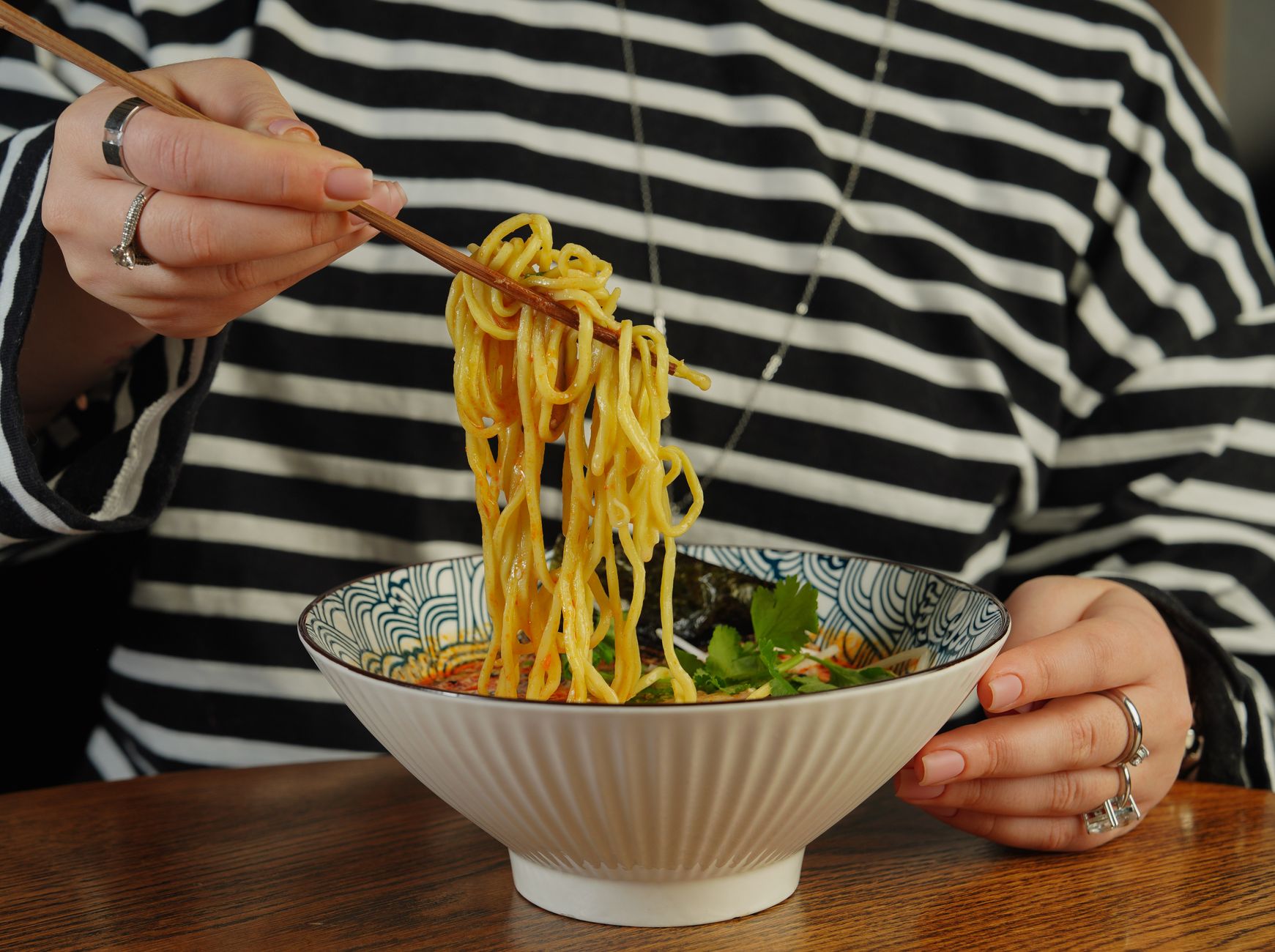
Tantanmen is a flavorful, comforting Japanese noodle dish inspired by the Chinese dandan noodles. It features a rich and savory broth, typically made with a blend of spicy sesame paste, ground meat, and fragrant spices, accompanied by chewy noodles and fresh toppings. This dish is beloved for its unique heat and nutty flavor, making it a popular choice for many ramen enthusiasts.
In this article, we will delve into the essential ingredients, the flavor profile you can expect, and how to serve your own version of tantanmen at home, creating an experience that is sure to impress family and friends.
What Is Tantanmen?
Tantanmen is a bowl of hearty noodles served in a spicy, nutty broth. The dish presents a delightful combination of flavors, with a robust and creamy texture that is both comforting and satisfying. Traditionally, it features ground pork or chicken, but variations exist to cater to different dietary preferences.
The origins of tantanmen date back to the Sichuan province of China, where dandan noodles are often prepared. However, Japanese chefs have embraced this dish and adapted it, resulting in the distinctly flavored tantanmen we know today. This fusion of cultures has led to a beloved dish that you can recreate in your own kitchen with the right technique and ingredients.
Understanding the Ingredients
The key to making a delicious bowl of tantanmen lies in understanding its key ingredients. Here’s what you will typically need:
- Noodles: Choose a high-quality ramen noodle or udon noodle for the best texture. Fresh noodles tend to absorb the flavors better and provide a satisfying chewiness.
- Ground Meat: Traditionally, pork is used for its flavor and fat content, which adds richness. However, ground chicken or turkey can also be suitable alternatives for a leaner option.
- Sesame Paste (Tahini): This adds nutty richness and creaminess to the broth. Look for smooth sesame paste for even incorporation.
- Chili Oil or Paste: The spice level can be adjusted by varying the amount of chili oil or paste. This is essential for capturing that signature heat of tantanmen.
- Soy Sauce: Adds saltiness and umami depth to the broth. A good quality soy sauce can elevate the overall flavor profile.
- Stock or Broth: It is crucial for creating a deliciously rich base. Pork stock or chicken stock can be used, preferably homemade or good-quality store-bought.
- Vegetables: Common toppings include chopped green onions, wilted bok choy, and bean sprouts for freshness and texture.
- Nori (Seaweed): This can be added as a garnish for a touch of umami and crunch.
- Soft-Boiled Egg: A half-cooked egg adds creaminess and richness and enhances the presentation of the dish.
Flavor Profile of Tantanmen
Tantanmen is renowned for its complex flavor profile that balances heat, nutty richness, and umami. Here’s what you can expect:
- Heat: The level of spice can vary greatly depending on the type and quantity of chili oil or paste you use. It provides a warming sensation without overwhelming the palate.
- Nutty: The sesame paste brings a pronounced nutty flavor that is creamy and smooth, enhancing the dish’s richness.
- Umami: The combination of meat, soy sauce, and broth creates layers of savory notes that make each bite incredibly satisfying.
- Freshness: The addition of vegetables and herbs provides a refreshing contrast, balancing the richer elements of the dish.
How to Serve Tantanmen
Preparation and presentation play a crucial role in serving tantanmen. Here’s how to create an enticing bowl of noodles:
Preparation Steps
- Prepare the Broth:
- Begin by heating a saucepan over medium heat and adding a splash of oil.
- Add the ground meat and whisk, breaking it up until it is thoroughly cooked and slightly caramelized.
- Stir in sesame paste, chili oil, and soy sauce, continuing to stir to combine.
- Add broth gradually, mixing well to incorporate all the flavors. Let it simmer gently while you prepare the noodles.
- Cook the Noodles:
- Boil a large pot of water. Add your choice of noodles and cook according to package instructions until al dente.
- Once cooked, drain the noodles and rinse under cold water to stop the cooking process and remove excess starch.
- Prepare Optional Toppings:
- While the broth simmers, prepare toppings like soft-boiled eggs, chopped green onions, and any other vegetables you prefer.
- For soft-boiled eggs, simmer in hot water for about six to seven minutes, then plunge into ice water to cool before peeling and slicing in half.
- Assemble the Dish:
- Place a serving of cooked noodles at the bottom of each bowl.
- Ladle the hot tantanmen broth over the noodles, ensuring a good amount of ground meat is included.
- Top with sliced soft-boiled eggs, green onions, and any other toppings you desire.
- Finally, drizzle with extra chili oil or sesame oil to your liking.
Common Mistakes to Avoid
When preparing tantanmen, be mindful of these common pitfalls:
- Overcooking the Noodles: Make sure to follow the cooking instructions on the noodle packaging. Undercook slightly as the noodles will continue to cook when soaking in the hot broth.
- Neglecting Flavor Balancing: Adjust the proportions of salt, sweetness, and spice thoughtfully. Taste the broth before serving and make necessary adjustments to your preferred flavor.
- Using Low-Quality Ingredients: High-quality meat, broth, and condiments significantly impact the final taste. Don’t skimp here – they are the backbone of the dish.
Variations and Substitutions
Your tantanmen can easily be adapted to suit dietary preferences or ingredient availability. Here are some variations and substitutions to consider:
- Meat Substitutes: Ground beef, turkey, or even plant-based ground meat can replace pork. For a vegetarian version, consider using mushrooms or tofu as the protein source.
- Broth Choices: Swap pork broth with vegetable broth for a vegetarian option. For extra richness, consider adding miso to the broth.
- Spice Level: Adjust the level of chili oil/paste to suit your heat preference. You can also use milder chili variants for a less spicy dish.
- Veggies: Add or substitute any seasonal vegetables, like spinach, carrots, or bell peppers, for added nutrients and flavor.
Make-Ahead Guidance
Tantanmen can be partially prepared in advance, making it easier to serve on busy nights or for meal prepping:
- Prepare the broth and store it in an airtight container in the refrigerator for up to three days.
- Cook the meat and keep it separate, as it can also be stored in the fridge for up to three days.
- Fresh noodles are best cooked just before serving to maintain their texture, but they can be kept in the refrigerator for a day or two.
Storage and Reheating Tips
To ensure optimal quality and safety, follow these storage and reheating guidelines:
- Store in Airtight Containers: Keep leftover tantanmen components – broth, noodles, and toppings – in separate containers.
- Refrigeration: Consume within three days of preparation. If you have frozen components, they can last up to three months in the freezer.
- Reheating: Warm the broth on the stove until steaming. Reheat noodles in boiling water for a couple of minutes, just until hot, and then combine with the broth and toppings.
Serving Suggestions
Tantanmen is rich and filling, but pairing it with simple sides can enhance the meal experience:
- Pickled Vegetables: A small serving of pickled veggies adds a nice contrast to the rich soup.
- Salad: A fresh salad with a light dressing can serve as a refreshing counterpart.
- Rice: Serve alongside a small bowl of steamed rice for an even more filling meal.
Conclusion
Tantanmen is a delicious and versatile dish that brings together rich flavors and comforting textures in a delightful bowl of noodles. With its roots in Chinese dandan noodles, the Japanese version maintains the essential elements of spiciness and nuttiness. With the knowledge of essential ingredients, preparation methods, and tips, you can craft a satisfying bowl of tantanmen at home that will delight your taste buds.
Try your hand at making tantanmen, and explore related recipes such as a creamy ramen recipe or buldak ramen. Each of these dishes brings unique flavors and experiences to your culinary repertoire.