
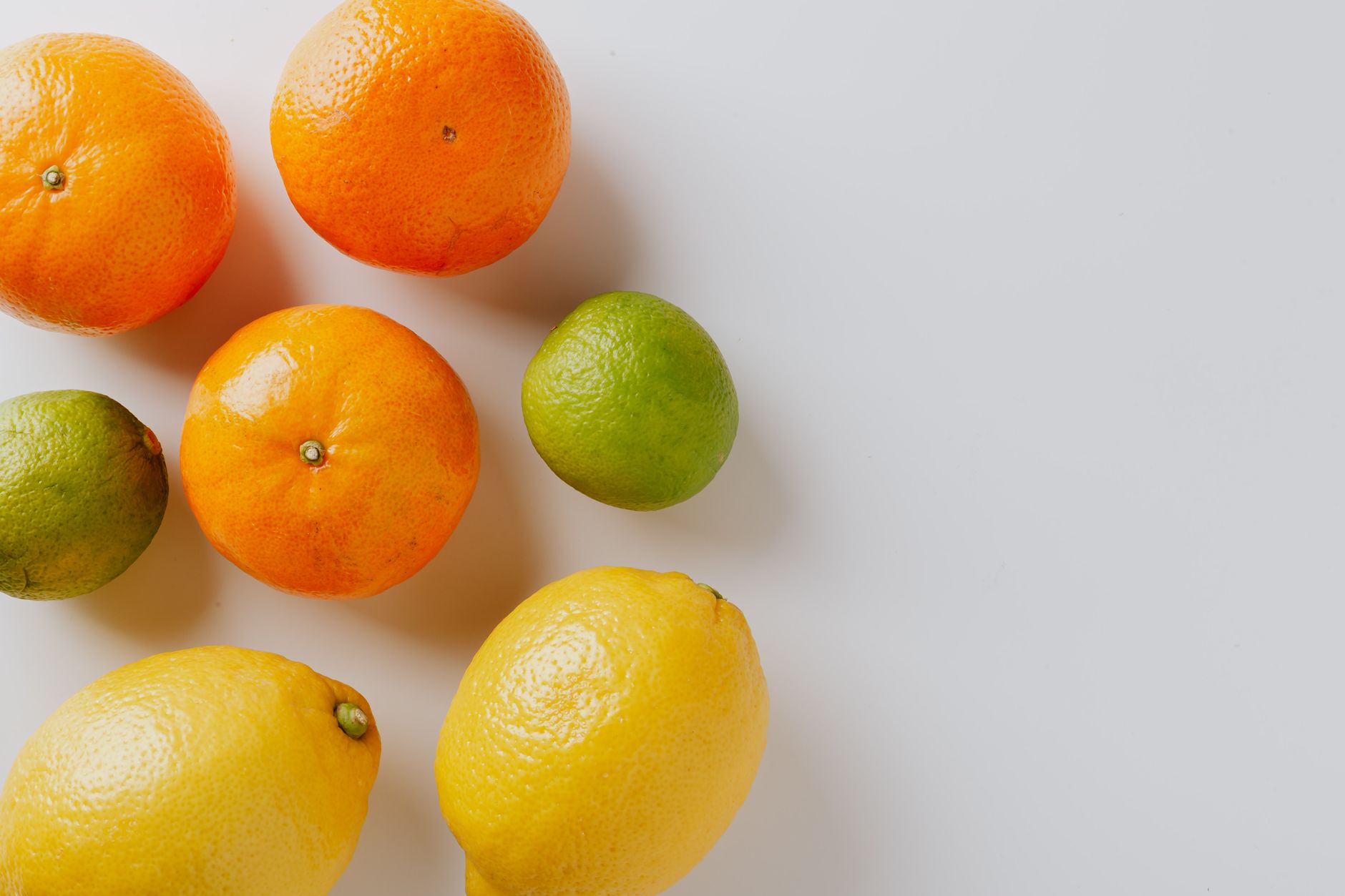
Tang is a bright orange powdered drink mix that is well-known for its refreshing citrus flavor. Originally introduced by General Foods in the 1950s, Tang gained massive popularity, particularly as a convenient way to make fruit-flavored drinks during the space race. Today, it remains a nostalgic staple in many households and serves as a versatile ingredient beyond just beverages.
This article will explore Tang in detail, from its ingredients and flavor profile to various ways to serve it. Whether you are looking for a quick drink option or creative culinary uses for Tang, this guide will provide practical insight.
What Is Tang?
Tang is a powdered drink mix that resembles the flavor of orange juice, though it is distinctly sweeter and tangy. The product gained fame partly due to its association with astronauts and space missions, being used as a convenient alternative to freshly squeezed juice. Tang is not just a drink; it has found numerous applications in cooking and baking, from marinades to desserts.
Ingredients in Tang
The main components of Tang are designed to impart flavor, sweetness, and vibrant color. Here’s a closer look at its ingredients:
- Citric Acid: This ingredient provides the signature tangy taste characteristic of citrus fruits.
- Ascorbic Acid: Often used as a vitamin C source, it also works as a preservative.
- Sugar: The primary sweetener that balances the tartness of citric acid.
- Natural and Artificial Flavors: These give Tang its distinctive orange flavor profile.
- Color Additives: Commonly, food dyes such as Yellow 6 are used to achieve the bright orange hue.
- Malic Acid: This is sometimes included to enhance the sourness of the drink.
Flavor Profile of Tang
The flavor of Tang can be best described as sweet and tangy, closely resembling orange but with a more pronounced sweetness. The citric acid contributes a sour element, creating a refreshing taste ideal for warm weather or post-exercise hydration. For those who enjoy citrusy flavors, Tang offers an invigorating palate experience.
How to Serve Tang
Tang is most commonly mixed with water to create a refreshing drink, but its uses extend beyond beverages. Below are some tips on how to prepare and serve Tang:
Preparation of Tang Drink
- Measure Tang Powder: The standard serving size is approximately 2 tablespoons of Tang per 8 ounces of cold water. Adjust to taste.
- Add Water: Pour the measured water into a glass or pitcher.
- Mix Thoroughly: Stir well until the powder is completely dissolved. For best results, use cold water for a refreshing beverage.
- Chill (Optional): For a colder drink, refrigerate or add ice before serving.
Creative Serving Ideas
Tang can be used in various forms, yielding exciting flavors in multiple dishes. Here are some ideas:
- Tang Smoothies: Blend Tang with yogurt, ice, and fruit such as bananas or mangoes for a quick, refreshing smoothie.
- Marinades: Use Tang to add a citrusy, sweet flavor to chicken or fish marinades. Combine 1 tablespoon of Tang with olive oil, soy sauce, and garlic for a tasty marinade.
- Baking: Add Tang powder to recipes for muffins or pancakes for a citrus flavor boost. One tablespoon can enhance the batter while imparting a nice orange color.
- Sherbet or Sorbet: Mix Tang with fruit puree and sugar, then freeze for a homemade frozen treat.
- Jell-O or Gelatin Desserts: Mixing Tang powder into flavored gelatin can introduce a zesty twist to traditional gelatin dishes.
Benefits and Considerations
While Tang offers convenience and flavor, it is essential to consider some factors:
- Nutrition: Tang is high in sugar and should be consumed in moderation, especially for those monitoring their sugar intake.
- Artificial Additives: Some may want to avoid artificial flavors and colorings present in Tang. If opting for natural products is a priority, consider alternatives.
Common Mistakes When Using Tang
Even though Tang is relatively simple to use, here are some common pitfalls to avoid:
- Poor Mixing: Ensure that the powder is fully dissolved in water or other liquids to avoid grainy textures in your drinks.
- Incorrect Ratios: Using too much Tang can result in an overly sweet or overpowering flavor. Stick to recommended serving sizes.
- Neglecting Temperature: Many enjoy Tang mixed with cold water, but hot water can be equally refreshing. Experiment to find your preferred temperature.
Storing Tang
To maintain the quality and flavor of Tang, proper storage is crucial. Here are some guidelines:
- Keep it Dry: Store Tang in a cool, dry place, away from moisture. A sealed airtight container is often best.
- Avoid Heat and Sunlight: Exposure to heat and direct sunlight can degrade the flavor over time.
Ingredient Substitutions for Tang
If you do not have Tang or prefer a more natural alternative, there are several substitutes:
- Fruit Juice Concentrates: For a more natural flavor, orange juice concentrate can be used. However, it will alter the sweetness and consistency.
- Homemade Citrus Powder: Dehydrated citrus zest mixed with sugar can mimic the flavor of Tang, but it will lack the exact taste.
- Other Drink Mixes: Similar flavored drink mixes like lemonade can be used, but the flavor profile will differ.
Conclusion
Tang is more than just a nostalgic drink; it continues to be a versatile ingredient in many kitchens. Whether mixed into beverages, used as a marinade, or added to baked goods, its bright flavor can enhance various dishes. Enjoy your Tang either as a refreshing drink on its own or as an ingredient that brings a citrusy twist to your favorite recipes.
For further exploration in your cooking journey, consider checking out what molasses is made from and substitutes for vanilla extract for additional ingredient guides and recipe inspiration.